
Top FDA Inspection Findings for Biologics Manufacturing Facilities
The Intensifying Scrutiny of Large-Molecule Manufacturing
The landscape of biopharmaceutical production is undergoing a period of rigorous regulatory realignment. As we progress through 2026, the Food and Drug Administration (FDA) has heightened its focus on the specialized risks inherent in living cell cultures and complex protein synthesis. A site visit to a biologics facility is no longer a standard GMP check; it is a deep-dive technical assessment of the “process is the product” philosophy. For manufacturers, receiving biologics FDA 483 observations is a significant operational setback that can delay product approvals and erode stakeholder trust.
Investigators now arrive with specialized training in aseptic processing and molecular biology, looking far beyond surface-level cleanliness. They are trained to identify systemic weaknesses in quality management systems that could lead to batch contamination or potency variations. This article identifies the recurring failures cited by the agency and provides a strategic blueprint for how your facility can avoid these common pitfalls in the current 2026 oversight cycle.
How FDA One-Day Inspections Impact Biologics Manufacturers in 2026
Aseptic Processing and Sterility Assurance Failures
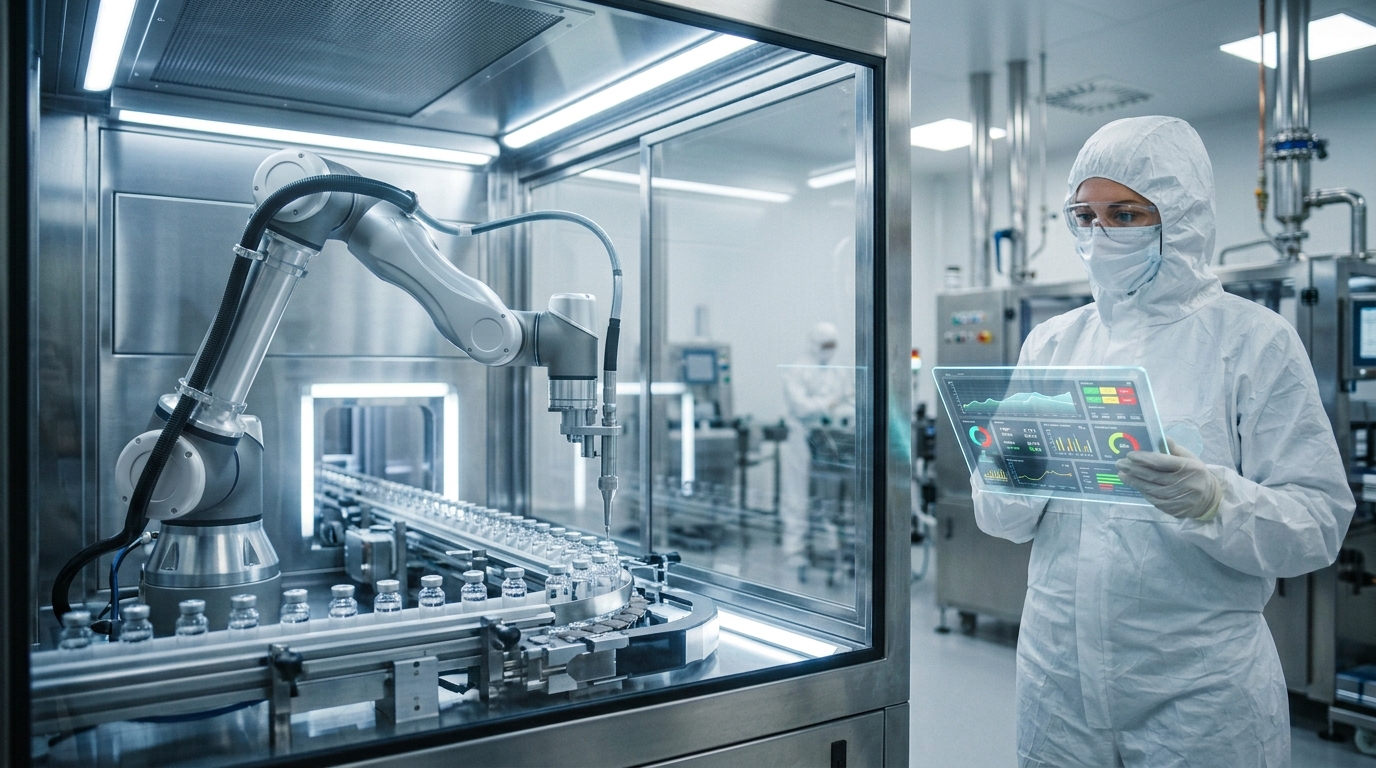
Sterility is the non-negotiable cornerstone of biologics manufacturing. It is no surprise that the majority of biologics FDA 483 observations originate in the cleanroom environment. Investigators in 2026 are particularly focused on the “human factor”—the interventions and behaviors of personnel during filling and finishing operations. Even in highly automated facilities, the interaction between staff and sterile equipment remains a high-risk area for citations.
- Inadequate Gowning: Investigators frequently cite firms for improper gowning techniques that expose skin or hair in Grade A zones.
- Media Fill Failures: If your media fills do not simulate the worst-case manufacturing conditions, the FDA will question your entire sterility assurance program.
- Airflow Visualization: A common finding is the lack of robust smoke studies that prove unidirectional airflow during dynamic operations.
- Environmental Monitoring (EM): Failure to investigate “out of limit” EM trends is a fast track to a regulatory citation.
Common Documentation Failures Found During FDA Inspections
Inadequate Investigation of Deviations and OOS Results
A recurring theme in the agency’s 2026 enforcement data is the failure of the Quality Unit to perform thorough root-cause investigations. During an audit, investigators look for biologics FDA 483 observations related to “lack of depth” in deviation reports. If a cell culture fails to meet its growth markers and the investigation simply concludes “biological variability” without further analysis, the FDA will view this as a lack of process control.
The agency expects to see a comprehensive investigation for every Out of Specification (OOS) result. This includes an evaluation of the equipment, the raw materials, and the analytical method itself. In 2026, the FDA is specifically looking for “CAPA Effectiveness”—evidence that your corrective actions actually prevented the problem from happening again.
What FDA Investigators Look for in Laboratory Records
Thought Leadership: Navigating High-Risk Biologics Compliance
Industry Perspective & Expert Analysis
In the 2026 biopharma sector, biologics FDA 483 observations serve as a critical warning signal for potential systemic collapse. For sponsors and CDMOs, these findings are not just “compliance notes”; they are indicators of manufacturing maturity. The business impact of a 483 citation in the biologics space is exponentially higher than in small molecules due to the sensitivity of the product and the long lead times for remediation. Strategic value lies in “Pre-emptive Compliance,” where firms use digital monitoring to catch deviations before they become formal audit observations.
Key Challenges & Future Opportunities
The primary challenge in 2026 is managing “Process Complexity at Scale.” As firms move toward personalized medicines and multi-product facilities, the risk of cross-contamination grows. However, this creates an opportunity for the adoption of “Single-Use Technologies” (SUT). By implementing disposable manufacturing components, firms can drastically reduce the likelihood of biologics FDA 483 observations related to cleaning validation and equipment maintenance.
Compliance Considerations for Decision-Makers
Leadership must recognize that a 483 is a “Management Failure” as much as a technical one. During an inspection, the FDA will ask for evidence of management review. They want to see that senior executives are aware of high-risk deviations and have provided the resources needed for facility upgrades. In 2026, the FDA is focusing on “Quality Culture”—the unspoken values that dictate how staff behave when a supervisor isn’t watching.
FDA Launches New “One-Day Inspectional Assessment” Program: What Industry Should Know
Data Integrity and Analytical Method Validation
Data is the lifeblood of biologics. From viral clearance studies to potency assays, every result must be verifiable. Investigators are increasingly citing biologics FDA 483 observations related to “orphaned data” and “unofficial testing.” If your laboratory personnel are running “trial samples” on an HPLC before the official test run, the FDA will view this as data manipulation.
- Audit Trails: Investigators will ask to see the electronic audit trails for every critical assay.
- Method Transfer: A common gap is the poor transfer of analytical methods from R&D to the commercial QC lab.
- Software Validation: In 2026, the agency expects all laboratory software to be fully validated and restricted with unique user access.
Why Contract Testing Laboratories Receive FDA Warning Letters
Viral Clearance and Adventitious Agent Control
For products derived from mammalian cell lines, viral safety is paramount. During a site visit, investigators will dig into your viral clearance studies to ensure they represent the commercial process. Biologics FDA 483 observations often occur when a firm fails to validate the “cleansing power” of their chromatography steps or virus-retentive filters.
The FDA expects a robust multi-layered approach to viral safety, including rigorous raw material screening and validated inactivation steps. Any change in the manufacturing process—such as a change in a buffer supplier—requires a re-evaluation of the viral safety profile. Failing to perform this impact assessment is a common trigger for regulatory enforcement in 2026.
Lessons from Recent FDA Warning Letters in Pharmaceutical Manufacturing
Conclusion: Building a Culture of Perpetual Readiness
The path to avoiding biologics FDA 483 observations requires a move away from “audit season” preparation toward a state of perpetual readiness. In the 2026 regulatory environment, the agency rewards firms that demonstrate deep technical understanding and a transparent quality culture. By addressing the core areas of aseptic control, deviation management, data integrity, and viral safety, biologics manufacturers can protect their product pipelines and ensure the consistent delivery of life-saving therapies to patients worldwide.
Frequently Asked Questions (FAQs)
1. What is the most common reason for a biologics FDA 483? The most frequent citations involve aseptic processing failures, specifically related to environmental monitoring and personnel behavior in cleanrooms.
2. How long do I have to respond to biologics FDA 483 observations? Firms must provide a detailed written response within 15 business days to avoid the observation escalating into a Warning Letter.
3. Does the FDA look at my viral clearance studies during every inspection? While they may not review every study every time, viral safety is a high-priority area that is scrutinized during almost all pre-approval and routine inspections.
4. Can a biologics facility be shut down after a 483? A 483 itself is not a shutdown order, but if the observations are serious and systemic (OAI status), the FDA can withhold approvals or issue an injunction.
5. How has 2026 changed the way the FDA reviews biologics data? The agency now uses advanced digital forensics to scan electronic audit trails for signs of data integrity breaches or “testing into compliance.”
6. What is “Quality Culture” in a biologics facility? It refers to the shared commitment of all employees—from the CEO to the janitor—to prioritize product quality over commercial deadlines.
References & Citations
- FDA Guidance for Industry – Sterile Drug Products Produced by Aseptic Processing: The definitive guide for maintaining sterility in biologics facilities.
- CBER Inspectional Observations Data (2025-2026): Public data showing the statistical breakdown of citations in the biologics sector.
- ICH Q5A(R2) Viral Safety Evaluation of Biotechnology Products: International standards for validating viral clearance in large-molecule manufacturing.
- FDA 21 CFR Part 600 – Biological Products General Standards:The legal framework governing the manufacturing and safety of biologics in the U.S.
- PDA Technical Report No. 13 – Fundamentals of an EM Program: Industry best practices for managing environmental monitoring in cleanroom suites.
Secure Your Biologics Success with Elite Compliance Strategies
The manufacturing complexities of 2026 demand a partner who understands the high stakes of FDA Inspection protocols. We help you eliminate the critical gaps that lead to biologics FDA 483 observations by providing the technical expertise and strategic oversight necessary to protect your commercial assets. Our platform bridges the gap between complex biological processes and regulatory expectations, ensuring that every batch meets the highest standards of purity and potency. Whether you are validating a new manufacturing suite or remediating a complex deviation, you can find the strategic guidance and expert solutions required to drive business success right here. Join us today to ensure your life-saving biologics reach the market with total integrity and regulatory confidence.