
Dietary Supplement Reserve Samples: Quantity, Storage and Retention
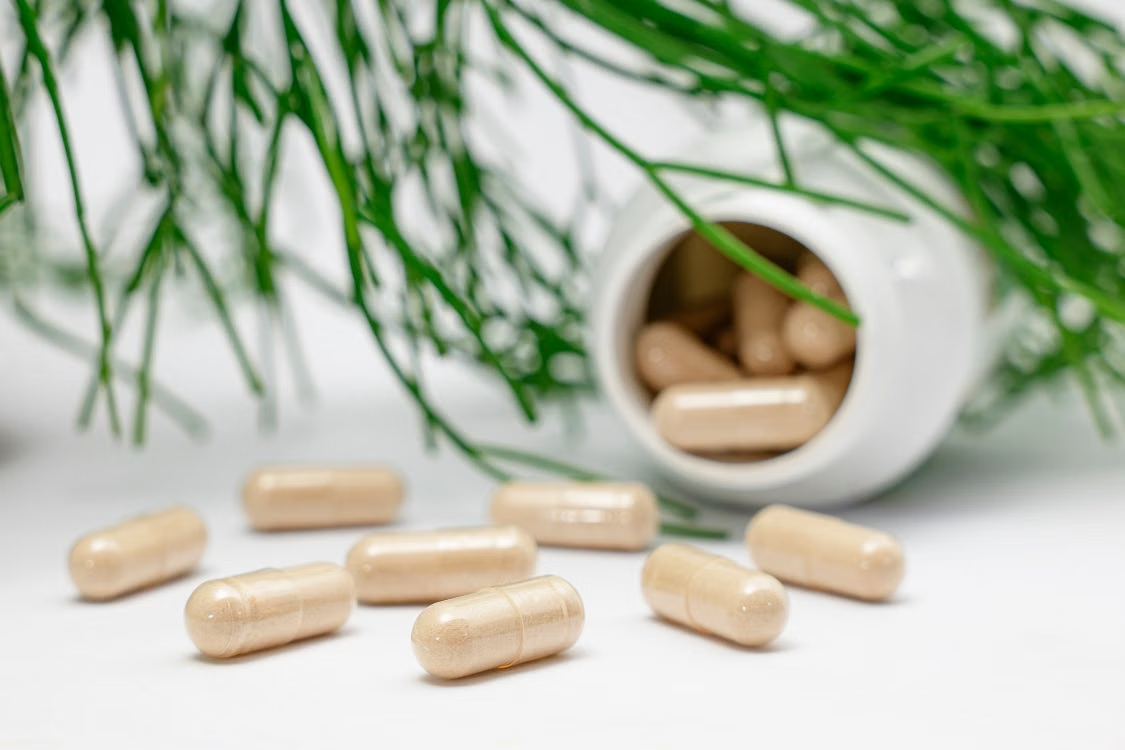
Part 111 requires reserve samples from each distributed lot of packaged and labeled dietary supplements. The quantity and retention rules depend on the regulatory criteria.
Start with the distributed packaged lot
Section 111.83 covers representative reserve samples of each lot of packaged and labeled dietary supplements distributed. FDA’s guide explains that this includes product packaged and labeled in bulk. Do not confuse these reserves with incoming-component samples or routine production test portions; the purposes and applicable provisions differ.
Plan quantity from the required work
The reserve quantity must be at least twice the amount needed for the tests or examinations used to determine whether the supplement meets product specifications. This is a regulatory quantity rule, not a universal number of bottles, capsules, or grams.
For a practical readiness check, ask the laboratory or qualified technical person to explain the sample requirement for the relevant methods. Connect that calculation to the amount retained. If methods or sample needs change, review the basis rather than keeping an unexplained fixed quantity.
Apply the actual holding requirements
The regulation requires identification with the batch, lot, or control number and addresses the container-closure system. Section 111.465 addresses holding conditions. The retention period is one year past the shelf-life date if shelf-life dating is used, or two years from distribution of the last associated batch, as specified in section 111.83.
Read the applicable provisions together. This guide does not invent a common storage temperature, permit disposal merely because a complaint closed, or substitute a contract laboratory’s normal retention policy for the manufacturer’s obligations.
Run a retrieval exercise
- Select a distributed lot and locate its identified reserve sample.
- Compare the retained quantity with the documented testing need.
- Confirm the packaging and storage basis.
- Find the date calculation supporting retention and planned disposal.
- Check access when a warehouse or outside laboratory holds the sample.
Make outsourced responsibilities explicit
As an operational suggestion, define who controls sample access, records storage conditions, authorizes testing, and approves disposal. An agreement can clarify tasks, but it does not change the applicable Part 111 requirements.
Related inspection resources
- CoA reliance and component identity
- Reprocessing and quality-control decisions
- Dietary supplement inspection consulting
Primary sources
Sources reviewed October 20, 2026. The preparation steps above are practical suggestions; the linked regulations and FDA documents define the applicable requirements.