
How FDA Investigators Inspect Pharmaceutical Water Systems
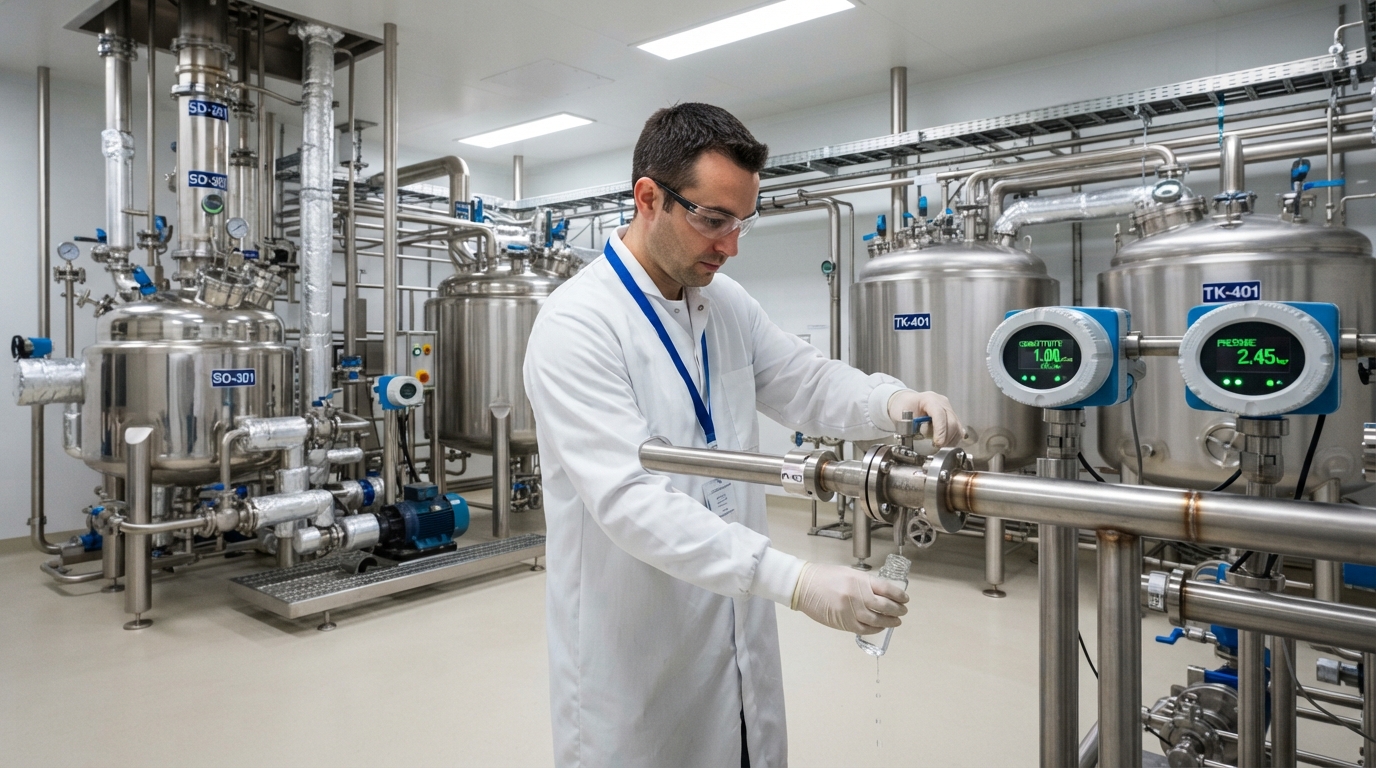
Operating a pharmaceutical processing facility, sterile fill suite, or biologics plant requires continuous high-purity water validation. Pharmaceutical water serves as the main excipient and cleaning medium across suites. When Consumer Safety Officers (CSOs) inspect utility rooms, they evaluate generation equipment, distribution loop hydraulics, and laboratory records. Preparing for an FDA water system inspection demands an active Quality Management System. Your team must defend daily bioburden counts, microbial excursion investigations, and sanitary maintenance logs.
Under 21 CFR Part 211 and official United States Pharmacopeia (USP) monographs, federal regulators enforce strict Current Good Manufacturing Practice (cGMP) standards. Investigators scrutinize whether your purified water and water for injection (WFI) systems operate in a validated state of control. Gaps in sampling regimens, uninvestigated endotoxin spikes, or unaddressed biofilm development trigger Form FDA 483 observations. Structuring utility programs around core federal expectations protects commercial batches and maintains regulatory standing.
1. Statutory Architecture: Engineering and Validation Baselines
Federal investigators evaluate water generation and distribution systems under statutory rules codified in 21 CFR Part 211.65 (Equipment Construction) and 21 CFR Part 211.67 (Equipment Cleaning and Maintenance). An FDA water system inspection begins by evaluating whether physical utility skids prevent back-siphonage, stagnant dead legs, and microbial contamination.
       ┌──────────────────────────────────────────────────────────┐
       │             HIGH-PURITY WATER UTILITY LIFECYCLE          │
       └────────────────────────────┬─────────────────────────────┘
                                    │
           ┌────────────────────────┴────────────────────────┐
           ▼                                                 ▼
┌──────────────────────────────────────┐  ┌──────────────────────────────────────┐
│       GENERATION SKID ENGINEERING    │  │       SANITARY DISTRIBUTION LOOP     │
│ - Multi-media filtration & softening │  │ - Continuous turbulent flow (>3 fps) │
│ - Reverse osmosis (RO) & EDI stages  │  │ - 316L stainless steel orbital welds │
│ - Multi-column distillation / ozone  │  │ - Zero dead legs (3D rule compliance)│
│ - Continuous online TOC/conductivity │  │ - Thermal sanitization (>80°C hot)   │
└──────────────────────────────────────┘  └──────────────────────────────────────┘
The agency expects facilities to maintain detailed Piping and Instrumentation Diagrams (P&IDs). Investigators trace physical stainless steel lines against printed schematics to ensure that physical sample points match engineering drawings.
Furthermore, investigators review validation master plans. The engineering team must demonstrate successful completion of Phase 1, Phase 2, and Phase 3 validation cycles, proving consistent microbial control across seasonal feedwater variations under official FDA Pharmaceutical Quality Resources (FDA.gov Direct Portal).
+---------------------------+-----------------------------------+-----------------------------------+
| System Parameter          | Purified Water (PW) Standard      | Water for Injection (WFI) Standard|
+---------------------------+-----------------------------------+-----------------------------------+
| Primary Generation Route  | RO / Electrodeionization (EDI)    | Multi-column distillation or RO   |
| Microbial Action Limit    | ≤ 100 CFU/mL                      | ≤ 10 CFU/100 mL                   |
| Bacterial Endotoxin Limit | Not routinely required for PW     | < 0.25 EU/mL                      |
| Distribution Temperature  | Ambient with periodic sanitization| Continuous hot circulation (>80°C)|
| Primary Use Scope         | Non-sterile oral drugs / cleaning | Sterile parenterals & biologics   |
+---------------------------+-----------------------------------+-----------------------------------+
Take Immediate Control of Your High-Purity Water Systems
Audit your WFI distribution loops, evaluate daily microbial sampling plans, and verify that your excursion CAPAs satisfy federal scrutiny.
2. The Inspection Sequence: How Investigators Audit High-Purity Utilities
Understanding the physical and documentary audit path helps your engineering and quality units manage investigator requests smoothly. An FDA water system inspection follows a structured sequence from mechanical utility audits to microbiological record reviews under statutory rules codified in 21 U.S. Code § 374 (Factory Inspection Authority).
Investigators review automated facility controls and electronic data systems during utility audits. You can explore modern agency review methods by reading our briefing on FDA Inspection Trends in 2026: Biologics, AI, Foreign Facilities, and Remote Assessments.
┌──────────────────┐     ┌──────────────────┐     ┌──────────────────┐     ┌──────────────────┐
│ P&ID Drawing     │ ──► │ Physical Utility │ ──► │ Microbiological  │ ──► │ Excursion CAPA   │
│ Reconciliation   │     │ Walkthrough Tour │     │ Trend Data Audit │     │ & 483 Review     │
└──────────────────┘     └──────────────────┘     └──────────────────┘     └──────────────────┘
Phase 1: Engineering P&ID Reconciliation
The investigator reviews master P&ID drawings in a conference room. The officer examines line slope, vent filter locations, pump capacities, and sample port designations across the entire loop layout.
Phase 2: Physical Utility Skid and Loop Walkthrough
The investigator walks the utility room to inspect the generation skid. Officers check for corrosion on reverse osmosis housings, verify calibration tags on temperature transmitters, and inspect sample valves for sanitary design.
Phase 3: Microbiological and Chemical Data Audit
The officer reviews laboratory logbooks covering Total Organic Carbon (TOC), conductivity, bioburden counts, and bacterial endotoxin assays. The investigator checks whether sampling frequencies follow the written validation plan.
Phase 4: Excursion Investigation and Maintenance Review
The investigator evaluates all instances where water test results exceeded alert or action levels. Officers review root-cause investigations, sanitization records, filter change-out logs, and associated product impact assessments.
To ensure your engineers and technicians communicate effectively during walkthrough interviews, explore our training manual on How to Prepare Employees for FDA Investigator Interviews.
3. Five Critical Vulnerabilities Investigators Scrutinize Most
Federal investigators concentrate their scrutiny on five high-risk operational domains during an FDA water system inspection. Structuring your facility maintenance and sampling program around these operational pillars ensures continuous readiness under federal law.
          FIVE CRITICAL PHARMA WATER AUDIT DOMAINS
 ┌─────────────────────────────────────────────────────────────────┐
 │ 1. SYSTEM HYDRAULICS, VELOCITY & DEAD LEGS                      │
 │    - Turbulent flow maintenance (>3 fps), dead-leg ratios       │
 ├─────────────────────────────────────────────────────────────────┤
 │ 2. REPRESENTATIVE POINT-OF-USE SAMPLING PLANS                   │
 │    - Rotational schedules, standard flushing vs. hose sampling  │
 ├─────────────────────────────────────────────────────────────────┤
 │ 3. MICROBIOLOGICAL & ENDOTOXIN EXCURSIONS                       │
 │    - Root-cause depth, species identification, product impact   │
 ├─────────────────────────────────────────────────────────────────┤
 │ 4. PREVENTATIVE MAINTENANCE & SANITIZATION LOGS                 │
 │    - RO membrane cleaning, UV lamp hours, vent filter testing   │
 ├─────────────────────────────────────────────────────────────────┤
 │ 5. DATA INTEGRITY OF ONLINE TOC & SENSOR CHARTS                 │
 │    - Calibration tag currency, electronic audit trails, alarms  │
 └─────────────────────────────────────────────────────────────────┘
Domain 1: Loop Hydraulics, Flow Velocity, and Dead Legs
Investigators inspect distribution loops to ensure continuous turbulent flow (typically exceeding 3 feet per second). Stagnant flow promotes biofilm formation. Officers inspect pipe drops to verify that dead legs comply with the strict 3D rule (branch length under three pipe diameters).
Domain 2: Daily Sampling Execution and Point-of-Use Protocols
Sampling procedures must mirror actual production use. Citations occur when technicians flush sample ports for 10 minutes before taking a test sample while production operators attach hoses without flushing. Investigators audit sample collection techniques, hold times, and incubation temperatures.
Domain 3: Excursion Investigations and Species Identification (21 CFR § 211.192)
When bioburden or endotoxin levels exceed action limits, quality units must conduct comprehensive investigations. Regulators expect facilities to identify recovered microorganisms to the species level (such as Ralstonia pickettii or Burkholderia cepacia) to trace contamination sources.
Domain 4: Preventative Maintenance and Component Change-Out Schedules
Investigators inspect maintenance logs for ultraviolet (UV) lamp replacements, reverse osmosis (RO) membrane cleaning, and hydrophobic vent filter integrity testing. Operating beyond validated replacement intervals indicates a weak preventive maintenance program.
Domain 5: Calibration and Data Integrity of In-Line Sensors
Continuous monitoring sensors for conductivity and Total Organic Carbon (TOC) must remain calibrated. Officers review electronic audit trails on control skids to confirm that operators did not silence or bypass system temperature and flow alarms.
To evaluate data integrity controls and electronic records during audit remediation, review our technical guide on Top FDA Data Integrity Violations in Pharmaceutical Manufacturing.
4. Key Insights: Strategic Implications for Sponsors, CDMOs, and Manufacturers
+---------------------------+-------------------------------------------------------------------+
| Strategic Business Domain | Executive Enterprise & Compliance Implication                     |
+---------------------------+-------------------------------------------------------------------+
| CDMO Governance           | Brand sponsors face direct product recalls for contractor WFI gaps|
| Commercial Continuity     | WFI bioburden excursions halt sterile filling lines immediately   |
| Capital Allocation        | Replacing aged piping and valves prevents chronic biofilm remediation|
| Quality System Integrity  | Species-level tracking identifies facility environmental vectors  |
+---------------------------+-------------------------------------------------------------------+
Mastering compliance under FDA water system inspection standards represents a vital operational priority for life sciences executives. For brand sponsors, contract development and manufacturing organizations (CDMOs), and biotech producers, utility validation directly affects enterprise valuation. Regulatory officers audit crossover facilities—such as operations manufacturing sterile parenterals, biologics, and advanced medical diagnostics—against strict cGMP standards under 21 CFR Part 211 (Finished Pharmaceuticals).
Managing third-party manufacturing partnerships presents acute operational vulnerabilities. When a CDMO experiences uninvestigated WFI bioburden spikes, the brand sponsor’s commercial batches face immediate quarantine. If the FDA uncovers biofilm colonization or unvalidated loop modifications at a contractor, authorities can halt product release across distribution networks.
The commercial impact of utility non-compliance is fast and severe. Unresolved water observations escalate to public Warning Letters, import alerts, and federal consent decrees. These public enforcement actions trigger batch rejections, product recalls, and multi-million-dollar utility redesign expenses.
       UNINVESTIGATED WFI BIOBURDEN EXCURSION
                         │
                         ▼
       FORM FDA 483 ISSUED WITH DATA INTEGRITY GAPS
                         │
                         ▼
       STERILE FILLING LINE SHUTDOWN & PRODUCT RECALL
                         │
                         ▼
 ┌───────────────────────────────────────────────────────────────┐
 │                   SEVERE ENTERPRISE IMPACT                    │
 │  - Commercial revenue loss from halted sterile fill lines     │
 │  - Supply contract cancellations by global commercial partners│
 │  - Multi-million dollar third-party facility remediation costs│
 └───────────────────────────────────────────────────────────────┘
Forward-thinking manufacturing leaders treat water system management as a high-priority quality process. Implementing automated continuous monitoring, predictive maintenance schedules, and robust excursion investigation protocols eliminates compliance blind spots. Conducting regular mock audits protects enterprise reputation, satisfies institutional buyers, and maintains uninterrupted operational access.
For an extensive review of active regulatory warning trends, consult our executive analysis of FDA Warning Letter Issued to Novo Nordisk Signals Expanding FDA Inspection Focus Beyond Traditional GMP Operations.
5. What Recent Warning Letters Reveal About High-Purity Water Failures
Recent federal enforcement data illustrates that inadequate bioburden investigations and deficient loop maintenance continue to drive agency citations. Regulators penalize facilities that treat water excursions as isolated laboratory errors.
A review of recent actions on the official FDA Warning Letters Master Directory shows recurring utility violations:
- Failing to investigate microbial action limit excursions in WFI distribution loops (21 CFR § 211.192).
- Releasing sterile drug products manufactured with high-purity water containing objectionable Gram-negative bacteria.
- Operating distribution loops with unvalidated dead legs exceeding established engineering ratios.
- Inadequate routine sanitization procedures leading to established biofilm colonies in storage tanks.
Distribution of Recurring Citations in Water System Warning Letters:
1. Inadequate microbial / endotoxin excursion investigations .. 41%
2. Sanitary loop design deficiencies & excessive dead legs .... 27%
3. Non-representative sampling & hose management gaps ........ 19%
4. Expired calibration & sensor data integrity anomalies ...... 13%
To review specific operational themes shaping biological manufacturing oversight, explore our guide on FDA Inspection Preparation for Biologics Manufacturers.
6. Actionable Blueprint: How to Build an Audit-Ready Water System
Establishing an inspection-ready utility program requires a disciplined, repeatable operational framework. Following a structured roadmap ensures your engineering and quality teams master an FDA water system inspection with technical precision.
┌────────────────────────────────────────────────────────────────────────┐
│               FOUR-PHASE WATER SYSTEM READINESS BLUEPRINT              │
├────────────────────────────────────────────────────────────────────────┤
│  PHASE 1: ENGINEERING & P&ID DRAWING VERIFICATION                     │
│  - Walk the physical loop and verify dead-leg compliance with P&IDs.   │
├────────────────────────────────────────────────────────────────────────┤
│  PHASE 2: SAMPLING PROTOCOL & POU ALIGNMENT                            │
│  - Align QC sampling flush times with actual production operations.    │
├────────────────────────────────────────────────────────────────────────┤
│  PHASE 3: EXCURSION CAPA & BIOFILM TRENDING                            │
│  - Perform species-level microbial tracking and evaluate lot impact.   │
├────────────────────────────────────────────────────────────────────────┤
│  PHASE 4: PREVENTIVE MAINTENANCE & CALIBRATION AUDIT                   │
│  - Audit UV lamps, vent filter tests, and in-line TOC sensor logs.     │
└────────────────────────────────────────────────────────────────────────┘
Actionable Implementation Protocols
- Audit Physical Piping Against P&IDs: Walk every inch of the distribution loop to confirm that physical valves match engineering drawings.
- Standardize Point-of-Use Sampling: Ensure quality control sampling protocols replicate actual manufacturing hose connections and flush procedures.
- Identify Microorganisms to Species Level: Require laboratory analysts to identify all isolates recovered from high-purity systems to species level.
- Enforce Strict Preventative Maintenance: Replace RO membranes, cartridge filters, and UV lamps according to validated operating hours rather than after failure.
- Perform Regular Loop Thermal Sanitization: Maintain continuous hot circulation (>80°C) or execute validated periodic clean steam / ozonation cycles.
To understand broader inspectional workflows across pharmaceutical facilities, explore our companion analysis on How FDA Investigators Conduct GMP Inspections and our practical manual on FDA Inspection Readiness for Pharmaceutical Manufacturers. Additionally, review our guide on The 15-Day Rule: Responding to FDA Form 483 Observations to ensure your team is prepared for post-inspection milestones.
7. Conclusion
Successfully navigating an FDA water system inspection requires an active Quality Management System that connects engineering design with microbiological oversight. High-purity water utilities represent the operational backbone of pharmaceutical and biotech manufacturing suites. By auditing P&ID drawings, maintaining representative sampling plans, and conducting thorough excursion investigations, your facility establishes a defensible state of control. Proactive utility management protects your commercial product pipeline, maintains institutional buyer trust, and ensures seamless compliance during an unannounced regulatory audit.
🛡️ Protect Your Plant Against Disruptive Inspection Citations
Audit your WFI distribution loops, evaluate daily microbial sampling plans, and verify that your excursion CAPAs satisfy federal scrutiny.
Frequently Asked Questions (FAQs)
What is the most common citation during an FDA water system inspection?
The most frequent violation involves failing to conduct thorough, scientifically sound investigations into microbial and endotoxin action limit excursions under 21 CFR § 211.192.
What is the acceptable microbial limit for Water for Injection (WFI)?
Under USP standards, WFI must meet an action limit of ≤ 10 CFU/100 mL and a bacterial endotoxin limit of < 0.25 EU/mL.
What is the “3D rule” in pharmaceutical piping design?
The 3D rule requires that the length of any non-flowing branch or dead leg on a sanitary piping loop must not exceed three pipe diameters from the centerline of the main distribution pipe.
Can an FDA investigator request raw water test results from incoming municipal supplies?
Yes. Investigators routinely audit municipal feedwater test logs to evaluate seasonal variability and verify pre-treatment filtration effectiveness.
How often should pharmaceutical water points of use be sampled?
Facilities must sample critical WFI points of use daily or on days of use, with all loop drops sampled across a validated rotational schedule.
What is the difference between an alert level and an action level?
An alert level serves as an early warning threshold indicating potential system drift. An action level requires immediate documented investigation, sanitization, and product impact assessment.
Primary References & Regulatory Authorities
- U.S. Food and Drug Administration (FDA) — 21 CFR Part 211: Current Good Manufacturing Practice for Finished Pharmaceuticals The federal statutory standard governing pharmaceutical equipment design, sanitary maintenance, and laboratory controls.
- U.S. Food and Drug Administration (FDA) — Guide to Inspections of High Purity Water Systems The official federal inspection guide detailing investigator evaluation criteria for pharmaceutical water generation, storage, and distribution.
- U.S. Code of Federal Regulations — 21 U.S. Code § 374: Factory Inspection Authority The statutory federal law governing FDA investigator access, utility evaluation, and sample collection authority.
- United States Pharmacopeia (USP) — USP General Chapter <1231>: Water for Pharmaceutical Purposes The compendial standard establishing chemical, microbiological, and physical specifications for pharmaceutical water grades.
- FDA Center for Drug Evaluation and Research (CDER) — Pharmaceutical Quality Resources Directory Official repository providing ongoing policy updates, technical guidance, and cGMP compliance frameworks across drug manufacturing utilities.