
FDA Data Integrity Inspection: Questions Investigators May Ask Your Laboratory
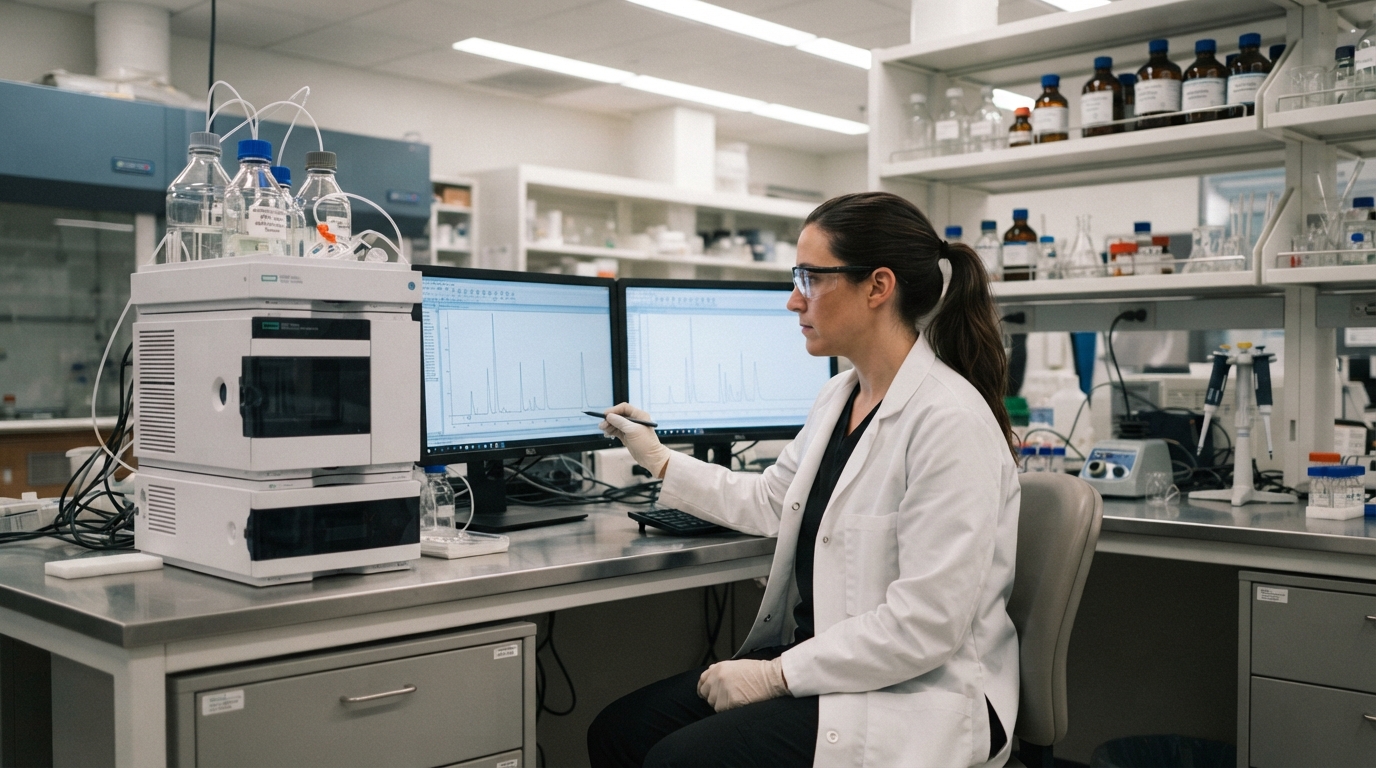
Operating a pharmaceutical quality control laboratory requires unwavering commitment to analytical accuracy and electronic record governance. Data reliability forms the absolute foundation of product safety and efficacy determinations. When Consumer Safety Officers (CSOs) arrive for an FDA data integrity inspection, they examine computer system audit trails, instrument access controls, and raw data files. Preparing for this rigorous evaluation demands an active Quality Management System that can defend every analytical result generated across your testing suites.
Under 21 CFR Part 11, 21 CFR Part 211, and official regulatory guidance, federal authorities hold laboratory leadership strictly accountable for electronic records. Investigators scrutinize whether your chromatography data software, spectrophotometers, and analytical balances prevent unauthorized data deletion or test re-injection. Gaps in audit trail reviews, shared login credentials, or uninvestigated sample re-runs trigger immediate Form FDA 483 observations and public Warning Letters. Structuring your laboratory programs around core federal expectations protects commercial batches and maintains regulatory standing.
1. Statutory Architecture: Electronic Records and Laboratory Baselines
Federal investigators evaluate laboratory data governance under statutory rules codified in 21 CFR Part 11 (Electronic Records; Electronic Signatures), 21 CFR Part 211.68 (Automatic, Mechanical, and Electronic Equipment), and 21 CFR Part 211.194 (Laboratory Records). An FDA data integrity inspection begins by verifying whether your computerized testing systems comply with ALCOA+ data quality principles.
       ┌──────────────────────────────────────────────────────────┐
       │             ALCOA+ DATA INTEGRITY FRAMEWORK              │
       └────────────────────────────┬─────────────────────────────┘
                                    │
           ┌────────────────────────┴────────────────────────┐
           ▼                                                 ▼
┌──────────────────────────────────────┐  ┌──────────────────────────────────────┐
│       CORE ALCOA PRINCIPLES          │  │       ADVANCED (+) STANDARDS         │
│ - Attributable to the specific user  │  │ - Contemporaneous recording of data  │
│ - Legible and permanent records      │  │ - Original data files preserved      │
│ - Accurate analytical calculations   │  │ - Complete audit trails enabled      │
└──────────────────────────────────────┘  └──────────────────────────────────────┘
The agency expects facilities to maintain unalterable electronic audit trails across all analytical instrumentation. Investigators trace analytical test results from instrument worklists back to raw data files to confirm that no test runs were deleted or re-injected without justification.
Furthermore, investigators review system access controls. The laboratory management team must demonstrate that analyst accounts are individually assigned and that administrator privileges are restricted under official FDA Pharmaceutical Quality Resources (FDA.gov Direct Portal).
+---------------------------+-----------------------------------+-----------------------------------+
| Laboratory Control Area   | Deficient Industry Practice       | Compliant Regulatory Standard     |
+---------------------------+-----------------------------------+-----------------------------------+
| User Account Management   | Sharing generic analyst logins    | Individual unique user credentials|
| Audit Trail Review        | Ignoring automated audit logs     | Routine documented quality review |
| Out-of-Specification (OOS)| Disregarding invalid initial runs | Formal Phase 1 laboratory triage  |
| Raw Data Archival         | Storing files on local hard drives| Automated central server backup   |
+---------------------------+-----------------------------------+-----------------------------------+
Take Immediate Control of Your Laboratory Data Systems
Audit your chromatography audit trails, evaluate analyst access privileges, and verify that your OOS investigations satisfy federal scrutiny.
2. The Inspection Sequence: How Investigators Audit Laboratory Data
Understanding the physical and digital audit path helps your quality and laboratory units manage investigator requests smoothly. An FDA data integrity inspection follows a structured sequence from software configuration reviews to raw data extraction audits under statutory rules codified in 21 U.S. Code § 374 (Factory Inspection Authority).
Investigators review computerized laboratory systems and electronic data trees during audits. You can explore modern agency review methods by reading our briefing on FDA Inspection Trends in 2026: Biologics, AI, Foreign Facilities, and Remote Assessments.
┌──────────────────┐     ┌──────────────────┐     ┌──────────────────┐     ┌──────────────────┐
│ System Config &  │ ──► │ Audit Trail &    │ ──► │ OOS Investigation│ ──► │ Raw Data & 483   │
│ User Privilege   │     │ Logbook Review   │     │ & Re-Test Audit  │     │ Defense Review   │
└──────────────────┘     └──────────────────┘     └──────────────────┘     └──────────────────┘
Phase 1: Software Configuration and User Privilege Audit
The investigator reviews software settings on chromatography data systems (CDS) and laboratory balances. The officer verifies user access levels to ensure analysts cannot alter integration parameters or delete raw files.
Phase 2: Audit Trail and Electronic Logbook Review
The investigator evaluates system audit trails to check for deleted files, modified integration methods, or altered timestamps. Officers verify that quality personnel review these logs routinely.
Phase 3: Out-of-Specification (OOS) and Re-Test Audit
The officer examines laboratory investigation files for failed test results. Investigators check whether initial test failures were dismissed prematurely without documented laboratory error.
Phase 4: Raw Data Extraction and Worklist Reconciliation
The investigator selects specific analytical runs and requests raw data files from central servers to confirm that electronic records match paper certificates of analysis.
To ensure your analysts and lab managers communicate effectively during audit interviews, explore our training manual on How to Prepare Employees for FDA Investigator Interviews.
3. Five Critical Questions Investigators Ask Your Laboratory
Federal investigators concentrate their scrutiny on five high-risk operational questions during an FDA data integrity inspection. Structuring your laboratory controls and electronic governance around these core inquiries ensures continuous readiness under federal law.
          FIVE CRITICAL LABORATORY AUDIT QUESTIONS
 ┌─────────────────────────────────────────────────────────────────┐
 │ 1. ARE ALL ANALYTICAL RUNS CAPTURED IN UNALTERABLE AUDIT TRAILS?│
 │    - System log verification, deletion tracking, method checks  │
 ├─────────────────────────────────────────────────────────────────┤
 │ 2. HOW DO YOU PREVENT USERS FROM ALTERING INTEGRATION PARAMETERS│
 │    - Manual integration controls, supervisor approval workflows │
 ├─────────────────────────────────────────────────────────────────┤
 │ 3. ARE ALL LABORATORY INSTRUMENTS LINKED TO UNIQUE USER LOGINS?│
 │    - Individual credentials, elimination of generic accounts    │
 ├─────────────────────────────────────────────────────────────────┤
 │ 4. WHAT TRIGGERS A FORMAL OUT-OF-SPECIFICATION INVESTIGATION?   │
 │    - Phase 1 laboratory triage, re-testing protocols, invalid runs│
 ├─────────────────────────────────────────────────────────────────┤
 │ 5. HOW ARE RAW ELECTRONIC DATA FILES BACKED UP AND SECURED?     │
 │    - Centralized server storage, disaster recovery validation   │
 └─────────────────────────────────────────────────────────────────┘
Question 1: Are all analytical runs captured in unalterable audit trails?
Investigators demand proof that software configuration prevents users from disabling audit trails. Officers inspect system settings to confirm that every file creation, modification, and deletion is permanently recorded.
Question 2: How do you prevent users from altering integration parameters?
Manual integration of chromatography peaks represents a primary regulatory risk. Regulators expect strict procedural controls, supervisory review, and documented scientific justification for any manual baseline adjustments.
Question 3: Are all laboratory instruments linked to unique user logins?
Using generic or shared instrument logins violates 21 CFR Part 11. Every analyst must access balances, titrators, and chromatographs using individual credentials that attribute work accurately.
Question 4: What triggers a formal out-of-specification (OOS) investigation?
When an analytical result falls outside established specifications, analysts cannot simply re-test the sample and discard the initial failure. Laboratories must conduct a formal Phase 1 investigation to identify laboratory error before re-testing.
Question 5: How are raw electronic data files backed up and secured?
Storing analytical data on local instrument workstations is unacceptable. Laboratories must maintain automated, validated backups to secure central servers with restricted access.
To evaluate electronic record compliance during audit remediation, review our technical guide on Top FDA Data Integrity Violations in Pharmaceutical Manufacturing.
4. Key Insights: Strategic Implications for Sponsors, CDMOs, and Manufacturers
+---------------------------+-----------------------------------+-----------------------------------+
| Strategic Business Domain | Executive Enterprise & Compliance Implication                     |
+---------------------------+-----------------------------------+-----------------------------------+
| CDMO Oversight            | Brand sponsors face product holds if contractor lab data is flawed|
| Commercial Continuity     | Data integrity citations halt product release and regulatory filings|
| Capital Allocation        | Upgrading computerized systems to Part 11 compliance prevents fines |
| Quality System Integrity  | Rigorous audit trail reviews maintain analytical trustworthiness  |
+---------------------------+-----------------------------------+-----------------------------------+
Mastering compliance under FDA data integrity inspection standards represents a vital operational priority for life sciences executives. For brand sponsors, contract development and manufacturing organizations (CDMOs), and biotech producers, laboratory data reliability directly affects enterprise valuation. Regulatory officers audit crossover facilities—such as operations manufacturing sterile drugs, biologics, and medical devices—against strict cGMP standards under 21 CFR Part 211 (Finished Pharmaceuticals).
Managing third-party testing laboratories presents acute operational vulnerabilities. When a contract laboratory maintains weak electronic controls, the brand sponsor’s commercial batches face immediate quarantine. If the FDA uncovers audit trail deletions or unvalidated software at a testing partner, authorities can halt product release across distribution networks.
The commercial impact of data integrity non-compliance is fast and severe. Unresolved laboratory observations escalate to public Warning Letters, import alerts, and federal consent decrees. These public enforcement actions trigger batch rejections, product recalls, and multi-million-dollar remediation expenses.
       UNINVESTIGATED AUDIT TRAIL DELETION
                         │
                         ▼
       FORM FDA 483 ISSUED WITH DATA INTEGRITY GAPS
                         │
                         ▼
       WARNING LETTER & PRODUCT DISTRIBUTION HOLD
                         │
                         ▼
 ┌───────────────────────────────────────────────────────────────┐
 │                   SEVERE ENTERPRISE IMPACT                    │
 │  - Commercial revenue loss from halted product releases       │
 │  - Supply contract cancellations by global commercial partners│
 │  - Multi-million dollar third-party facility remediation costs│
 └───────────────────────────────────────────────────────────────┘
Forward-thinking manufacturing leaders treat laboratory data governance as a high-priority business process. Implementing automated digital audit trail reviews, robust analyst training, and validated electronic data archiving eliminates compliance blind spots. Conducting regular mock audits protects enterprise reputation, satisfies institutional buyers, and maintains uninterrupted operational access.
For an extensive review of active regulatory warning trends, consult our executive analysis of FDA Warning Letter Issued to Novo Nordisk Signals Expanding FDA Inspection Focus Beyond Traditional GMP Operations.
5. What Recent Warning Letters Reveal About Laboratory Failures
Recent federal enforcement data illustrates that audit trail deficiencies and uninvestigated OOS results continue to drive agency citations. Regulators penalize facilities that treat electronic data errors as minor software glitches.
A review of recent actions on the official FDA Warning Letters Master Directory shows recurring laboratory data violations:
- Failing to ensure that laboratory computers incorporate adequate controls to prevent unauthorized data deletion (21 CFR § 211.68).
- Disregarding out-of-specification test results without conducting formal Phase 1 laboratory investigations (21 CFR § 211.192).
- Failing to maintain complete data derived from all laboratory tests conducted to ensure compliance with established specifications (21 CFR § 211.194).
- Permitting analysts to use shared login accounts on computerized analytical instruments.
Distribution of Recurring Citations in Laboratory Data Warning Letters:
1. Inadequate electronic audit trail reviews & disabled logs ..... 42%
2. Disregarding out-of-specification (OOS) results without triage 28%
3. Shared analyst logins & weak instrument access controls ....... 18%
4. Incomplete raw data archival & unvalidated local backups ..... 12%
To review specific operational themes shaping biological manufacturing oversight, explore our guide on FDA Inspection Preparation for Biologics Manufacturers.
6. Actionable Blueprint: How to Build an Audit-Ready Laboratory
Establishing an inspection-ready laboratory program requires a disciplined, repeatable operational framework. Following a structured roadmap ensures your quality team masters an FDA data integrity inspection with technical precision.
┌────────────────────────────────────────────────────────────────────────┐
│               FOUR-PHASE LABORATORY READINESS BLUEPRINT                │
├────────────────────────────────────────────────────────────────────────┤
│  PHASE 1: COMPUTERIZED SYSTEM & AUDIT TRAIL AUDIT                      │
│  - Verify Part 11 compliance and ensure audit trails cannot be disabled.│
├────────────────────────────────────────────────────────────────────────┤
│  PHASE 2: ACCESS CONTROL & UNIQUE LOGIN ENFORCEMENT                    │
│  - Eliminate shared accounts and map individual analyst privileges.    │
├────────────────────────────────────────────────────────────────────────┤
│  PHASE 3: OOS INVESTIGATION & MANUAL INTEGRATION REVIEW                │
│  - Enforce Phase 1 laboratory triage and review peak integration logs. │
├────────────────────────────────────────────────────────────────────────┤
│  PHASE 4: AUTOMATED BACKUP & INDEPENDENT MOCK AUDIT                    │
│  - Validate central server backups and retain third-party audit experts.│
└────────────────────────────────────────────────────────────────────────┘
Actionable Implementation Protocols
- Lock Computer Audit Trails: Ensure system administrators cannot disable audit trails on chromatography data systems or laboratory balances.
- Enforce Unique User Logins: Eliminate generic or shared instrument accounts, ensuring every analyst logs in with verified credentials.
- Review Manual Integration Logs: Establish routine quality reviews of all manual peak integrations to verify scientific justification.
- Standardize OOS Triage: Require formal Phase 1 investigations for every out-of-specification result before authorizing sample re-testing.
- Validate Central Data Backups: Implement automated, secure electronic backups to protect raw data files from local workstation corruption.
To understand broader inspectional workflows across pharmaceutical facilities, explore our companion analysis on How FDA Investigators Conduct GMP Inspections and our practical manual on FDA Inspection Readiness for Pharmaceutical Manufacturers. Additionally, review our guide on The 15-Day Rule: Responding to FDA Form 483 Observations to ensure your team is prepared for post-inspection milestones.
7. Conclusion
Successfully navigating an FDA data integrity inspection requires an active Quality Management System that connects software security with analytical rigor. Laboratory data reliability represents the core evidence supporting drug safety and efficacy determinations. By locking electronic audit trails, enforcing unique user credentials, and conducting thorough OOS investigations, your facility establishes a defensible state of control. Proactive laboratory governance protects your commercial product pipeline, maintains institutional buyer trust, and ensures seamless compliance during an unannounced regulatory audit.
🛡️ Protect Your Plant Against Disruptive Inspection Citations
Audit your chromatography audit trails, evaluate analyst access privileges, and verify that your OOS investigations satisfy federal scrutiny.
Frequently Asked Questions (FAQs)
What is the most common citation during an FDA data integrity inspection?
The most frequent violation involves failing to review electronic audit trails and permitting disabled audit log functions on computerized laboratory instruments under 21 CFR § 211.68.
What does ALCOA+ stand for in data integrity compliance?
ALCOA+ stands for Attributable, Legible, Contemporaneous, Original, Accurate, complete, consistent, enduring, and available.
Can a laboratory analyst re-test a sample after an initial failure?
An analyst can only re-test a sample after completing a formal Phase 1 laboratory investigation that identifies a documented, assignable laboratory error.
Why are shared instrument logins prohibited by the FDA?
Shared logins prevent the quality unit from attributing specific analytical work to a particular analyst, violating 21 CFR Part 11 attribution requirements.
How often should electronic audit trails be reviewed?
Quality assurance personnel should review electronic audit trails on a routine, scheduled basis (such as monthly or per batch release cycle) as part of data verification.
What is manual integration in chromatography?
Manual integration involves an analyst overriding automated software baselines to calculate peak areas, which requires strict procedural control and justification.
Primary References & Regulatory Authorities
- U.S. Food and Drug Administration (FDA) — 21 CFR Part 11: Electronic Records; Electronic Signatures The federal statutory standard governing computerized systems, electronic records, and audit trail requirements.
- U.S. Food and Drug Administration (FDA) — Data Integrity and Compliance With Drug CGMP: Questions and Answers Guidance for Industry The official federal guidance detailing investigator evaluation criteria for electronic records, audit trails, and data governance.
- U.S. Code of Federal Regulations — 21 U.S. Code § 374: Factory Inspection Authority The statutory federal law governing FDA investigator access, laboratory record review, and sample collection authority.
- U.S. Food and Drug Administration (FDA) — 21 CFR Part 211: Current Good Manufacturing Practice for Finished Pharmaceuticals The federal statutory standard governing laboratory controls, equipment construction, and batch record reviews.
- FDA Center for Drug Evaluation and Research (CDER) — Pharmaceutical Quality Resources Directory Official repository providing ongoing policy updates, technical guidance, and cGMP compliance frameworks across drug manufacturing utilities.