
What Documents Can FDA Request During an Inspection? A Readiness Guide
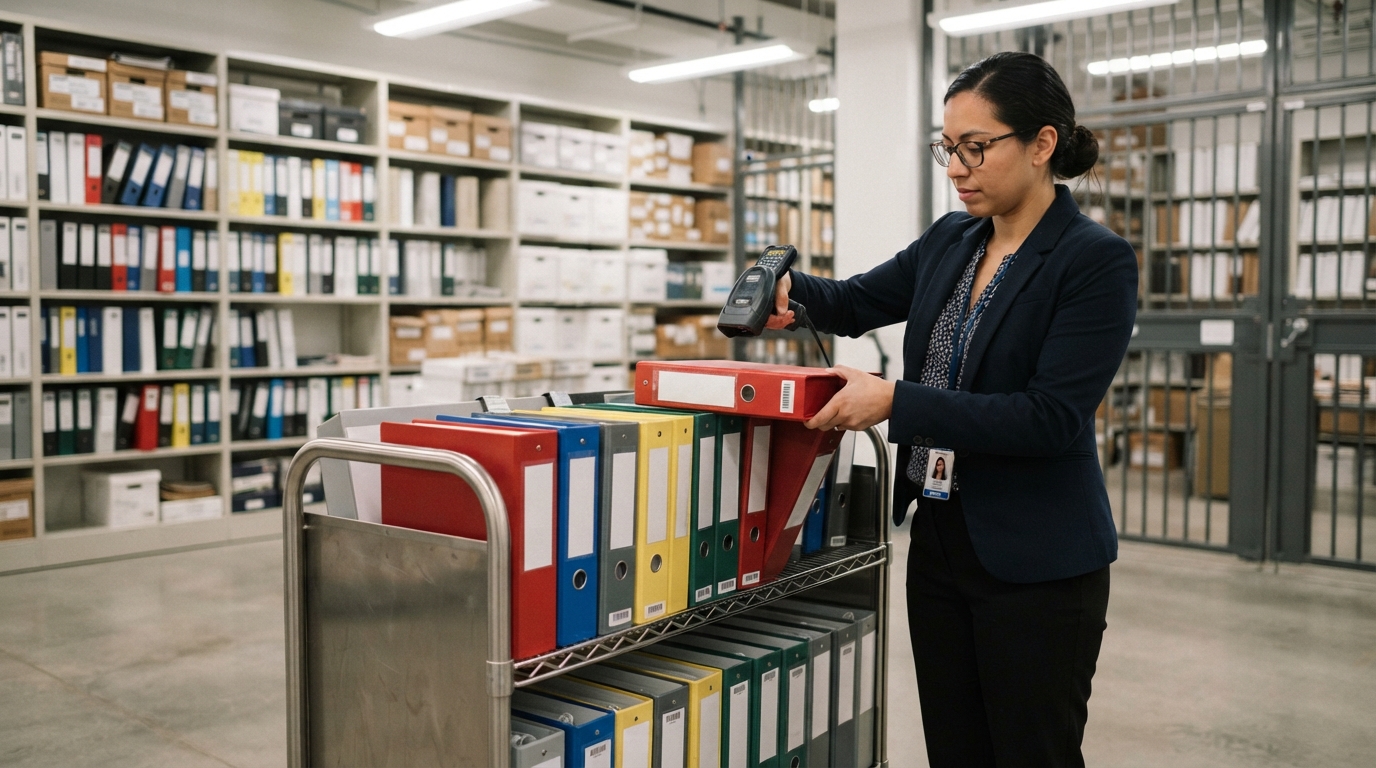
Navigating an unannounced regulatory audit requires absolute preparedness, especially when managing sudden document demands. When Consumer Safety Officers (CSOs) walk through your reception doors, they immediately issue a Notice of Inspection and begin requesting critical operational records. Knowing beforehand what records regulators typically examine allows your quality team to streamline document retrieval. Mastering FDA inspection document requests protects your commercial manufacturing plant, biologics suite, or medical device facility from disruptive Form FDA 483 citations.
Under Section 704 of the Federal Food, Drug, and Cosmetic Act, the agency holds broad legal authority to inspect manufacturing facilities and review quality records. Investigators routinely audit batch production logs, validation reports, deviation files, and standard operating procedures. Gaps in record organization, missing signatures, or slow retrieval speeds signal a disorganized quality system to federal officials. Structuring your document control processes around core regulatory expectations protects your operations and ensures audit readiness.
1. Statutory Architecture: Legal Authority and Record Access
Federal investigators exercise broad statutory powers when demanding operational records during an audit. Understanding the legal scope of FDA inspection document requests ensures your management team responds with professional compliance under official FDA Inspections, Compliance, and Criminal Investigations Guidance (FDA.gov Direct Portal).
       ┌──────────────────────────────────────────────────────────┐
       │             STATUTORY RECORD ACCESS SCOPE                │
       └────────────────────────────┬─────────────────────────────┘
                                    │
           ┌────────────────────────┴────────────────────────┐
           ▼                                                 ▼
┌────────────────______________________┐  ┌──────────────────────────────────────┐
│       MANDATORY STATUTORY RECORDS    │  │       EXEMPT FROM MANDATORY ACCESS   │
│ - Batch production & control records │  │ - Financial and sales data           │
│ - Master Manufacturing Records (MMR) │  │ - Pricing and profit margins         │
│ - Quality control laboratory data    │  │ - Detailed personnel salary records  │
│ - Validation & equipment logs        │  │ - Unrelated internal audit research  │
└──────────────────────────────────────┘  └──────────────────────────────────────┘
The statute grants investigators access to all records, files, papers, and controls required under Current Good Manufacturing Practice (cGMP) regulations. However, federal law protects certain proprietary business data, such as financial records, pricing models, and personnel salaries, from mandatory agency inspection.
Quality leadership must establish clear protocols to differentiate between mandatory cGMP records and protected corporate data. Ensuring that your back-room war room team understands these statutory boundaries prevents accidental over-disclosure during high-pressure audits.
+---------------------------+-----------------------------------+-----------------------------------+
| Record Category           | Statutory Access Status           | Primary Regulatory Reference      |
+---------------------------+-----------------------------------+-----------------------------------+
| Batch Production Records  | Mandatory Access Required         | 21 CFR Part 211 Subpart J         |
| Standard Operating Procedures| Mandatory Access Required      | 21 CFR Part 211.100               |
| Laboratory Test Data      | Mandatory Access Required         | 21 CFR Part 211.194               |
| Financial & Pricing Data  | Protected / Exempt from Access    | Section 704 of FD&C Act           |
+---------------------------+-----------------------------------+-----------------------------------+
Take Immediate Control of Your Document Control Systems
Audit your quality archives, test your document retrieval speed, and verify that your archival records satisfy federal scrutiny.
2. The Core Document Checklist: What Investigators Demand First
During the opening hours of an audit, investigators request a standardized package of overarching quality documents. Managing FDA inspection document requests smoothly requires pre-staging these foundational files in a secure electronic repository.
Investigators review electronic document management systems closely during audits. You can explore modern agency review methods by reading our briefing on FDA Inspection Trends in 2026: Biologics, AI, Foreign Facilities, and Remote Assessments.
┌──────────────────┐     ┌──────────────────┐     ┌──────────────────┐     ┌──────────────────┐
│ Site Master Plan │ ──► │ Organizational   │ ──► │ Master Equipment │ ──► │ Annual Product   │
│ & Facility Layout│     │ Chart & Signatures│     │ & Calibration Log│     │ Quality Reviews  │
└──────────────────┘     └──────────────────┘     └──────────────────┘     └──────────────────┘
1. Site Master Plan (SMP) and Facility Layouts
The Site Master Plan provides investigators with a comprehensive overview of plant operations, manufacturing capacities, cleanroom classifications, and water system schematics.
2. Organizational Charts and Quality Signatures
Investigators examine organizational charts to verify that the Quality Unit maintains independent authority, reporting directly to executive management without operational interference.
3. Master Equipment List and Calibration Status
Officers request the master equipment inventory to verify that all manufacturing vessels, balances, and analytical instruments possess active calibration tags.
4. Annual Product Quality Reviews (APQRs)
APQRs demonstrate ongoing statistical control across commercial product lines, summarizing yield trends, deviation frequencies, and stability data from the preceding year.
To ensure your documentation staff communicates effectively during audits, explore our training manual on How to Prepare Employees for FDA Investigator Interviews.
3. Four Critical Record Categories Examined During Facility Tours
As investigators move from the conference room onto the manufacturing floor, their document demands become highly specific. Responding efficiently to FDA inspection document requests requires instant access to records associated with active processing suites.
          FOUR CRITICAL FLOOR-LEVEL RECORD DOMAINS
 ┌─────────────────────────────────────────────────────────────────┐
 │ 1. BATCH PRODUCTION & CONTROL RECORDS (BPRs / MMRs)             │
 │    - Yield calculations, weight verifications, equipment logs   │
 ├─────────────────────────────────────────────────────────────────┤
 │ 2. LABORATORY CONTROL DATA & CHROMATOGRAPHY LOGS                │
 │    - Raw assay data, OOS investigations, audit trail reviews     │
 ├─────────────────────────────────────────────────────────────────┤
 │ 3. DEVIATION, NON-CONFORMANCE & CAPA FILES                      │
 │    - Root-cause depth, containment holds, effectiveness checks   │
 ├─────────────────────────────────────────────────────────────────┤
 │ 4. EQUIPMENT CLEANING & HVAC VALIDATION LOGS                    │
 │    - CIP validation reports, HEPA filter certifications, P&IDs   │
 └─────────────────────────────────────────────────────────────────┘
Category 1: Batch Production and Control Records (BPRs)
Investigators select representative executed batch records for commercial products currently on the market or in distribution. Officers verify line clearances, weight reconciliations, component lot numbers, and operator signatures.
Category 2: Laboratory Control Data and OOS Reports
Officers inspect raw analytical testing files, instrument worklists, and chromatography integration logs. Any out-of-specification result requires a rigorous Phase 1 laboratory investigation file.
Category 3: Deviation and CAPA Files
Investigators review closed and open deviation reports to determine how the facility handles manufacturing anomalies. Records must demonstrate thorough root-cause investigations and verifiable effectiveness checks.
Category 4: Equipment Cleaning and HVAC Logs
Engineering records must prove that clean-in-place (CIP) cycles, sterilizations, and cleanroom air handling systems operate within validated parameters.
To evaluate data integrity controls during record reviews, review our technical guide on Top FDA Data Integrity Violations in Pharmaceutical Manufacturing.
4. Key Insights: Strategic Implications for Sponsors, CDMOs, and Manufacturers
+---------------------------+-----------------------------------+-----------------------------------+
| Strategic Business Domain | Executive Enterprise & Compliance Implication                     |
+---------------------------+-----------------------------------+-----------------------------------+
| CDMO Governance           | Brand sponsors face product holds if contractor records are unorganized|
| Commercial Continuity     | Slow document retrieval speeds trigger extended audit timelines   |
| Capital Allocation        | Investing in digital eQMS platforms accelerates document workflows|
| Quality System Integrity  | Rigorous document control prevents data discrepancies and fines   |
+---------------------------+-----------------------------------+-----------------------------------+
Mastering the mechanics behind FDA inspection document requests represents a vital operational priority for life sciences executives. For brand sponsors, contract development and manufacturing organizations (CDMOs), and biotech producers, document control directly affects enterprise valuation. Regulatory officers audit crossover facilities—such as operations manufacturing sterile drugs, biologics, and medical devices—against strict cGMP standards under 21 CFR Part 211 (Finished Pharmaceuticals).
Managing third-party manufacturing partnerships presents acute operational vulnerabilities. When a CDMO maintains disorganized records, the brand sponsor’s commercial batches face immediate quarantine. If the FDA uncovers missing batch documentation or unverified cleaning logs at a contractor, authorities can halt product release across distribution networks.
The commercial impact of document control non-compliance is fast and severe. Unresolved record observations escalate to public Warning Letters, import alerts, and federal consent decrees. These public enforcement actions trigger batch rejections, product recalls, and multi-million-dollar remediation expenses.
       SLOW OR DISORGANIZED DOCUMENT RETRIEVAL
                         │
                         ▼
       FORM FDA 483 ISSUED WITH RECORD KEEPING GAPS
                         │
                         ▼
       WARNING LETTER & PRODUCT DISTRIBUTION HOLD
                         │
                         ▼
 ┌───────────────────────────────────────────────────────────────┐
 │                   SEVERE ENTERPRISE IMPACT                    │
 │  - Commercial revenue loss from halted product releases       │
 │  - Supply contract cancellations by global commercial partners│
 │  - Multi-million dollar third-party facility remediation costs│
 └───────────────────────────────────────────────────────────────┘
Forward-thinking manufacturing leaders treat document governance as a high-priority business process. Implementing automated digital eQMS platforms, rigorous retrieval drills, and standardized document indexing eliminates compliance blind spots. Conducting regular mock audits protects enterprise reputation, satisfies institutional buyers, and maintains uninterrupted operational access.
For an extensive review of active regulatory warning trends, consult our executive analysis of FDA Warning Letter Issued to Novo Nordisk Signals Expanding FDA Inspection Focus Beyond Traditional GMP Operations.
5. What Recent Warning Letters Reveal About Document Failures
Recent federal enforcement data illustrates that disorganized archives and missing quality records continue to drive agency citations. Regulators penalize facilities that treat record-keeping as secondary paperwork.
A review of recent actions on the official FDA Warning Letters Master Directory shows recurring document-related violations:
- Failing to maintain complete batch production and control records for finished pharmaceuticals (21 CFR § 211.180).
- Failure to record manufacturing activities at the time of performance (contemporaneous record-keeping failures).
- Missing calibration and maintenance logs for critical processing equipment.
- Inadequate laboratory records lacking raw data attachments and analytical method references.
Distribution of Recurring Citations in Document-Related Warning Letters:
1. Incomplete batch production and control records .............. 41%
2. Non-contemporaneous record-keeping & retroactive logging ... 28%
3. Missing equipment calibration & preventive maintenance logs .. 18%
4. Inadequate deviation and OOS investigation documentation ...... 13%
To review specific operational themes shaping biological manufacturing oversight, explore our guide on FDA Inspection Preparation for Biologics Manufacturers.
6. Actionable Blueprint: How to Build an Audit-Ready Document System
Establishing an inspection-ready document control program requires a disciplined, repeatable operational framework. Following a structured roadmap ensures your quality team handles FDA inspection document requests with maximum efficiency.
┌───────────────────────────────────────────────────────────────────────┐
│               FOUR-PHASE DOCUMENT READINESS BLUEPRINT                  │
├────────────────────────────────────────────────────────────────────────┤
│  PHASE 1: REPOSITORY INDEXING & STANDARDIZED NAMING                    │
│  - Audit electronic folders and enforce clear, searchable file naming. │
├────────────────────────────────────────────────────────────────────────┤
│  PHASE 2: SPEED DRILLS & 20-MINUTE RETRIEVAL TESTS                     │
│  - Practice timed document pulls to ensure records arrive under 30 min.│
├────────────────────────────────────────────────────────────────────────┤
│  PHASE 3: WAR ROOM REDACTION & RED-FLAG REVIEW                         │
│  - Review files for trade secrets and ensure proper redaction protocols.│
├────────────────────────────────────────────────────────────────────────┤
│  PHASE 4: INDEPENDENT THIRD-PARTY MOCK AUDIT                           │
│  - Retain external experts to stress-test your document archives.      │
└────────────────────────────────────────────────────────────────────────┘
Actionable Implementation Protocols
- Enforce Strict Indexing Standards: Use standardized file naming conventions for all batch records, SOPs, and validation reports to accelerate retrieval.
- Conduct Timed Retrieval Drills: Challenge document controllers to locate and deliver requested quality files within 20 minutes of request.
- Establish Redaction Protocols: Review all files slated for agency review to ensure proprietary trade secrets are properly redacted without removing cGMP data.
- Maintain Real-Time Document Logs: Ensure designated scribes log every incoming document request and outgoing exhibit to maintain absolute chain of custody.
- Retain Independent External Auditors: Validate your document control readiness by conducting an unannounced mock inspection with former regulatory investigators.
To understand broader inspectional workflows across pharmaceutical facilities, explore our companion analysis on How FDA Investigators Conduct GMP Inspections and our practical manual on FDA Inspection Readiness for Pharmaceutical Manufacturer. Additionally, review our guide on The 15-Day Rule: Responding to FDA Form 483 Observations to ensure your team is prepared for post-inspection milestones.
7. Conclusion
Successfully handling FDA inspection document requests requires an active Quality Management System that connects rigorous record control with rapid retrieval capabilities. Disorganized archives signal poor quality governance and invite enforcement escalation. By indexing electronic files, practicing timed retrieval drills, and maintaining contemporaneous logs, your facility establishes a defensible state of control. Proactive document management protects your commercial product pipeline, maintains institutional buyer trust, and ensures seamless compliance during an unannounced regulatory audit.
🛡️ Protect Your Plant Against Disruptive Inspection Citations
Audit your quality archives, test your document retrieval speed, and verify that your archival records satisfy federal scrutiny.
Frequently Asked Questions (FAQs)
What is the most common citation related to records during an FDA inspection?
The most frequent violation involves failing to maintain complete batch production and control records or recording activities after the fact under 21 CFR § 211.180.
How quickly must a facility provide requested records to an FDA investigator?
While there is no explicit statutory timeframe, quality units should deliver requested batch records and SOPs within 20 to 30 minutes to demonstrate efficient document control.
Can an FDA investigator request records from previous years?
Yes. Investigators routinely audit batch records, deviation logs, and APQRs spanning the preceding 12 to 36 months to evaluate historical quality trends.
Are electronic records legally acceptable during an FDA audit?
Yes, provided the computerized system complies with 21 CFR Part 11 requirements, including secure audit trails, restricted access, and validated electronic backups.
What records are exempt from FDA inspection requests?
Financial records, pricing models, sales data, profit margins, and detailed employee salary information are exempt from mandatory agency inspection.
Who should manage document requests during an inspection?
A designated Document Control Lead and back-room war room team should manage all record requests, logging each transaction to maintain absolute chain of custody.
Primary References & Regulatory Authorities
- U.S. Food and Drug Administration (FDA) — The federal statutory standard governing pharmaceutical quality control, batch production records, and record retention requirements.
- U.S. Code of Federal Regulations — 21 U.S. Code § 374: Factory Inspection Authority The statutory federal law governing FDA investigator access, facility evaluation, and record review authority.
- FDA Office of Regulatory Affairs (ORA) — Investigations Operations Manual (IOM) Chapter 5: Establishment Inspections The official federal manual detailing investigator authority, evidence collection procedures, and record-request protocols.
- U.S. Food and Drug Administration (FDA) — 21 CFR Part 11: Electronic Records; Electronic Signatures The federal statutory standard governing computerized document management systems, electronic signatures, and audit trails.
- FDA Center for Drug Evaluation and Research (CDER) — Pharmaceutical Quality Resources Directory Official repository providing ongoing policy updates, technical guidance, and cGMP compliance frameworks across drug manufacturing facilities.