
Received an FDA 483? What to Do in the First 24 Hours
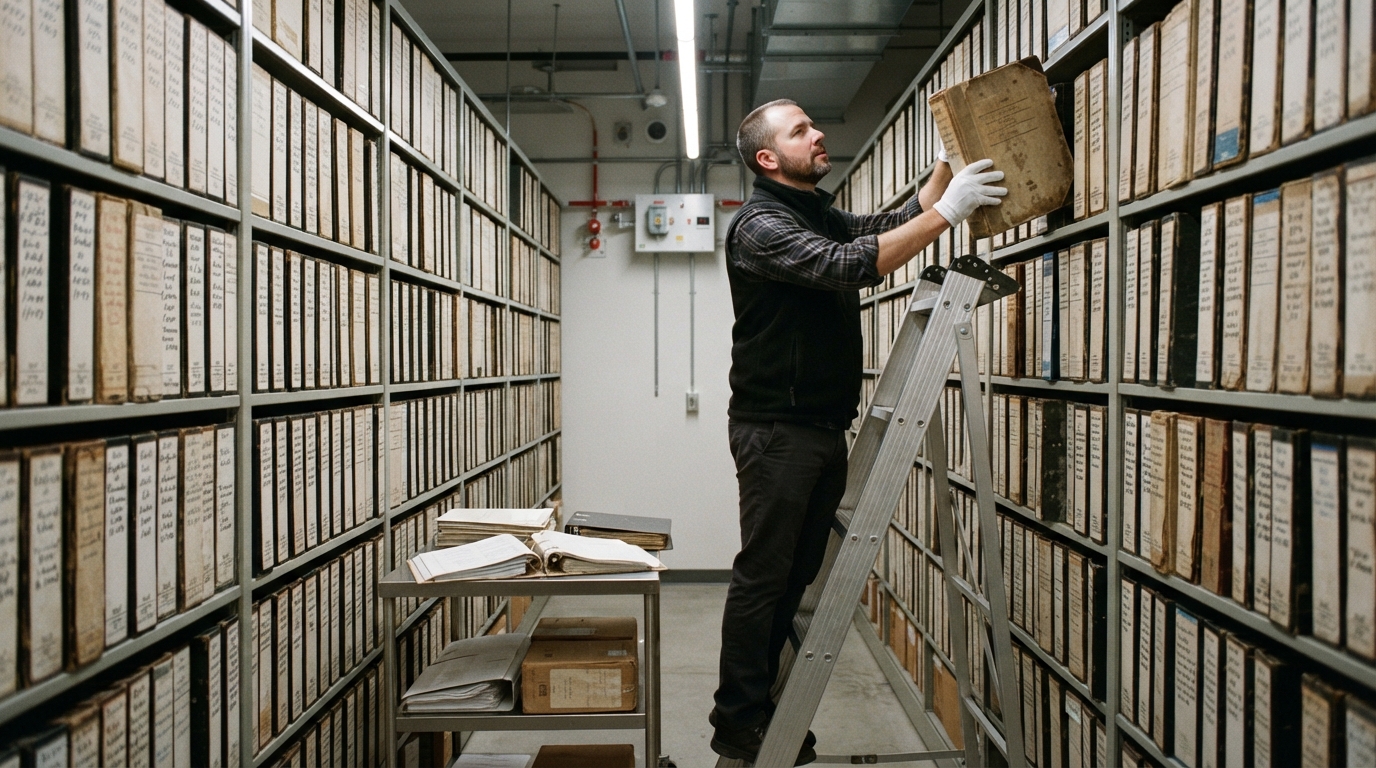
Concluding an unannounced regulatory audit with inspectional citations creates immediate corporate pressure. When a Consumer Safety Officer issues a Form FDA 483, your organization enters a high-stakes, 15-business-day response window. The operational decisions your leadership team makes during the first 24 hours directly influence your regulatory trajectory. Retaining an experienced FDA 483 response consultant allows your enterprise to triage findings quickly, avoid panic, and build a scientifically sound defense.
Under Section 704 of the Federal Food, Drug, and Cosmetic Act, the FDA issues a Form 483 when investigators observe objectionable conditions. These citations do not represent a final legal determination. However, an inadequate, defensive, or late written response almost always triggers an official Warning Letter or Import Alert. Structuring an immediate rapid-response framework protects commercial distribution channels and maintains operational credibility with federal authorities.
1. The Critical First 24 Hours: Immediate Action Sequence
The clock begins ticking the moment the investigator hands the paper form to your facility management. Engaging an FDA 483 response consultant during this initial window ensures your team executes a structured triage process under official FDA Inspection Operations & Compliance Guidance (FDA.gov Direct Portal).
       ┌──────────────────────────────────────────────────────────┐
       │             FIRST 24-HOUR EMERGENCY RESPONSE             │
       └────────────────────────────┬─────────────────────────────┘
                                    │
           ┌────────────────────────┴────────────────────────┐
           ▼                                                 ▼
┌──────────────────────────────────────┐  ┌──────────────────────────────────────┐
│       IMMEDIATE TRIAGE STEPS         │  │       GOVERNANCE & MOBILIZATION      │
│ - Transcribe exit conference notes   │  │ - Assemble multi-disciplinary team   │
│ - Secure all cited batch records     │  │ - Establish daily standup schedule   │
│ - Segregate affected inventory lots  │  │ - Assign observation owners (CAPA)   │
│ - Freeze relevant software audit logs│  │ - Retain third-party technical expert│
└──────────────────────────────────────┘  └──────────────────────────────────────┘
Your team must first transcribe all handwritten notes taken during the investigator’s closeout conference. You must capture every verbal comment, nuance, and question raised by the officer.
Next, quality leadership must immediately secure all physical and electronic records cited on the form. Locking these records prevents accidental alterations and establishes a clean evidentiary baseline for your root-cause analysis.
+---------------------------+-----------------------------------+-----------------------------------+
| Response Timeline Tier    | Operational Focus                 | Primary Deliverable               |
+---------------------------+-----------------------------------+-----------------------------------+
| Hours 0 – 24              | Immediate Triage & Mobilization   | Incident team charter & record lock|
| Days 2 – 5                | Comprehensive Root-Cause Analysis | Validated CAPA investigation plans|
| Days 6 – 10               | Drafting Technical Remediation    | Written response sections & proofs|
| Days 11 – 14              | Executive Review & Legal Polish   | Final executive sign-off package  |
| Day 15 (Final Cutoff)     | Formal District Submission        | Electronic tracking confirmation  |
+---------------------------+-----------------------------------+-----------------------------------+
Urgent 483 Response & Remediation Support
Triage your Form FDA 483 observations, build validated CAPA milestones, and submit an evidence-backed response within the strict 15-day window.
2. Navigating the 15-Day Clock: From Closeout to Agency Submission
Federal regulations give firms exactly 15 business days to respond in writing to inspectional observations. Partnering with a skilled FDA 483 response consultant ensures your team meets this non-negotiable deadline without compromising technical depth.
Investigators cross-reference your submitted response against central compliance databases. You can explore modern agency review methods by reading our briefing on FDA Inspection Trends in 2026: Biologics, AI, Foreign Facilities, and Remote Assessments.
┌──────────────────┐     ┌──────────────────┐     ┌──────────────────┐     ┌──────────────────┐
│  Form FDA 483    │ ──► │ Comprehensive    │ ──► │ Objective Proof  │ ──► │ District Office  │
│ Issued at Exit   │     │ Root Cause / CAPA│     │ Documentation    │     │ Formal Delivery  │
└──────────────────┘     └──────────────────┘     └──────────────────┘     └──────────────────┘
Hour 1 to 12: Establish the Response Command Center
Appoint a dedicated Project Manager to track remediation workflows. Establish a secure physical or digital war room to manage document drafting, evidence collection, and leadership approvals.
Hour 13 to 24: Initiate Inventory and Process Containment
Evaluate whether any cited observation impacts distributed commercial products. If an observation involves potential product contamination or release failures, initiate internal quarantine procedures immediately.
Day 2 to Day 7: Execute Methodical Root-Cause Investigations
Avoid surface-level corrections. Regulators reject responses that merely promise to retrain staff. Your team must utilize structured tools—such as Fishbone diagrams or 5-Why analyses—to identify systemic failure points.
Day 8 to Day 15: Compile Objective Evidence and Submit
Draft comprehensive remediation commitments with clear milestone dates. Attach validated calibration logs, revised SOPs, training records, and analytical test data to your formal submission.
To prepare floor personnel for future regulatory interactions, explore our training manual on How to Prepare Employees for FDA Investigator Interviews.
💡 Former FDA Investigator Perspective: Exit Conference Notes
[Expert Insertion Placeholder: Insert practical commentary on how capturing specific verbal context during the exit interview helps consultants craft targeted responses to ambiguous 483 observations.]
3. Five Costly Mistakes to Avoid in the First 24 Hours
Regulatory records demonstrate that poor initial choices frequently compromise an otherwise salvageable inspection outcome. Working alongside an FDA 483 response consultant helps executive teams avoid five widespread strategic errors under statutory rules codified in 21 U.S. Code § 374 (Factory Inspection Authority).
          FIVE FATAL FIRST-DAY COMPLIANCE MISTAKES
 ┌─────────────────────────────────────────────────────────────────┐
 │ 1. ADOPTING A DEFENSIVE OR ARGUING TONE IN THE RESPONSE         │
 │    - Challenging the investigator's expertise or integrity      │
 ├─────────────────────────────────────────────────────────────────┤
 │ 2. RELYING SOLELY ON EMPLOYEE RETRAINING AS A FIX               │
 │    - Ignoring procedural, mechanical, or systemic root causes   │
 ├─────────────────────────────────────────────────────────────────┤
 │ 3. OVER-PROMISING UNREALISTIC REMEDIATION TIMELINES             │
 │    - Pledging facility-wide software upgrades within 30 days    │
 ├─────────────────────────────────────────────────────────────────┤
 │ 4. FAILING TO ADDRESS SYSTEMIC AND FACILITY-WIDE SCOPE          │
 │    - Fixing only the single batch mentioned on the form         │
 ├─────────────────────────────────────────────────────────────────┤
 │ 5. MISSING THE HARD 15-BUSINESS-DAY SUBMISSION DEADLINE         │
 │    - Submitting on Day 16 results in automated Warning Letters  │
 └─────────────────────────────────────────────────────────────────┘
Mistake 1: Arguing with the Investigator’s Findings
Never draft an argumentative response. Acknowledging observations professionally while providing clarifying factual context maintains agency goodwill.
Mistake 2: Superficial Corrective Actions
Writing that you “retrained the operator” signals a weak quality culture. The agency expects structural changes, automated controls, or revised standard operating procedures.
Mistake 3: Unrealistic Completion Timelines
Setting unattainable deadlines creates future compliance violations. Regulators track commitment dates closely. If you cannot complete a validation within 60 days, establish phased milestone commitments instead.
Mistake 4: Narrowly Scoped Investigations
Fixing only the specific piece of equipment cited on the Form 483 guarantees repeat citations. Investigators expect you to evaluate all identical processing suites across your entire facility.
Mistake 5: Missing the 15-Day Deadline
Submitting your response even one day late prevents the district office from reviewing your remediation before making a Warning Letter decision.
To evaluate data integrity and digital recordkeeping requirements during audits, review our guide on Data Integrity During FDA Inspections: The Questions Investigators Ask Most.
4. Key Insights: Strategic Implications for Sponsors, CDMOs, and Manufacturers
+---------------------------+-------------------------------------------------------------------+
| Strategic Business Domain | Executive Enterprise & Compliance Implication                     |
+---------------------------+-------------------------------------------------------------------+
| CDMO Governance           | Brand sponsors face direct liability for contract facility 483s   |
| Commercial Continuity     | Unresolved observations escalate into Warning Letters and recalls |
| Capital Allocation        | Phased CAPA milestones protect operational cash flows             |
| Quality System Integrity  | Independent third-party audits rebuild regulatory credibility     |
+---------------------------+-------------------------------------------------------------------+
Retaining a qualified FDA 483 response consultant delivers strategic value that extends far beyond routine document drafting. For life sciences sponsors, contract development and manufacturing organizations (CDMOs), and biotech producers, inspection outcomes dictate enterprise valuation. Regulatory officers frequently audit crossover operations—such as facilities producing pharmaceuticals, biologics, and medical devices—against strict cGMP standards under 21 CFR Part 211 (Finished Pharmaceuticals).
Managing third-party manufacturing partnerships represents an acute operational risk. When a CDMO receives severe inspectional observations, the brand sponsor’s commercial pipeline faces immediate disruption. If the FDA uncovers unaddressed sterility failures or systemic data integrity lapses at a contractor, authorities can withhold new drug approvals and seize finished inventory.
The financial cost of regulatory escalation is severe. Unresolved Form 483s lead directly to public Warning Letters, import bans, and consent decrees. These public enforcement actions trigger shareholder lawsuits, contract cancellations, and steep remediation expenses.
       FORM FDA 483 ISSUED AT CLOSEOUT
                     │
                     ▼
       INADEQUATE 15-DAY RESPONSE SUBMITTED
                     │
                     ▼
       PUBLIC FDA WARNING LETTER PUBLISHED
                     │
                     ▼
 ┌───────────────────────────────────────────────────────────────┐
 │                   SEVERE ENTERPRISE IMPACT                    │
 │  - Application approvals (NDA/BLA/510k) withheld by agency   │
 │  - Commercial supply contract terminations by global partners │
 │  - Multi-million dollar third-party facility remediation costs│
 └───────────────────────────────────────────────────────────────┘
Forward-thinking executives treat inspectional responses as high-priority corporate projects. Engaging seasoned regulatory experts ensures that root-cause analyses satisfy agency expectations. Establishing transparent, phased corrective action milestones preserves commercial contracts, protects brand equity, and maintains continuous market access.
For an extensive review of active regulatory warning trends, consult our executive analysis of FDA Warning Letter Issued to Novo Nordisk Signals Expanding FDA Inspection Focus Beyond Traditional GMP Operations.
5. Learning from Recent Enforcement: 483 Escalation Trends
Recent regulatory records show that inadequate responses represent the primary trigger for escalated enforcement actions. Regulators penalize companies that submit vague commitments or fail to demonstrate verified corrective actions.
A review of recent actions on the official FDA Warning Letters Master Directory shows recurring response deficiencies:
- Submitting responses that lack objective documentary evidence (such as completed change controls or validation protocols).
- Failing to extend corrective actions to other processing suites or allied product lines.
- Promising corrective action completion dates without providing interim progress milestones.
- Failing to address underlying data integrity anomalies identified during the inspection.
Primary Reasons FDA Rejects Form 483 Responses:
1. Inadequate root-cause analysis & superficial fixes ......... 38%
2. Lack of objective proof (missing SOPs & validation logs) ... 31%
3. Failure to evaluate facility-wide systemic impact .......... 19%
4. Unrealistic or unmonitored completion timelines ............ 12%
When an audit reveals widespread compliance failures, investigators often expand their inquiries into broader operations. To understand how regulatory teams conduct specialized oversight across allied sectors, explore our analysis of How FDA Inspects Pet Food Manufacturing Facilities.
6. How to Build an Inspection-Ready Defense Plan
Preparing your technical response requires a disciplined, repeatable operational framework. Engaging an FDA 483 response consultant ensures your team builds an audit-ready response package.
┌────────────────────────────────────────────────────────────────────────┐
│               FOUR-PHASE FORM 483 REMEDIATION BLUEPRINT                │
├────────────────────────────────────────────────────────────────────────┤
│  PHASE 1: OBSERVATION DECONSTRUCTION & SCOPING                         │
│  - Break down multi-part citations into individual technical elements. │
├────────────────────────────────────────────────────────────────────────┤
│  PHASE 2: ROOT-CAUSE ANALYSIS & IMMEDIATE CORRECTIONS                  │
│  - Execute 5-Why investigations and implement immediate lot holds.     │
├────────────────────────────────────────────────────────────────────────┤
│  PHASE 3: LONG-TERM CAPA & OBJECTIVE PROOF COMPILATION                 │
│  - Draft revised SOPs, execute validation protocols, and gather logs.  │
├────────────────────────────────────────────────────────────────────────┤
│  PHASE 4: EXECUTIVE REVIEW & TIMELY DISTRICT SUBMISSION                │
│  - Conduct legal review, secure sign-offs, and submit before Day 15.   │
└────────────────────────────────────────────────────────────────────────┘
Actionable Preparation Protocols
- Deconstruct Every Observation: Split complex, multi-sentence observations into distinct compliance sub-points to ensure complete coverage.
- Provide Objective Documentary Proof: Attach signed SOP revisions, calibration certificates, and training rosters to prove completed actions.
- Establish Clear Interim Milestones: If a CAPA requires six months, provide detailed 30-day and 60-day progress deliverables.
- Commit to Monthly Agency Updates: Offer to submit voluntary monthly progress reports to demonstrate continuous remediation momentum.
- Conduct Independent Verification Audits: Retain outside technical experts to audit completed corrective actions before closing internal CAPA files.
To review broader systemic compliance drivers shaping the regulatory landscape this year, examine our report on Top FDA Inspection Findings for Biologics Manufacturing Facilities.
7. Conclusion
Successfully resolving inspectional citations requires rapid, decisive action within the first 24 hours. While an observation list creates significant operational stress, partnering with a knowledgeable FDA 483 response consultant helps your leadership team navigate the 15-day window effectively. By executing thorough root-cause investigations, implementing systemic corrective actions, and providing objective evidence, you protect your commercial reputation, meet federal safety mandates, and maintain ongoing manufacturing operations.
🛡️ Protect Your Plant Against Escalated Regulatory Actions
Triage your Form FDA 483 observations, build validated CAPA milestones, and submit an evidence-backed response within the strict 15-day window.
Frequently Asked Questions (FAQs)
What is the primary role of an FDA 483 response consultant?
An FDA 483 response consultant helps manufacturers evaluate citations, conduct rigorous root-cause analyses, draft technically sound responses, and assemble objective evidence within the 15-day deadline.
Is responding to a Form FDA 483 legally mandatory?
While federal statute does not strictly mandate a response, failing to respond within 15 business days almost certainly triggers a formal Warning Letter, import alert, or court injunction.
What is the exact deadline for submitting a Form FDA 483 response?
A facility must submit its written response within exactly 15 business days from the closeout date of the inspection to ensure district office review before formal enforcement decisions.
Does a Form FDA 483 mean our facility must halt production?
No. A Form 483 represents inspectional observations rather than a final agency order. However, management should evaluate whether cited conditions warrant internal holds on affected batches.
What is the difference between an FDA 483 and an Establishment Inspection Report (EIR)?
A Form FDA 483 lists observed non-compliant conditions at closeout. The EIR is the investigator’s comprehensive narrative report detailing the entire inspection, released months later.
Can a facility request an extension on the 15-day response window?
The FDA does not grant formal extensions to the 15-day deadline. Submitting an initial comprehensive response within 15 days, followed by scheduled monthly progress updates, represents the accepted agency protocol.
Primary References & Regulatory Authorities
- U.S. Food and Drug Administration (FDA) — Investigations Operations Manual (IOM) Chapter 5: Establishment Inspections The official federal manual detailing investigator authority, inspection closeout procedures, and Form FDA 483 issuance rules.
- U.S. Code of Federal Regulations — 21 U.S. Code § 374: Factory Inspection Authority The statutory federal law governing FDA investigator access, sample collection, and written observation requirements.
- FDA Office of Regulatory Affairs (ORA) — Compliance Actions & Warning Letters Directory Official repository documenting federal inspection outcomes, regulatory trends, and formal enforcement escalation notices.
- U.S. Food and Drug Administration (FDA) — 21 CFR Part 211: Current Good Manufacturing Practice for Finished Pharmaceuticals The federal statutory standard governing quality control, batch production records, and laboratory investigation requirements.
- FDA Regulatory Affairs Division — Form FDA 483 Frequently Asked Questions Agency guidance explaining the legal significance of inspectional observations and post-inspection response expectations.