
How FDA Inspects Pet Food Manufacturing Facilities
The Evolution of Animal Food Safety Oversight
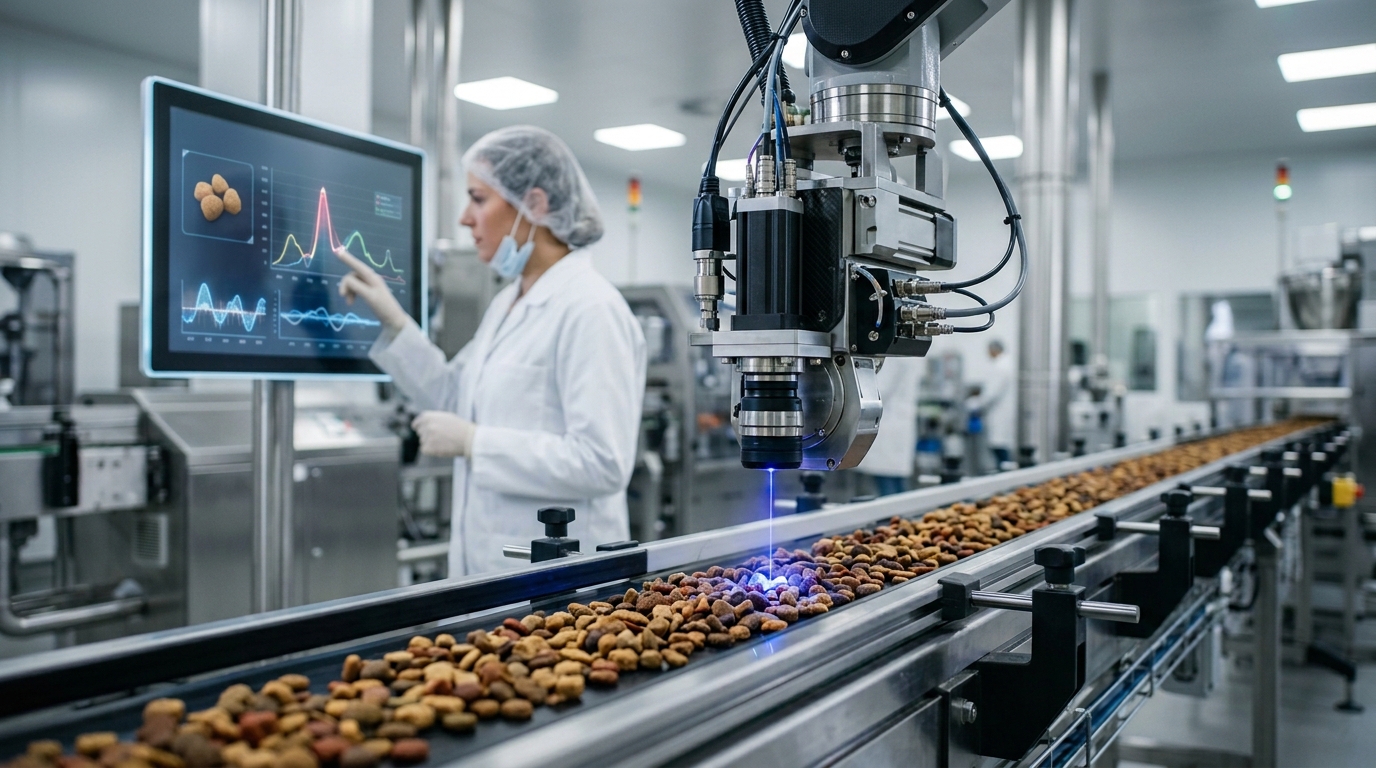
The pet food industry is currently witnessing a massive shift in regulatory rigor. For years, animal food facilities faced less scrutiny than human food plants. However, the full implementation of the Food Safety Modernization Act (FSMA) has bridged this gap. As we move through 2026, a pet food FDA inspection now carries the same intensity as a pharmaceutical audit. The agency’s primary goal is to ensure that animal feed is free from pathogens and chemical contaminants that could harm both pets and the humans who handle the products.
For manufacturers, this means that “basic cleanliness” is no longer the threshold for success. Investigators now arrive at facilities with a “Preventive Controls” mindset. They do not just look at the finished product; they evaluate the scientific rationale behind your entire manufacturing process. To survive this level of scrutiny, your facility must demonstrate active, data-driven management of every biological and physical hazard. This article provides a technical roadmap for successfully navigating a pet food FDA inspection in the modern 2026 regulatory environment.
How FDA One-Day Inspections Impact Biologics Manufacturers in 2026
FSMA and the Rise of Preventive Controls
The bedrock of a modern pet food FDA inspection is the “Hazard Analysis and Risk-Based Preventive Controls” (HARPC) plan. Under 21 CFR Part 507, facilities must identify every potential hazard—from heavy metals in raw meats to mycotoxins in grains—and implement specific controls to mitigate them. During an audit, the investigator will not just ask to see your plan; they will demand proof that your plan is actually working.
Firms often fail when they treat their food safety plan as a static document. In 2026, the FDA focuses on “Verification and Validation.” If you claim that a specific heat-step kills Salmonella, you must provide the scientific data that proves that temperature and time are sufficient. A successful pet food FDA inspection requires a seamless link between your written SOPs and your real-time production logs.
- Sanitation Controls: You must prove that your cleaning protocols prevent cross-contact between allergens and raw/cooked materials.
- Supply Chain Programs: Investigators verify that you have audited your ingredient suppliers for safety.
- Recall Readiness: The FDA expects to see a tested plan for removing contaminated products from the market within hours.
FDA Launches New “One-Day Inspectional Assessment” Program: What Industry Should Know
Expert Insights: Strategic Value of Animal Health Compliance
Industry Perspective & Expert Analysis
In the 2026 market, a successful pet food FDA inspection is a critical market differentiator. As pet “humanization” continues, consumers are demanding higher safety standards for their animals. For manufacturers, a clean inspection record is a primary asset that facilitates retail partnerships with major big-box stores. Conversely, the business impact of a “Pet Food Recall” is devastating. Beyond the financial loss, the damage to brand trust is often irreparable in the social media age. Strategic value lies in “Transparency as a Brand Pillar,” where compliance is marketed as a guarantee of love and care.
Key Challenges & Future Opportunities
The primary challenge in 2026 is managing “Pathogen Persistence” in dry manufacturing environments. Salmonella and Listeria can survive in facility niches for years. However, this creates a massive opportunity for the adoption of “Facility Digital Twins.” By using sensors and AI to map moisture and temperature zones, firms can predict where bacteria might grow. This proactive stance turns a pet food FDA inspection from a nerve-wracking event into a verification of your existing technical excellence.
Compliance Considerations for Decision-Makers
Leadership must realize that a pet food FDA inspection is an audit of your “Culture of Quality.” Investigators will legally ask: “Is senior management providing the funds for proper equipment maintenance?” In 2026, the FDA is focusing on the “Human-Food Link.” Because pets live in close contact with humans, a contamination event in a dog bowl is viewed as a public health threat to the entire family. Compliance requires management to empower the food safety team with the authority to stop production lines instantly.
What FDA Investigators Look for in Laboratory Records
Pathogen Control: The Salmonella Zero-Tolerance Standard
Pathogen control remains the highest priority item during a pet food FDA inspection. The FDA maintains a zero-tolerance policy for Salmonella in pet food that is intended to be handled by humans. Investigators will perform intensive environmental swabbing during their visit. They look for pathogens on floors, drains, and equipment surfaces in the “Post-Kill Step” areas.
If an investigator finds a positive swab in your facility, they will scrutinize your “Root Cause Analysis.” You must prove that the pathogen did not reach the finished product. In 2026, firms that use automated “Environmental Monitoring Portals” to track swab results in real-time are much more likely to pass. The key is to find the problem yourself before the FDA finds it for you.
Common Documentation Failures Found During FDA Inspections
Documentation Gaps and Real-Time Record Keeping
A recurring theme in 483 observations is the “Contemporaneous Record” failure. During a pet food FDA inspection, investigators check if your operators are filling out logs at the time of the task. If a production log shows a cooling temperature was checked at 2:00 PM, but the investigator observes the operator filling out the log at 4:00 PM, the integrity of your entire food safety system is compromised.
Furthermore, many facilities fail to document their “Corrective Actions.” If a hazard is detected, you must show exactly what was done with the affected product. Was it destroyed? Re-processed? You must have a clear “Chain of Custody” for every non-conforming batch. In 2026, the shift toward electronic batch records has made this process much more transparent and audit-friendly.
Lessons from Recent FDA Warning Letters in Pharmaceutical Manufacturing
The Role of Laboratory Controls and Testing
Laboratory controls are under intense scrutiny during a pet food FDA inspection. Investigators will verify that your testing methods are scientifically valid and that your equipment is calibrated. A common mistake is using “Rapid Kits” for pathogen testing without having a formal validation study for your specific product matrix.
- Aflatoxin Monitoring: For grain-based foods, you must show a robust testing program for mold-based toxins.
- OOS Investigations: If a lab test fails, you cannot just re-test until it passes. You must investigate “Why” it failed.
- Data Integrity: Electronic lab results must be protected from unauthorized changes or deletions.
Why Contract Testing Laboratories Receive FDA Warning Letters
Conclusion: Excellence in the Animal Food Chain
The pet food FDA inspection program has matured into a sophisticated mechanism for protecting public health. By focusing on preventive controls, pathogen mitigation, and transparent documentation, manufacturers can ensure a successful audit outcome. As we navigate the remainder of 2026, the companies that thrive will be those that view compliance not as a burden, but as the foundation of consumer trust. Ensuring that our pets receive safe, high-quality nutrition is more than a regulatory requirement; it is a fundamental responsibility of the modern animal food industry.
Frequently Asked Questions (FAQs)
1. How often does the FDA inspect pet food facilities? The FDA follows a “Risk-Based” schedule. High-risk facilities (e.g., those handling raw meats) are typically inspected every three years, while others may be less frequent.
2. What is the most common violation during a pet food FDA inspection? Failure to implement adequate preventive controls and inadequate environmental monitoring for Salmonella are the most frequent citations.
3. Does the FDA inspect raw pet food facilities more strictly? Yes. Due to the higher risk of pathogen contamination, raw pet food facilities face more intensive environmental swabbing and process validation reviews.
4. Can the FDA shut down my facility if I fail an inspection? While a 483 is not a shutdown order, a serious “Official Action Indicated” (OAI) status can lead to a suspension of registration, effectively stopping production.
5. What is the “Human-Food Link” in pet food audits? It refers to the fact that pet food is often handled by humans in the home. Contamination in pet food is treated as a risk to human health, not just animal health.
6. Do I need to audit my ingredient suppliers? Yes. Under FSMA, pet food manufacturers are responsible for the safety of the ingredients they receive and must have a formal supplier verification program.
References & Citations
- FDA 21 CFR Part 507 – Preventive Controls for Animal Food: FDA Official Link – The foundational regulation governing modern pet food manufacturing safety.
- FSMA Preventive Controls for Animal Food Guidance: FDA Guidance Link – Official technical guide for developing an audit-ready safety plan.
- FDA Pathogen Control in Pet Food Strategy: FDA News – Information on the agency’s zero-tolerance policy for pathogens in animal feed.
- Association of American Feed Control Officials (AAFCO) Guidelines: AAFCO Official Site – Industry standards used by the FDA to evaluate pet food labeling and nutrition.
- 2026 FDA Inspectional Observation Trends (Animal Food): FDA Data Dashboard – Public data showing the most common citations in the animal health sector.
Elevate Your Facility Integrity and FDA Readiness
The regulatory complexities of 2026 demand a partner who understands the high stakes of FDA Inspection protocols. We help you navigate the transition to FSMA-aligned operations by providing the technical expertise and strategic oversight necessary to protect your brand. Our platform bridges the gap between raw manufacturing data and sustainable compliance, ensuring that every bag of pet food meets the highest standards of safety. Whether you are performing a deep-dive hazard analysis or preparing your team for an unannounced site visit, you can find the expert solutions and regulatory guidance required to drive business success right here. Join us today to ensure your facility remains a leader in animal food safety while maintaining total regulatory confidence.