FDA Launches New “One-Day Inspectional Assessment” Program: What Industry Should Know
The FDA has announced a new “One-Day Inspectional Assessment” pilot program aimed at increasing oversight efficiency through rapid, targeted inspections.
Available 24/7 for Urgent On-Site or Virtual Consulting
The FDA has announced a new “One-Day Inspectional Assessment” pilot program aimed at increasing oversight efficiency through rapid, targeted inspections.

Analyzing regulatory enforcement actions provides a roadmap for maintaining a compliant manufacturing environment. This guide explores the most critical FDA Warning Letters Lessons from recent years, focusing on data integrity failures, inadequate CAPA systems, and poor management oversight. Learn how to transform these industry failures into a robust readiness strategy that safeguards your facility from similar enforcement actions.
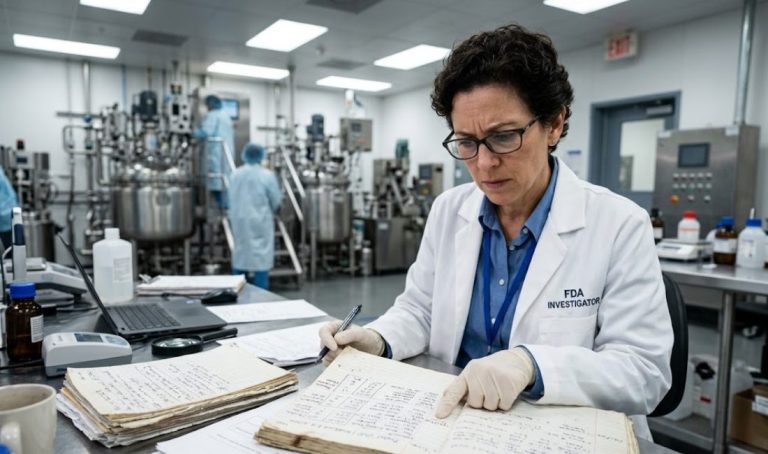
Maintaining accurate records is the primary requirement for cGMP compliance. However, many firms struggle with systemic paperwork errors. This guide analyzes the most frequent Documentation Failures FDA investigators uncover during audits, ranging from missing signatures to backdated entries. Learn how to identify these gaps through gap analysis and protect your facility from regulatory enforcement and 483 observations.

Navigating an agency audit requires a deep understanding of how investigators evaluate your data. This guide explores the critical elements of Laboratory Records FDA scrutiny, focusing on raw data, audit trails, and ALCOA+ principles. Discover how to identify gaps in your documentation, manage forensic audits, and protect your facility from Warning Letters through proactive laboratory record management.

Regulatory experts agree that proactive identification of compliance weaknesses is the only way to safeguard a life sciences facility. This guide explains how Gap Analysis Prevents FDA Enforcement by pinpointing systemic vulnerabilities before investigators arrive. Explore the methods for auditing your Quality Management System, securing data integrity, and building a robust defense against 483 observations.
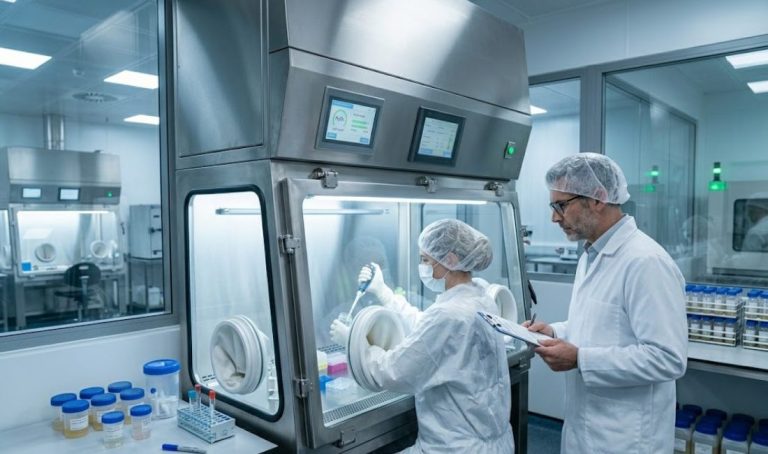
Contract testing laboratories are essential partners in the pharmaceutical supply chain. However, they frequently face heavy regulatory scrutiny. This guide analyzes why Contract Testing Laboratories Receive FDA Warning Letters, focusing on data integrity failures and inadequate quality oversight. Learn how labs can identify compliance gaps and protect their clients through rigorous adherence to cGMP standards and forensic audit readiness.

Forensic auditing has changed the landscape of regulatory inspections. This guide explores how the FDA Detects Data Integrity manipulation through audit trail deep-dives, metadata analysis, and “orphan data” searches. Discover the specific laboratory red flags that investigators target and learn how to secure your Quality Management System against forensic scrutiny and enforcement actions.

Staying ahead of evolving FDA Inspection Trends is vital for maintaining global market access. Investigators are currently moving beyond traditional checklists to focus on forensic data integrity, remote regulatory assessments, and complex supply chain transparency. This guide analyzes the current enforcement landscape to help Quality Directors and Compliance teams identify vulnerabilities and ensure total inspection readiness in an increasingly digitized industry.

The Quality Unit FDA Inspections process is the ultimate test of a facility’s oversight capabilities. This guide explores the critical responsibilities of the QU, from managing investigator interactions to defending the Quality Management System. Learn how to empower your Quality Unit to identify gaps, manage data integrity, and lead your facility toward a successful audit outcome without the risk of Form 483 observations or Warning Letters.

Understanding how the FDA Evaluates Quality Systems is critical for any life sciences manufacturer. The agency utilizes a rigorous, system-based approach to ensure that products meet safety and purity standards. This guide analyzes the six core systems of the FDA’s inspection model, including the Quality System, Production, and Laboratory Controls. Learn to identify gaps in your facility before investigators arrive, ensuring a successful audit outcome and protecting your operational license.