The Strategic Importance of FDA Inspection Readiness
In the high-stakes world of pharmaceutical manufacturing, regulatory compliance is not a seasonal event but a daily commitment. FDA inspection readiness refers to a facility’s ability to demonstrate 100% compliance with Current Good Manufacturing Practices (cGMP) at any given moment. For Quality Assurance directors and manufacturing leadership, an unannounced visit from a federal investigator should not be a cause for panic. Instead, it should be an opportunity to showcase a robust Quality Management System (QMS) that consistently ensures patient safety.
The regulatory landscape in 2026 has shifted significantly toward data-driven oversight and risk-based inspections. The FDA now utilizes advanced analytics to predict which facilities are at the highest risk for non-compliance. Consequently, manufacturers must adopt a proactive stance. Being “inspection-ready” means your documentation is contemporaneous, your personnel are competent, and your facility maintenance is flawless. A lapse in any of these areas can result in observations that damage your brand’s reputation and bottom line.
To build a foundation for success, many firms start by evaluating their internal processes against common failure points. Understanding the Top 20 Reasons Companies Fail FDA Inspections is an excellent starting point for any leadership team. By identifying these common pitfalls early, you can implement corrective actions before an investigator ever sets foot in your facility.
Phase 1: Establishing a Culture of Permanent Readiness
The most effective readiness strategy is one that is invisible. It is woven into the fabric of daily operations. Permanent readiness means that your operators follow Standard Operating Procedures (SOPs) because they understand the value of the process, not because they fear an audit. This cultural shift requires buy-in from senior management, ensuring that quality is never sacrificed for the sake of production speed.
Management must provide the necessary resources—both human and financial—to maintain the facility in a state of control. This includes regular investments in equipment calibration, facility upgrades, and ongoing employee training. When an investigator senses a strong “Quality Culture,” they are less likely to dig for minor clerical errors. They see a facility that takes its responsibility to the public seriously and maintains constant FDA inspection readiness.
One of the best ways to test this culture is through external eyes. Many high-performing firms invest in Mock FDA Inspections: How Former FDA Investigators Prepare Companies. These simulations provide a “safe” way to identify behavioral gaps and technical errors that internal teams might overlook due to familiarity.
Phase 2: Master Documentation and Data Integrity
Documentation is the primary evidence the FDA uses to evaluate your facility. If a process was not recorded, in the eyes of the law, it never happened. In 2026, the agency has placed an unprecedented focus on data integrity. Investigators look for the “ALCOA+” principles: Attributable, Legible, Contemporaneous, Original, and Accurate, plus Complete, Consistent, Enduring, and Available.
Pharmaceutical manufacturers must move away from manual, error-prone record-keeping toward validated digital systems. However, digital systems bring their own risks, such as unauthorized data changes or back-dating. Your IT and Quality teams must work together to ensure that audit trails are secure and that user access is strictly controlled based on job function. This digital security is a pillar of FDA inspection readiness.
Failure to secure these digital footprints is a leading cause of enforcement actions. For a deeper look at the technical requirements, see our guide on FDA Data Integrity Violations: What Investigators Look For. Securing your data is not just a checkbox; it is a critical component of your facility’s integrity and your overall readiness posture.
Phase 3: The Role of the Quality Management System (QMS)
The QMS is the “brain” of your manufacturing operation. It manages everything from raw material intake to final product distribution. During an inspection, the FDA will scrutinize how your QMS handles deviations, complaints, and Corrective and Preventive Actions (CAPA). A “weak” CAPA system is a major red flag that indicates a company is not properly identifying or fixing its root causes, which destroys FDA inspection readiness.
An effective QMS must be self-correcting. If you identify a deviation yourself and have a documented, ongoing CAPA to fix it, the FDA is often satisfied. However, if the investigator finds a problem that your system missed, they will question the competence of your entire Quality Unit. Transparency is key here. Showing that you actively look for and fix your own problems builds trust with the agency.
Understanding what investigators prioritize during these reviews can significantly lower your risk profile. We recommend reviewing the FDA Inspection Checklist: What Investigators Review During GMP Audits. This allows you to perform a targeted gap analysis of your Quality System and ensure your CAPA logs are up to date and scientifically sound before the audit begins.
Phase 4: Personnel Training and SMEs
Your people are your front line. During a walkthrough, an investigator will often pick an operator at random and ask them to explain a specific procedure. If the operator cannot answer or gives an answer that contradicts the SOP, it suggests a failure in your training program. Readiness training must go beyond a simple signature on an attendance sheet; it must involve competency-based assessments to ensure true FDA inspection readiness.
Furthermore, you must identify and train Subject Matter Experts (SMEs) for every critical system. These SMEs should be trained in “Inspection Etiquette”—how to answer questions directly, how to avoid speculation, and how to stay professional under pressure. The goal is to provide the investigator with accurate information as quickly as possible without volunteering extra, unnecessary data that could lead to more observations.
Training should also extend to the “Back-room” team. This is the team that reviews documents and coordinates requests during the audit. A well-oiled Back-room can prevent mistakes from reaching the investigator. If your team understands the “why” behind the rules, they are far more likely to maintain a state of permanent readiness throughout the inspection lifecycle.
Phase 5: Facility Maintenance and Sanitation
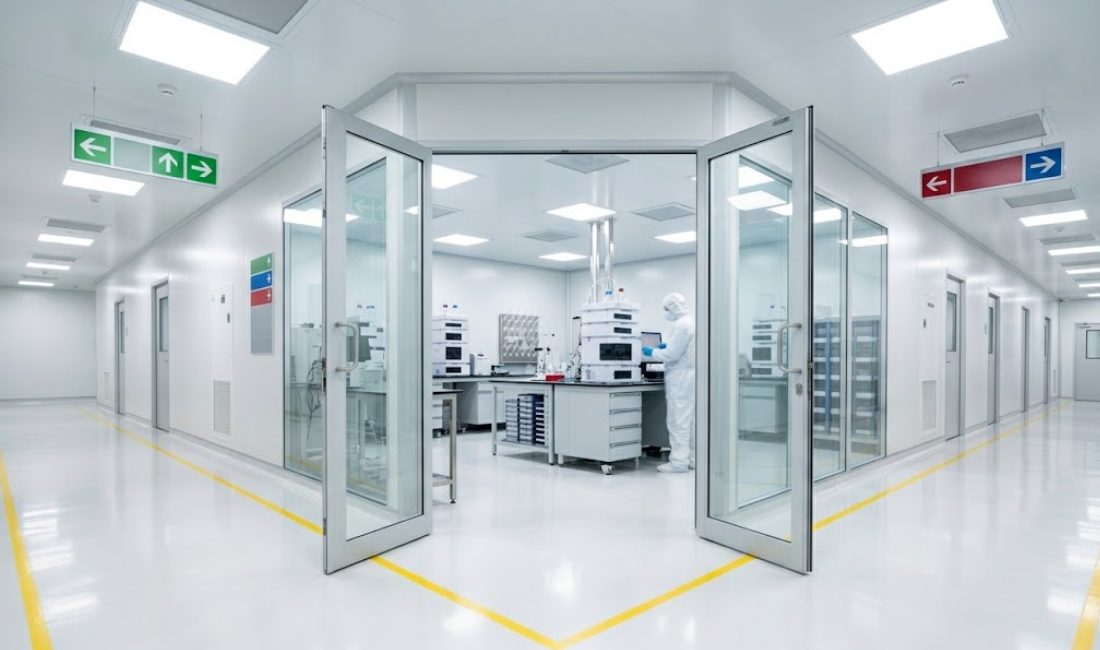
A physical walkthrough is a standard part of any pharmaceutical audit. First impressions matter. A cluttered hallway, a dusty machine top, or a minor leak in a non-critical area can trigger a more intensive search in your cleanrooms. Your maintenance checklist must include every corner of the facility, ensuring that everything is labeled, clean, and in its proper place to maintain FDA inspection readiness.
Special attention must be paid to high-risk systems like HVAC and water purification. These systems are the most frequent sources of microbial contamination. Investigators will review your validation reports and environmental monitoring data to ensure you have consistent control over these environments. If your data shows a “spike” in contamination, you must show the investigation and corrective action that followed.
Proper sanitation protocols are equally vital. Operators must follow gowning procedures to the letter, and cleaning logs must be contemporaneous. Any sign of pest activity or structural decay is an immediate citation. Maintaining a pristine facility environment is the most visible way to demonstrate your commitment to cGMP standards and absolute regulatory readiness.
Phase 6: Managing the Inspection Lifecycle
FDA inspection readiness also involves knowing how to manage the audit while it is happening. When the investigator arrives, your “Front-room” host should meet them, verify their credentials, and escort them to a designated meeting room. You should have a pre-defined process for retrieving documents and providing them to the investigator in a timely manner.
During the audit, keep a detailed log of every question asked and every document provided. This allows your “War Room” team to identify where the investigator is focusing their attention. If the investigator points out a minor issue, fix it immediately if possible. This shows a proactive attitude. However, never argue with an investigator; if you disagree, provide data and regulatory logic in a respectful manner.
It is also important to know what happens after the visit ends. Will you receive a clean report or a list of observations? Understanding What Happens After an FDA Inspection? Understanding the 483 and Warning Letter Process is critical for your leadership to prepare for the potential outcomes, whether they are favorable or require urgent remediation.
Phase 7: Responding to Findings and Continuous Improvement
If the investigator finds deficiencies, they will issue a Form 483 at the exit interview. This is not the time for despair, but for organized action. You have 15 business days to submit a written response. This response must be technical, thorough, and address the systemic root cause of each observation. A strong response can prevent the situation from escalating into a Warning Letter and restores FDA inspection readiness.
For a detailed roadmap on drafting this communication, follow our How to Respond to an FDA Form 483 (Step-by-Step Guide). Your response should include specific timelines for corrective actions and evidence of any immediate fixes you have already implemented. The FDA reviewer in the District Office wants to see that you are taking full ownership of the findings.
If the situation does escalate, you must be prepared for the most severe administrative action. Understanding FDA Warning Letters Explained: What They Mean and How to Respond is essential for your legal and regulatory teams. A Warning Letter is a public notice of non-compliance and requires a highly strategic remediation plan to resolve and “close out” the audit successfully.
Conclusion: The Path to Regulatory Excellence
FDA inspection readiness is an ongoing journey of operational excellence. For pharmaceutical manufacturers, the stakes could not be higher. By focusing on a culture of quality, mastering data integrity, and maintaining a pristine facility, you protect your company from regulatory risk and ensure that your products are safe for the patients who rely on them.
The landscape of 2026 demands transparency and proactive management. There are no shortcuts to compliance. Treat every observation as a learning opportunity and every audit as a chance to improve. When you prioritize permanent readiness, you move beyond the fear of inspections and enter a state of confident, continuous manufacturing. Stay diligent, stay ready, and always prioritize the patient at the end of your supply chain.
Frequently Asked Questions (FAQs)
1. How often does the FDA inspect pharmaceutical facilities? The frequency is based on a “Risk-Based” model. Factors include the type of product, the history of the facility, and any previous 483 observations or Warning Letters.
2. Can an FDA investigator look at my personal emails? Generally, no. The FDA has access to records required by GMP regulations, such as batch records, SOPs, and training logs. They do not typically have the right to view personal communications unless they are part of the official quality system.
3. What is the difference between an NAI, VAI, and OAI classification? NAI (No Action Indicated) means no issues were found. VAI (Voluntary Action Indicated) means minor issues were found. OAI (Official Action Indicated) means significant violations were found requiring enforcement action.
4. How long does a typical FDA inspection last? A routine GMP inspection usually lasts between 3 to 5 days, though complex “Pre-Approval Inspections” (PAI) for new drugs can last two weeks or more.
5. Is a 483 observation the same as a law violation? A 483 is an investigator’s observation of potential violations. It is not a final agency determination. However, if not addressed, it can lead to a formal legal finding of a violation.
6. Should we hire a consultant for FDA readiness? Many firms find value in hiring third-party experts, especially former FDA investigators, to perform gap analyses and provide an unbiased view of the facility’s compliance status.
References
U.S. Food and Drug Administration (2025). Investigations Operations Manual (IOM). This foundational document serves as the primary operational guide for FDA field investigators, establishing standardized protocols for conducting professional facility audits. It delineates the specific boundaries and statutory authorities granted to investigators during on-site inspections .
Access the Official IOM Document
Code of Federal Regulations. Title 21, Part 211 – Current Good Manufacturing Practice for Finished Pharmaceuticals. These federal regulations establish the mandatory quality benchmarks for every stage of pharmaceutical production. Adherence to these statutes ensures that drug products consistently meet the safety, identity, strength, quality, and purity characteristics they are represented to possess .
View the Complete Legal Statutes
U.S. FDA’s Center for Drug Evaluation and Research (CDER). Data Integrity and Pharmaceutical CGMP Compliance: A Q&A Guidance. This evidence-based document outlines the agency’s position on electronic record security and data governance, focusing on preventing data manipulation and ensuring that manufacturing evidence remains transparent, complete, and traceable.
Download the Guidance Document
International Council for Harmonisation (ICH). Q10 Pharmaceutical Quality System. This internationally recognized harmonized guideline defines a modern framework for effective quality management. It emphasizes the importance of managing the product lifecycle and maintaining a state of continuous improvement in pharmaceutical manufacturing operations .
Federal Register (Volume 74, No. 153). *Post-Inspection Response Timelines for FDA Form 483 Observations*. This official government notice formalizes the standard 15-business-day window for submitting written responses to inspectional observations. It outlines the technical criteria the FDA employs when evaluating a firm’s proposed corrective and preventive actions prior to determining subsequent regulatory steps.
How FDA Investigators Conduct GMP Inspections
During a site visit, investigators function as highly specialized auditors who assess both technical compliance and operational behaviors. They typically implement a “top-down” audit strategy, first evaluating the overarching quality system before drilling down into specific batch records or laboratory deviation reports. The investigator’s fundamental objective is to verify that your facility consistently operates in a validated “state of control” as described in ICH Q10 . They remain particularly attentive to employee interactions; if staff members appear coached, hesitant, or uncertain about their roles and responsibilities, the investigator will likely intensify the audit scope to identify underlying training deficiencies or systemic quality gaps.
Organizations frequently identify and remediate these vulnerabilities by conducting mock FDA inspections led by former FDA investigators. Additional details on FDA Inspection Readiness and Gap Analysis services can be found by visiting the FDA Inspection website.