Navigating the Complexity of Biologics Regulatory Audits
Biologics manufacturers face a significantly higher level of regulatory scrutiny compared to traditional drug makers. Because these products derive from living organisms, the manufacturing process is inherently variable and sensitive. Consequently, a Biologics FDA Inspection focuses heavily on the “process” rather than just the final product. Investigators from the Center for Biologics Evaluation and Research (CBER) prioritize environmental monitoring, viral safety, and aseptic processing. Therefore, firms must prove they maintain absolute control over their facility and biological systems to ensure patient safety.
A successful inspection outcome starts with a deep understanding of FDA’s Regulation of Biologics. These regulations require manufacturers to demonstrate that their products are safe, pure, and potent. In addition, biologics facilities must comply with both the general cGMP requirements and specific biologics standards. Failing to manage these complexities often results in significant regulatory hurdles. By implementing a culture of continuous readiness, your firm can transform a high-stakes audit into a demonstration of manufacturing excellence.
Strengthening Contamination Control and Aseptic Processing
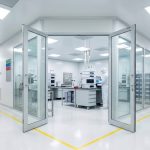
In biologics manufacturing, the environment is the most critical variable. Investigators meticulously review your contamination control strategy (CCS). They examine air filtration systems, water purity, and gowning protocols for personnel. Furthermore, any sign of microbial ingress can lead to immediate batch rejection and an expanded audit scope. Therefore, your Quality Unit must verify that every aseptic intervention follows validated procedures. This level of detail is vital because environmental failures are among the Top 20 Reasons Companies Fail FDA Inspections.
During an inspection, the FDA will observe live operations to ensure staff follow the written SOPs. If an operator fails to follow aseptic technique, it signals a systemic training failure. Consequently, investigators will dig deeper into your cleanroom validation and sterilization cycles. Maintaining a state of FDA Inspection Preparation for Medical Device Companies and biologics firms requires a rigorous focus on the physical state of the facility. You must ensure that every square inch of the production area remains beyond reproach.
Data Integrity in Biological Process Development
Biologics data is inherently complex, involving cell bank characterization, fermentation logs, and purification analytics. The FDA expects this data to meet the ALCOA+ standards. However, many biologics firms struggle with the volume of raw data generated by automated bioreactors. If your electronic systems lack robust audit trails, you cannot prove the integrity of your process. Therefore, you must implement strict controls over software access and data storage to comply with 21 CFR Part 11.
Investigators often look for “ghost” files or unrecorded deviations in the process development phase. This is why understanding FDA Data Integrity Violations: What Investigators Look For is crucial for your compliance team. Moreover, you should consult the FDA Guidance on Data Integrity and CGMP to align your laboratory and production systems. In addition, biologics manufacturers must focus on Top FDA Data Integrity Violations in Pharmaceutical Manufacturing to learn from common industry pitfalls.
Utilizing Mock Inspections for Biologics Readiness
Given the high stakes of biologics manufacturing, a fresh set of eyes is often necessary to find hidden risks. Many firms utilize a Mock FDA Inspection: How Former FDA Investigators Prepare Companies to simulate the pressure of an actual audit. Former investigators possess the unique ability to think like the agency. Consequently, they can identify subtle gaps in your viral clearance studies or your cell bank stability data. This proactive approach allows you to remediate issues before the official investigator arrives.
A mock audit should also include a deep-dive into your How to Conduct an Internal GMP Audit Before an FDA Inspection program. For biologics, this means verifying that your internal auditors have the technical expertise to evaluate complex biological assays. In addition, a gap analysis helps you prioritize capital improvements. Whether it is upgrading a legacy HVAC system or implementing a new LIMS, these decisions should be driven by regulatory risk. Proactive investment is always cheaper than the cost of a Warning Letter.
Handling the CBER Investigator and Subject Matter Experts
When the investigator arrives at a biologics facility, they will want to speak with your Subject Matter Experts (SMEs). In a biologics context, these are often PhD scientists and bioprocess engineers. However, these experts often struggle with the “concise” communication style required during an audit. Therefore, you must coach your SMEs to provide factual, data-driven answers without over-explaining. If an SME speculates on a viral contamination event, the investigator may spend the next three days auditing your entire clearance strategy.
Your backroom team plays an equally important role. They must retrieve complex validation reports and batch records in minutes. Furthermore, they should pre-review every document for data integrity issues before it enters the inspection room. Understanding How FDA Investigators Conduct GMP Inspections helps your leadership team manage the psychological pressure of the visit. Consequently, you can maintain a professional, controlled environment that reflects your facility’s high quality standards.
Responding to 483 Observations in Biologics
If the investigator issues a Form 483, do not panic. For biologics manufacturers, these observations often involve complex technical issues that require a phased remediation approach. You have 15 business days to provide a response that the FDA will deem “adequate.” Furthermore, your response must address the global impact of the finding. For example, if the investigator found a leak in one bioreactor, you must prove that your entire fleet of bioreactors is not prone to similar failures.
Navigating What Happens After an FDA Inspection? Understanding the 483 and Warning Letter Process requires a strategic mind. You must provide a clear root cause analysis and a timeline for corrective actions. If the FDA finds your response lacking, they may issue a Warning Letter, which can halt your biologics license application (BLA). If you find yourself in this position, following a How to Respond to an FDA Form 483 (Step-by-Step Guide) is essential to protect your company’s future.
Viral Safety and Adventitious Agent Control
Viral safety is perhaps the most critical component of biologics compliance. The FDA focuses heavily on your viral clearance studies and your testing of raw materials derived from animal or human sources. If your viral testing data is incomplete, the investigator will view your entire process as high-risk. Therefore, you must maintain impeccable records of your viral inactivation steps and the validation of those steps. In addition, you must have a robust plan for responding to a potential contamination event.
The ICH Q5A(R2) Guideline on Viral Safety provides the international standard for evaluating biologics. Internal auditors should review these studies to ensure they reflect the current manufacturing scale. Furthermore, you must verify that your contract testing labs meet the same high standards you do. Consequently, supply chain transparency is not just a logistical need; it is a regulatory requirement that investigators will check during every inspection.
Process Validation and Comparability Protocols
Biologics manufacturing often involves process changes, such as moving to a larger bioreactor or changing a purification resin. The FDA requires you to prove that these changes do not impact the safety or efficacy of the product. Therefore, your process validation must be robust and ongoing. Investigators will review your “Process Performance Qualification” (PPQ) runs and your “Continuous Process Verification” (CPV) data. If you cannot show a stable process, the FDA will question your ability to produce a consistent product.
Furthermore, if you implement a change, you must follow a comparability protocol. In addition, you must use high-intent analytics to prove the “before and after” products are identical. The FDA Guidance on Process Validation is the primary reference for this area. By maintaining a data-rich validation strategy, you provide the evidence needed to satisfy the most skeptical investigator.
Cold Chain Logistics and Distribution Integrity
Many biological products are temperature-sensitive and require a strict cold chain. The FDA’s oversight does not end at the loading dock. Investigators will review your temperature logs and your validation of shipping containers. If you lose control of the temperature during transit, the potency of the biologic is at risk. Therefore, you must have a robust system for monitoring and documenting every step of the distribution process.
Consequently, your QMS must include procedures for handling temperature excursions. Furthermore, you should review the USP <1079> Good Storage and Distribution Practices to ensure your logistics partners are compliant. During an inspection, the FDA may even ask to see the audit reports for your third-party logistics (3PL) providers. By treating your supply chain as an extension of your cleanroom, you ensure that the patient receives a safe and effective treatment.
Final Preparations: Personnel and Facility Logistics
As the inspection date nears, the Quality Unit must finalize the “front room” and “back room” logistics. This includes ensuring that all equipment maintenance logs are up to date and that the facility is clean and organized. A disorganized facility often leads to an investigator assuming your biological processes are equally sloppy. Furthermore, conduct a final “gowning audit” to ensure that all personnel are following sterile procedures perfectly.
In addition, verify that all subject matter experts are available and have been briefed on the recent deviation history. This final layer of preparation ensures that the team is aligned and ready to defend the facility. By taking a systematic approach to biologics readiness, you transition from a state of anxiety to a state of confidence. Ultimately, a successful inspection is the reward for a year-round commitment to biologics quality.
Conclusion
Successfully navigating a biologics regulatory audit requires a combination of technical excellence and strategic preparation. By focusing on contamination control, data integrity, and process validation, you demonstrate to the FDA that your facility is in total control of its living processes. Remember, a Biologics FDA Inspection is an opportunity to prove that your company is a leader in the life sciences industry. A robust compliance culture is the best investment you can make in the future of your biologics portfolio.
Companies often identify these issues during a mock FDA inspection conducted by former FDA investigators. Learn more about FDA Inspection Readiness and Gap Analysis services at FDA Inspection. These build authority around inspections and enforcement.
FAQs
1. How do biologics inspections differ from pharmaceutical inspections? Biologics inspections focus much more heavily on aseptic processing, viral safety, and the stability of the living cell lines used in production.
2. What is a PAI in biologics? A Pre-Approval Inspection (PAI) occurs before the FDA approves a new Biologics License Application (BLA). It is designed to verify that the facility is capable of commercial production.
3. Why is viral clearance so important to the FDA? Because biologics often use animal-derived materials, there is a risk of viral contamination. The FDA requires proof that your process can effectively remove or inactivate viruses.
4. Can a biologics facility use “single-use technology”? Yes, single-use systems are common in biologics. However, the FDA will want to see validation data regarding extractables and leachables from the plastic components.
5. What should we do if we find a contamination event before an inspection? You must conduct a thorough investigation, identify the root cause, and document the corrective actions. Transparency and a strong CAPA response are essential when the FDA arrives.
6. How often does the FDA inspect biologics facilities? Generally, biologics facilities are inspected every two years. However, a Pre-Approval Inspection or a significant product change can trigger an earlier visit.
References
- FDA Guidance: Biologics Inspection Guide – A detailed resource explaining CBER’s approach to auditing sterile manufacturing facilities.
- ICH Q5A(R2) Viral Safety Evaluation – The global regulatory standard for ensuring biologics are free from adventitious agents.
- 21 CFR Part 600 – Biological Products – The primary U.S. code of federal regulations governing the manufacturing and safety of biologics.
- FDA Process Validation: General Principles – The foundational guide for validating biological processes from development to commercial scale.
- PDA Technical Report No. 13: Sterilizing Filtration of Liquids – A technical benchmark used by biologics manufacturers to ensure aseptic integrity through filtration.
Many biologics and cell therapy manufacturers proactively mitigate these regulatory risks by scheduling a mock FDA inspection led by former agency investigators to identify vulnerabilities before an official audit. To ensure your facility remains compliant and protects its BLA status, explore expert FDA Inspection Readiness and Gap Analysis services at FDA Inspection. Implementing these professional assessments builds significant authority around your site’s inspections and overall enforcement strategy.