
FDA Food Inspection Checklist: 25 Things to Check Before the Investigator Arrives
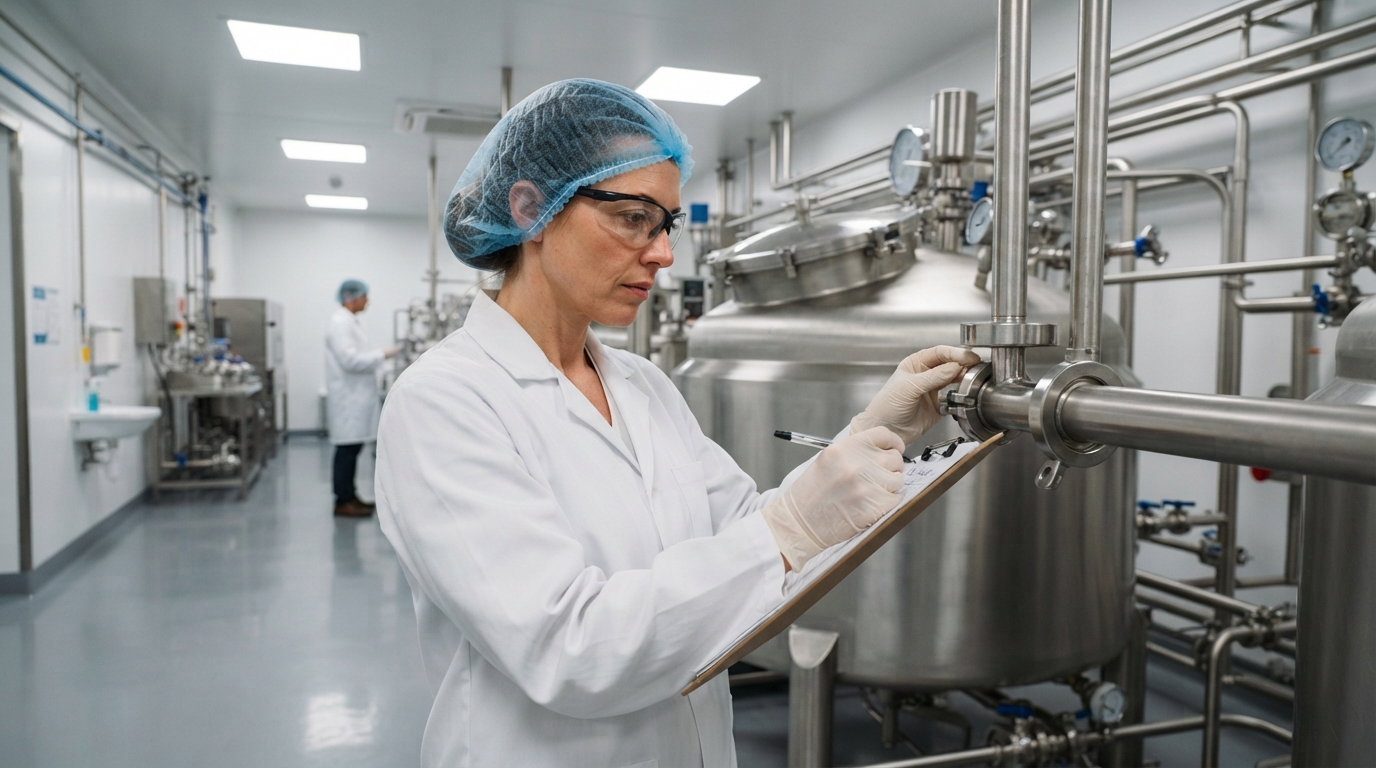
Operating a commercial food processing plant or dietary ingredient facility requires constant regulatory vigilance under the Food Safety Modernization Act (FSMA). When federal investigators conduct an unannounced audit, they evaluate your physical premises, manufacturing controls, and technical archives. Waiting for an investigator to knock on your door before auditing your own facility creates unacceptable regulatory exposure. Maintaining a proactive FDA food inspection checklist ensures your production team identifies and corrects compliance vulnerabilities before an official audit begins.
Under 21 CFR Part 117, the Food and Drug Administration enforces Current Good Manufacturing Practice (cGMP), Hazard Analysis, and Risk-Based Preventive Controls for Human Food. Operating an audit-ready processing facility requires daily discipline across every production shift. Federal officers look for cross-contact risks, sanitation breakdowns, uncalibrated monitoring devices, and missing verification logs. Using a structured inspection checklist helps your management team defend facility operations and prevent disruptive regulatory citations.
Take Immediate Control of Your Regulatory Posture
Audit your physical plant sanitation, validate your preventive control monitoring records, and train floor supervisors before an unannounced federal audit occurs.
1. Statutory Authority and Scope: What Triggers a Plant Audit?
Federal law authorizes the FDA to conduct unannounced factory inspections across all registered food and beverage establishments. Codified under 21 U.S. Code § 374 (FDA Factory Inspection Authority), investigators have full legal authority to enter facilities, examine processing lines, review records, and collect physical samples.
       ┌──────────────────────────────────────────────────────────┐
       │                Routine Surveillance Cycles               │
       │  - High-risk facilities inspected every 3 years          │
       │  - Non-high-risk facilities inspected every 5 years      │
       └────────────────────────────┬─────────────────────────────┘
                                    │ Unannounced Arrival
                                    ▼
       ┌──────────────────────────────────────────────────────────┐
       │             FDA Food Inspection Checklist                │
       │  - 25 Pre-Audit Checkpoints Across 5 Facility Domains    │
       │  - Evaluates Sanitation, Controls, Records, and Training │
       └────────────────────────────┬─────────────────────────────┘
                                    │ Post-Audit Outcome
                                    ▼
       ┌──────────────────────────────────────────────────────────┐
       │             Regulatory Outcome Classification            │
       │  - No Action Indicated (NAI) Clean Audit Pass            │
       │  - Form FDA 483 Issued for Unresolved Gaps               │
       └──────────────────────────────────────────────────────────┘
The agency prioritizes inspections based on inherent product risk profiles. Facilities handling ready-to-eat foods, unpasteurized products, low-acid canned items, and infant formulas face frequent regulatory visits. Dry packaging and low-risk ingredient storage facilities undergo standard surveillance cycles every three to five years.
Special operational events can trigger immediate, unannounced for-cause inspections. If consumer illness outbreaks occur, or if positive pathogen findings enter the Reportable Food Registry, the agency sends investigators without advance notice.
| Inspection Scope | Audit Nature | Advance Warning | Primary Trigger |
| Routine cGMP / Preventive Controls | Full plant and record review | None (Unannounced) | Statutory risk schedule |
| For-Cause Outbreak Investigation | Targeted forensic audit | None (Unannounced) | Consumer illness or recall |
| Follow-Up Compliance Verification | Verification of past Form 483 fixes | None (Unannounced) | Past Warning Letter or OAI |
| Pre-Operational Line Assessment | Review of new manufacturing lines | Scheduled with management | Facility expansion or licensing |
2. Navigating the Audit Workflow: Step-by-Step
Understanding how federal authorities conduct facility reviews helps your quality team manage document requests effectively. An FDA inspection follows a structured operational sequence from arrival to closeout.
Modern investigators examine digital records and corporate databases rapidly during review cycles. You can learn more about these technical methods by reading our analysis on How FDA Uses AI and Data Analytics During Modern Inspections.
┌──────────────────┐     ┌──────────────────┐     ┌──────────────────┐     ┌──────────────────┐
│  Form FDA 482    │ ──► │ Physical Plant   │ ──► │ Technical Record │ ──► │  Form FDA 483    │
│ Credentials Exam │     │ Floor Walkthrough│     │ & Dossier Audit  │     │ Exit Discussion  │
└──────────────────┘     └──────────────────┘     └──────────────────┘     └──────────────────┘
Phase 1: Arrival and Credentials Verification
The inspection begins when investigators present their federal credentials and photo identification at your reception desk. Front desk personnel must verify badges and notify the quality assurance director immediately. The lead investigator issues a formal Form FDA 482 (Notice of Inspection) to the most senior corporate officer present.
Phase 2: Physical Plant Walkthrough
The investigator walks the production line sequentially. They track raw material receiving through processing, packaging, and warehouse storage. The officer inspects equipment design, employee hygiene practices, pest exclusion, and cross-contamination controls.
Phase 3: Technical Records Examination
After touring the physical floor, the investigator evaluates written food safety records in a conference room. The officer examines monitoring logs, preventive control validations, calibration records, and employee training archives.
Phase 4: The Exit Conference
The investigator concludes the visit with an executive closeout meeting. If the officer observed non-compliant practices, they issue a Form FDA 483 (Inspectional Observations). Plant leadership must prepare a formal corrective action response within 15 business days.
To understand wider international audit trends across foreign facilities, read our executive briefing on how FDA Foreign Inspections Are Increasing Again: What Global Manufacturers Should Expect.
3. The 25-Point FDA Food Inspection Checklist
Using this structured FDA food inspection checklist ensures your production facility maintains audit readiness across five critical domains. The checkpoints below reflect core statutory requirements under FDA Food Safety Guidance for Industry (FDA.gov Direct Source).
          MASTER 25-POINT AUDIT READINESS ARCHITECTURE
 ┌─────────────────────────────────────────────────────────────────┐
 │ DOMAIN 1: PHYSICAL PLANT GROUNDS & BUILDING HYGIENE (1-5)       │
 │ DOMAIN 2: SANITARY OPERATIONS & CROSS-CONTAMINATION (6-10)      │
 │ DOMAIN 3: EQUIPMENT DESIGN & PREVENTIVE CONTROLS (11-15)        │
 │ DOMAIN 4: PROCESS MONITORING & LABORATORY RECORDS (16-20)       │
 │ DOMAIN 5: EMPLOYEE TRAINING & RETRIEVAL PROCEDURES (21-25)      │
 └─────────────────────────────────────────────────────────────────┘
Five Domains
1: Grounds, Building Structure, and Pest Exclusion
- Facility Perimeter Drainage: Ensure exterior grounds are free from litter, overgrown vegetation, and standing water that attract pests.
- Pest Exclusion Barriers: Inspect all exterior doors, loading dock seals, and windows. Confirm weather stripping leaves no visible gaps.
- Roof and Ceiling Integrity: Inspect ceilings for leaks, peeling paint, exposed insulation, or structural damage over open processing areas.
- Condensation Control: Verify that overhead refrigeration units, water lines, and ductwork do not drip condensation onto food contact surfaces.
- Floor Slopes and Sanitary Drains: Check that production floor drains flow freely without standing water, foul odors, or bacterial biofilm accumulation.
2: Sanitary Operations and Cross-Contamination Controls
- Physical Allergen Segregation: Ensure allergenic ingredients remain stored in designated, color-coded zones below non-allergenic raw materials.
- Sanitation SOP Execution: Verify daily pre-operational sanitation records match visible plant cleanliness before production begins.
- Chemical Storage Security: Confirm all industrial cleaning chemicals and sanitizers remain locked in designated storage rooms away from food.
- Handwashing Station Supplies: Ensure all handwashing sinks feature warm running water, antibacterial soap, disposable towels, and signage.
- Waste Removal Schedules: Verify trash bins feature secure lids and undergo regular emptying to prevent refuse accumulation in processing suites.
3: Equipment Design, Maintenance, and Calibration
- Sanitary Equipment Construction: Ensure all food contact equipment features smooth, food-grade stainless steel with continuous sanitary welds.
- Gasket and Seal Inspections: Check all piping gaskets, blender seals, and conveyor belts for cracking, fraying, or product buildup.
- Thermometer and Sensor Calibration: Verify temperature probes, chart recorders, and pH meters carry active, documented calibration tags.
- Metal Detector Challenge Logs: Confirm metal detectors undergo operational challenge tests at the start, middle, and end of every shift.
- Compressed Air Filtration: Ensure compressed air lines contacting food surfaces contain certified, dry sub-micron particulate filters.
4: Food Safety Plan, Preventive Controls, and Testing
- PCQI-Approved Food Safety Plan: Ensure your written hazard analysis and preventive control plan carries the signature of a certified PCQI.
- Critical Limit Monitoring Records: Confirm operators record actual numeric values on process monitoring logs rather than simple checkmarks.
- Certificate of Analysis (CoA) Verification: Maintain written proof of periodic confirmatory testing for raw material supplier CoAs.
- Environmental Monitoring Swab Logs: Retain documented testing logs for Listeria and Salmonella across processing zones.
- Documented CAPA Investigations: Verify that every process deviation contains a completed root-cause analysis and corrective action log.
5: Employee Hygiene, Training, and Front-Office Readiness
- Employee Hygiene Compliance: Enforce strict rules against jewelry, loose clothing, uncovered hair, and eating in processing areas.
- Documented Employee cGMP Training: Maintain up-to-date training logs covering hygiene, allergen control, and job-specific tasks for all staff.
- Inspection SOP and Team Roles: Maintain an active standard operating procedure defining staff escorts, scribes, and document runners.
- Designated Inspection Conference Room: Prepare a clean meeting room away from production lines to stage technical records.
- Rapid 24-Hour File Retrieval: Test your quality team’s ability to locate and deliver electronic records within 24 hours of an official request.
To evaluate common data gaps and documentation errors that trigger inspection citations, review our guide on The Most Common FDA 483 Observations in Pharmaceutical Manufacturing.
4. Key Insights: Strategic Implications for Food Processors, Brand Sponsors, and CDMOs
┌──────────────────────────────────────────────────────────────────────────────────┐
│                             STRATEGIC INSIGHT PANEL                              │
├─────────────────────────┬────────────────────────────────────────────────────────┤
│ Focus Domain            │ Executive Business & Compliance Implication            │
├─────────────────────────┼────────────────────────────────────────────────────────┤
│ Contract Manufacturing  │ Sponsor liability for CDMO sanitation & control gaps   │
│ Operational Continuity  │ Preventing regulatory shutdowns and mandatory recalls  │
│ Cost & Timeline Impact  │ Managing 15-day remediation cycles to prevent warnings │
│ Supply Chain Assurance  │ Verifying ingredient integrity under FSMA mandates    │
└─────────────────────────┴────────────────────────────────────────────────────────┘
Using an FDA food inspection checklist requires an executive mindset that connects manufacturing discipline with corporate risk management. For contract development and manufacturing organizations (CDMOs), brand sponsors, and large processors, compliance represents a major commercial asset. Investigators frequently inspect crossover facilities—such as facilities producing dietary supplements, medical foods, and functional nutrition—against both standard food cGMPs and specialized manufacturing rules under 21 CFR Part 111 (Dietary Supplement CGMP).
The primary operational challenge for brand owners is managing CDMO relationships. When a contract manufacturer receives severe inspection citations, the brand sponsor’s products face immediate market exposure. If the agency uncovers chronic sanitation failures or unvalidated Critical Control Points at a third-party packaging plant, regulatory authorities can seize finished products across distribution channels.
The commercial impact of receiving formal citations is immediate and severe. When an inspection yields unresolved Form FDA 483 observations, the agency escalates enforcement via official Warning Letters. These notices appear on public federal directories, alerting commercial retailers, insurance underwriters, and enterprise buyers. In extreme cases, regulators issue mandatory product recalls or suspend facility registrations, halting revenue streams overnight.
       UNRESOLVED FACILITY SANITATION DEFICIENCY (Form FDA 483)
                                  │
                                  ▼
             OFFICIAL FDA WARNING LETTER ISSUED & PUBLISHED
                                  │
                                  ▼
         FACILITY REGISTRATION SUSPENSION OR MANDATORY RECALL
                                  │
                                  ▼
 ┌────────────────────────────────────────────────────────────────┐
 │                    SEVERE COMMERCIAL IMPACT                    │
 │  - Immediate national inventory recalls and retail removals    │
 │  - Supply contract cancellations by commercial grocery chains  │
 │  - Expensive facility remediation, re-auditing, and legal costs│
 └────────────────────────────────────────────────────────────────┘
Forward-thinking manufacturing leaders treat regulatory readiness as an active quality management process. Implementing automated digital environmental monitoring and robust preventive control tracking systems eliminates blind spots across production suites. Conducting regular mock facility walkthroughs protects enterprise reputation, satisfies institutional buyers, and maintains uninterrupted operational access.
For an extensive review of active regulatory warning trends, consult our executive analysis of FDA Warning Letters July 2026 Summary: CGMP & Quality System Trends.
5. Learning from Recent Enforcement: FDA Warning Letter Trends
Recent regulatory actions highlight the serious operational risks of weak facility maintenance and inadequate preventive controls. Federal investigators regularly penalize companies that maintain incomplete monitoring records or poor sanitation practices.
A review of enforcement records on the official FDA Food and Dietary Supplement Warning Letters Directory shows recurring compliance violations across various food processing sectors:
- Failure to establish and implement a written hazard analysis and Food Safety Plan.
- Inadequate sanitation controls leading to persistent environmental pathogen harborages (Listeria monocytogenes in processing zones).
- Operating without validated preventive controls to control biological or chemical hazards.
- Failure to maintain and provide complete batch monitoring records during an inspection.
Common Breakdown Areas in Recent Food Facility Warning Letters:
1. Sanitation controls and pathogen monitoring failures ......... 38%
2. Inadequate Food Safety Plans and hazard analyses ............ 32%
3. Lack of preventive control validation and calibration ....... 18%
4. Allergen cross-contact and labeling deficiencies ........... 12%
When an audit reveals widespread compliance failures, investigators often expand their inquiries into broader operations. To understand how regulatory teams conduct unannounced oversight visits, explore our detailed analysis of What Happens During an FDA For-Cause Inspection?.
6. How to Build an Inspection-Ready Defense Plan
Preparing for an audit requires a disciplined, repeatable operational strategy. Organizations must move beyond static paperwork and implement an active, digital compliance program.
┌────────────────────────────────────────────────────────────────────────┐
│               FOUR-TIER PLANT AUDIT READINESS BLUEPRINT                │
├────────────────────────────────────────────────────────────────────────┤
│  STEP 1: DAILY SANITATION & PRE-OP AUDITS                              │
│  - Verify equipment cleanliness and complete daily check logs.         │
├────────────────────────────────────────────────────────────────────────┤
│  STEP 2: PREVENTIVE CONTROL VALIDATION                                 │
│  - Audit metal detector tests, temperature logs, and calibration tags. │
├────────────────────────────────────────────────────────────────────────┤
│  STEP 3: MOCK FACILITY AUDIT & SWABBING DRILL                          │
│  - Conduct unannounced walkthroughs simulating FDA investigator tours. │
├────────────────────────────────────────────────────────────────────────┤
│  STEP 4: RAPID 15-DAY 483 RESPONSE PROTOCOL                            │
│  - Establish CAPA templates and assign technical response leaders.     │
└────────────────────────────────────────────────────────────────────────┘
Actionable Preparation Protocols
- Establish Daily Shift Walkthroughs: Have quality supervisors inspect floor drains, overhead lines, and handwashing sinks before every shift start.
- Calibrate Monitoring Devices on Schedule: Maintain a master calibration register for all thermometers, scales, metal detectors, and pressure sensors.
- Audit Preventive Control Logs Weekly: Review process parameter records to ensure operators record accurate numerical data without missing entries.
- Train Front-Office and Floor Staff: Conduct routine training drills so front desk staff, machine operators, and supervisors understand inspection protocols.
- Run Unannounced Mock Audits: Test your team’s ability to assemble a complete food safety file and escort an internal auditor through the facility within 30 minutes.
To review broader systemic compliance drivers shaping the regulatory landscape this year, examine our comprehensive report on FDA Form 483 Summary: Latest Trends & Compliance Drivers.
7. Conclusion
Using a comprehensive FDA food inspection checklist protects your processing plant from severe regulatory penalties and costly operational shutdowns. As federal authorities expand unannounced facility inspections and environmental testing programs, maintaining passive paperwork creates unacceptable commercial risk. By auditing physical plant hygiene, validating preventive controls, and conducting regular internal mock audits, you safeguard your brand reputation, meet federal safety mandates, and ensure uninterrupted commercial operations.
🛡️ Protect Your Plant Against Disruptive Inspection Citations
Identify sanitation blind spots, review preventive control records, and train your team through an expert-led compliance audit.
Frequently Asked Questions (FAQs)
What happens if an FDA investigator arrives unannounced?
Front desk staff must verify the investigator’s credentials, notify plant leadership, and escort the officer to a designated conference room. Management must accept the Form FDA 482 and begin the opening meeting promptly.
What is the difference between an FDA 483 and a Warning Letter?
A Form FDA 483 lists observed non-compliant conditions at the close of an inspection. A Warning Letter is a formal, public enforcement action issued by agency leadership when 483 observations remain unresolved.
How much time does a food facility have to respond to a Form FDA 483?
The facility must submit a formal, written response detailing comprehensive corrective actions and objective documentary evidence within exactly 15 business days.
Can an FDA investigator take environmental swabs in our facility?
Yes. FDA investigators possess the statutory authority to collect environmental swabs from processing surfaces, equipment, and drains to test for bacterial pathogens such as Listeria and Salmonella.
Who is required to develop and sign the Food Safety Plan?
A certified Preventive Controls Qualified Individual (PCQI) with formal FSPCA training or equivalent technical experience must develop and sign the facility’s Food Safety Plan.
Can an FDA investigator interview facility machine operators?
Yes. Investigators routinely interview machine operators, sanitation personnel, and quality technicians to verify training, cGMP knowledge, and adherence to standard operating procedures.
Primary References & Regulatory Authorities
- U.S. Food and Drug Administration (FDA) — 21 CFR Part 117: Current Good Manufacturing Practice and Preventive Controls for Human Food The primary federal statutory regulation establishing baseline cGMP requirements, hazard analysis rules, and preventive control mandates for commercial food processing facilities.
- U.S. Code of Federal Regulations — 21 U.S. Code § 374: Factory Inspection Authority The statutory federal law authorizing FDA officers to enter, inspect, and sample commercial facilities manufacturing, processing, packing, or holding food items.
- FDA Center for Food Safety and Applied Nutrition (CFSAN) — Food Safety Warning Letters Directory Official repository documenting recent federal warning letters, recurring sanitation observations, and cGMP compliance citations across food and beverage processors.
- FDA Regulatory Affairs Division — Investigations Operations Manual (IOM) Chapter 5The official agency field manual detailing standard protocols, credential presentation procedures, and evidence collection methods used by FDA investigators.
- U.S. Food and Drug Administration (FDA) — 21 CFR Part 111: Dietary Supplement Manufacturing cGMPThe federal standard governing Good Manufacturing Practices for dietary supplement processing, ingredient verification, and packaging facilities.