
How COVID Changed Remote FDA Inspections—and What It Means for 2025
Introduction
The global landscape of regulatory compliance was irrevocably altered by the COVID-19 pandemic. For life sciences industries, one of the most significant shifts occurred in how the U.S. Food and Drug Administration (FDA) conducted its oversight activities. Travel restrictions and safety protocols made traditional on-site inspections nearly impossible, forcing the agency to innovate at an unprecedented pace. This necessity birthed a new era of virtual oversight, fundamentally changing the dynamics of regulatory enforcement. Understanding the remote FDA inspections COVID impact is crucial for any company aiming for compliance in 2025 and beyond. This evolution from in-person audits to remote evaluations has created a hybrid model that is here to stay, bringing both new efficiencies and unique challenges.
The Pre-Pandemic Inspection Landscape
Before 2020, FDA inspections were overwhelmingly physical, on-site events. Investigators would arrive at a manufacturing facility, often with little advance notice, to review documents, interview personnel, and observe operations firsthand. This established process was the bedrock of the agency’s enforcement strategy, designed to provide a comprehensive and unfiltered view of a company’s compliance with current Good Manufacturing Practices (cGMP) and other regulations. Companies prepared for these audits by maintaining meticulous records and ensuring their facilities were “inspection-ready” at all times. The entire system relied on the physical presence of an investigator to verify processes, assess facility conditions, and ensure product quality and safety.
This traditional approach provided a deep level of scrutiny that was difficult to replicate remotely. An investigator could walk the production floor, randomly select batch records for review, and conduct spontaneous interviews with staff. This direct observation helped identify issues that might not be apparent from documentation alone, such as poor sanitation practices or inadequate equipment maintenance. For companies, the goal was always to avoid receiving a Form 483, which lists observed violations. Understanding the differentTypes of FDA Inspections: What You Need to Know (2025 Guide) was essential for preparation, as each type—from pre-approval to for-cause—had different objectives and levels of intensity, all of which were traditionally accomplished in person.
The Catalyst for Change: The Pandemic’s Immediate Impact
When the COVID-19 pandemic hit, the FDA faced a critical dilemma: how to continue its mission-critical oversight responsibilities without putting its investigators or facility employees at risk. With travel bans and lockdowns in effect worldwide, the agency had to suspend most domestic and foreign on-site inspections. This created a significant regulatory gap, particularly for new drug approvals, medical device clearances, and routine surveillance of manufacturing facilities. The agency recognized that it could not simply halt all oversight activities, as doing so would jeopardize public health and disrupt the supply chain for essential medical products.
In response, the FDA quickly pivoted, leveraging its existing authority to request and review records remotely under Section 704(a)(4) of the Federal Food, Drug, and Cosmetic Act. This authority, previously used as a supplement to on-site inspections, became a primary tool for oversight. The agency formalized this new approach by introducing Remote Interactive Evaluations (RIEs). These virtual inspections utilized video conferencing tools, live streaming, and secure document-sharing platforms to conduct evaluations from a distance. This marked a seismic shift in regulatory practice, forcing both the agency and the industry to adapt to a new, technology-driven paradigm of compliance verification.
The Rise of Remote Interactive Evaluations (RIEs)
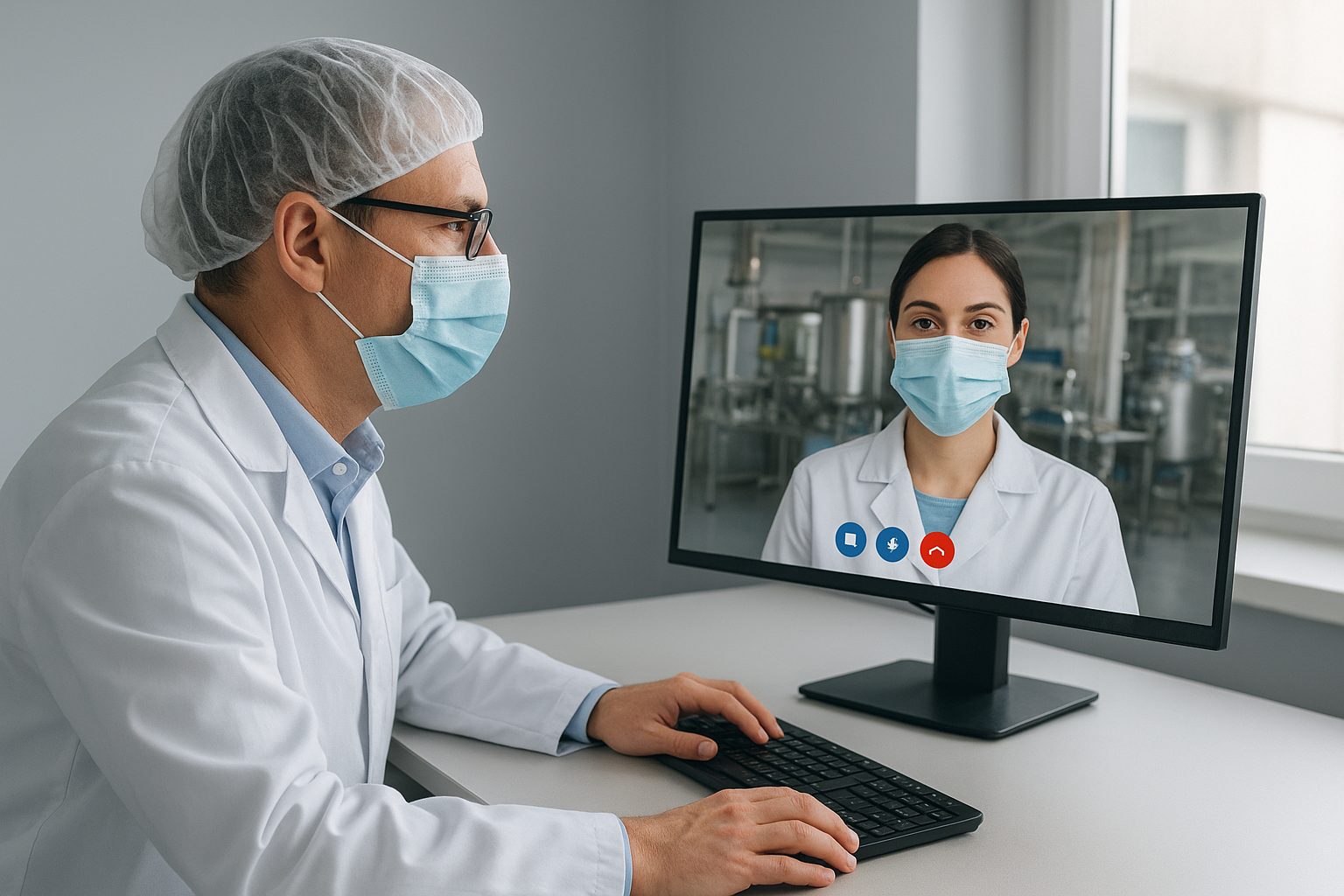
Remote Interactive Evaluations became the FDA’s primary alternative to on-site inspections during the pandemic’s peak. Unlike a simple document request, an RIE is a fully interactive audit conducted virtually. Using tools like Microsoft Teams or Zoom, investigators could interview key personnel, review standard operating procedures (SOPs) in real-time via screen sharing, and even conduct virtual tours of facilities using live-streaming video. This allowed the agency to maintain a degree of direct observational oversight that would otherwise have been lost. An RIE could cover many of the same areas as a traditional inspection, including production processes, quality control labs, and warehouse operations.
For manufacturers, preparing for an RIE required a new set of skills and technological readiness. Companies had to ensure they had stable, high-speed internet connections, high-definition cameras for virtual tours, and organized digital documentation that could be shared securely and efficiently. Personnel also needed training on how to effectively communicate and present information in a virtual setting. The success of an RIE hinged on the company’s ability to provide transparent, real-time access to its operations and records, proving its compliance posture without the investigator being physically present. The stakes remained just as high as in-person audits, with poor performance potentially leading to significant regulatory action.
Key Technologies Enabling Remote Inspections
The successful implementation of remote FDA inspections was heavily dependent on a suite of digital technologies. Secure cloud storage and document-sharing platforms became essential for providing investigators with access to vast amounts of information, from batch records to validation reports. These systems had to ensure data integrity and traceability, often incorporating features like audit trails and electronic signatures to comply with 21 CFR Part 11. Companies that had already embraced digital quality management systems (QMS) found themselves at a distinct advantage, as their records were already centralized, organized, and easily accessible.
Video conferencing and live-streaming technologies were equally critical. High-resolution cameras, including wearable devices like smart glasses, allowed investigators to get a close-up view of equipment, production lines, and laboratory procedures. This “telepresence” enabled a level of scrutiny that went far beyond static documents. Furthermore, these tools facilitated face-to-face interviews with subject matter experts, regardless of their physical location. The ability to effectively use this technology to demonstrate control over manufacturing processes became a key factor in navigating remote inspections successfully and avoiding common compliance pitfalls, which often mirror the Top 10 FDA 483 Observations of 2024—and How to Avoid Them in 2025 .
Benefits and Efficiencies of the Remote Model
The shift to remote inspections, born of necessity, revealed several unexpected benefits for both the FDA and the industry. For the agency, virtual audits eliminated travel time and costs, allowing investigators to conduct more inspections in a shorter period. This increased efficiency helped the FDA manage its workload and reduce inspection backlogs, particularly for overseas facilities that were difficult and expensive to visit. Remote inspections also offered greater flexibility in scheduling, making it easier to coordinate with global teams across different time zones.
For manufacturers, the remote model reduced the logistical burden and disruption associated with hosting an on-site inspection team for several days. Preparations could be more focused, and subject matter experts could participate from anywhere, without needing to travel to the facility. This streamlined process allowed companies to continue their operations with minimal interruption. Moreover, the emphasis on digital documentation pushed many organizations to accelerate their digital transformation initiatives, leading to more robust and efficient quality management systems that provide long-term benefits beyond just inspection readiness.
Challenges and Limitations of Virtual Oversight
Despite its advantages, the remote inspection model is not without its challenges and limitations. One of the primary concerns is the inability to fully replicate the sensory experience of an on-site audit. An investigator cannot physically touch a piece of equipment, observe subtle environmental cues, or engage in the informal conversations that can often reveal underlying compliance issues. This creates a potential for gaps in oversight, as some problems may only be visible in person. For example, issues like subtle odors, vibrations from machinery, or the general state of facility cleanliness are difficult to assess through a camera lens.
Technological hurdles also pose a significant challenge. Poor internet connectivity, low-quality video feeds, or cybersecurity vulnerabilities can disrupt the inspection process and compromise the integrity of the evaluation. Furthermore, there is a risk of what some call “virtual stage management,” where a company might only show the investigator what it wants them to see. Overcoming these limitations requires a high degree of trust and transparency, as well as sophisticated technology and robust procedures to ensure the remote evaluation is as thorough and effective as its in-person counterpart. Even minor issues can escalate, much like how a US FDA Issues Warning Letter to DeGrave Dairy for Illegal Drug Residue, for seemingly isolated violations.
The Hybrid Model: What to Expect in 2025
As the world has moved beyond the acute phase of the pandemic, the FDA has not abandoned remote inspections. Instead, the agency is embracing a hybrid model that combines the best of both virtual and on-site approaches. For 2025 and beyond, companies should expect the FDA to use a risk-based approach to determine the appropriate inspection format. Low-risk surveillance inspections, pre-approval assessments of well-established processes, or follow-ups on minor issues might be conducted remotely. In contrast, for-cause inspections, evaluations of complex manufacturing processes, or inspections of facilities with a history of compliance problems will likely remain on-site.
This hybrid approach allows the FDA to allocate its resources more effectively, focusing its on-site presence where it is most needed. For manufacturers, this means that inspection readiness now has two facets: preparing for the traditional on-site audit and maintaining the technological infrastructure for a seamless remote evaluation. The documentation and data that support a remote inspection are often the same ones reviewed on-site, reinforcing the need for a strong, well-organized QMS. Understanding how to manage both formats is now a fundamental aspect of modern regulatory compliance strategy.
Preparing Your Organization for the New Reality
To thrive in this new regulatory environment, organizations must proactively adapt their compliance strategies. A critical first step is to invest in robust digital infrastructure. This includes implementing or upgrading to an electronic Quality Management System (eQMS), ensuring secure data management practices, and acquiring the necessary hardware for high-quality video streaming. Conducting internal mock remote audits is an excellent way to test your systems and train your staff. These practice runs can help identify technological glitches, refine presentation skills, and ensure that all relevant personnel are comfortable and proficient with the virtual inspection format.
In remote settings, your team must maintain accurate, complete, and accessible digital records as your primary evidence of compliance. Train your staff to clearly explain processes and present data on camera to demonstrate control to FDA investigators.This level of preparation is key to avoiding common citations, such as those detailed in the Most Common FDA 483 Observations for Dietary Supplement Manufacturers (With Real Examples).
Ultimately, the goal is to demonstrate a culture of quality that transcends the inspection format. Whether an investigator is on-site or thousands of miles away, your commitment to compliance should be evident. A proactive approach not only prepares you for any type of FDA audit but also strengthens your overall quality systems, leading to better products and enhanced patient safety. If issues do arise, knowing How to Respond to an FDA Warning Letter: A Complete Guide for Manufacturers becomes a critical part of your compliance toolkit, ensuring you can navigate regulatory challenges effectively.
Conclusion
The COVID-19 pandemic served as an unexpected and powerful catalyst for change, forcing the FDA to reimagine its approach to regulatory oversight. The rapid adoption of remote and virtual tools has created a more flexible, efficient, and technology-driven inspection model that is here to stay. While remote inspections offer significant benefits, they also present unique challenges that require organizations to enhance their digital capabilities and refine their compliance strategies. As we look to 2025, the future of FDA inspections is undeniably hybrid, blending the focused efficiency of remote evaluations with the irreplaceable depth of on-site audits. For manufacturers, success in this new era depends on embracing this change, investing in technology, and fostering a culture of quality that is evident both in-person and on-screen.
Frequently Asked Questions (FAQs)
What is a Remote Interactive Evaluation (RIE)?
An RIE is a virtual inspection conducted by the FDA using teleconferencing technology to review documents, interview staff, and visually assess facilities remotely.
Are remote inspections replacing on-site FDA inspections?
No, remote inspections are not replacing on-site visits. The FDA is using a hybrid model, where remote tools supplement traditional inspections based on risk and specific circumstances.
What is the legal basis for the FDA to conduct remote inspections?
The FDA primarily relies on Section 704(a)(4) of the FD&C Act, which gives the agency the authority to request and review records in advance of or in lieu of a physical inspection.
How can my company prepare for a remote FDA inspection?
Focus on strengthening your digital infrastructure, ensuring your documents are well-organized and accessible electronically, and training your staff to effectively communicate and present information using video conferencing tools.
What are the main challenges of a remote inspection?
The primary challenges include potential technology failures (e.g., poor internet connection), the inability of investigators to physically observe the facility environment, and the risk of cybersecurity issues with data sharing.
Can the FDA issue a Form 483 based on a remote inspection?
Yes, the FDA can and does issue Form 483s based on findings from Remote Interactive Evaluations if investigators observe objectionable conditions or practices.
Will the hybrid inspection model continue in 2025?
All indications suggest that the FDA will continue to use its hybrid model of remote and on-site inspections as a permanent part of its regulatory toolkit.
References
U.S. Food & Drug Administration: COVID-19 and Beyond: Oversight and Innovation
World Health Organization (WHO): Good Distribution Practices for Pharmaceutical Products
Code of Federal Regulations: Title 21 Part 11 – Electronic Records; Electronic Signatures
International Council for Harmonisation (ICH): ICH Q9: Quality Risk Management
Parenteral Drug Association (PDA): Insights on the Future of FDA Inspections