
MONTHLY RECALL SUMMARY – August 2026: Contamination Hazards, Market Withdrawals, and Classification Metrics
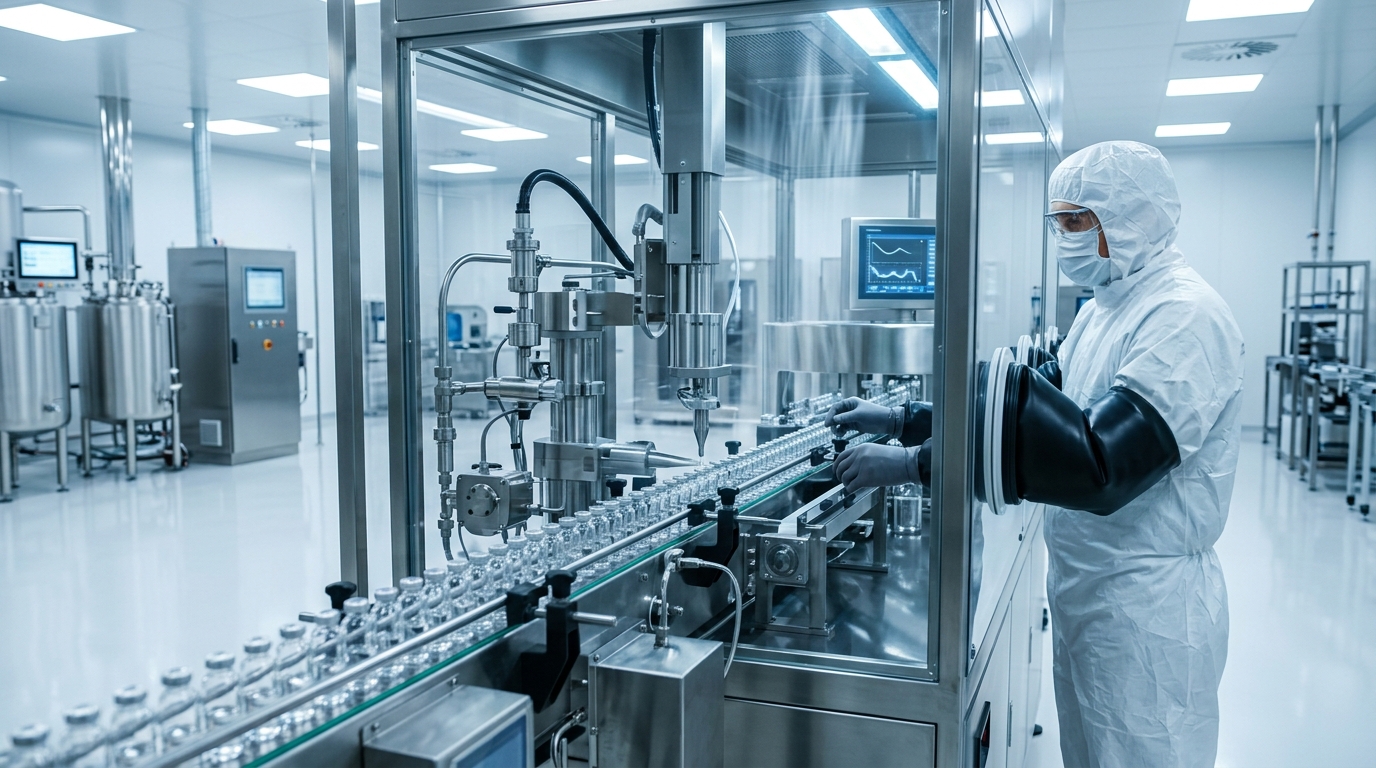
Regulatory enforcement actions and commercial safety interventions increased markedly during August 2026. This comprehensive Monthly Recall Summary evaluates 54 distinct market withdrawals and corporate recalls monitored by the FDA across drug, biologics, dietary supplement, and medical technology sectors. The agency’s enforcement data highlights an aggressive operational focus on uncontained microbiological contamination, undeclared food and supplement allergens, and finished product potency failures.
When a distributed medical product or dietary supplement violates safety thresholds, manufacturers must execute rapid market withdrawals under 21 CFR Part 7. Significantly, our analysis shows that 18 of the 54 tracked events (33.3%) escalated to Class I status, representing serious public health hazards. Furthermore, firms that delay voluntary market corrections face expedited seizure actions, federal injunctions, and public warning announcements. This Monthly Recall Summary delivers the exact metrics, statutory classifications, and risk-mitigation frameworks necessary to protect your enterprise.
================================================================================
           AUGUST 2026 PRODUCT RECALLS BY HAZARD TRIGGER (N = 54)
================================================================================
 [22 Recalls | 40.7%]  ███████████████████ Microbial Contamination & Sterility
 [15 Recalls | 27.8%]  █████████████       Undeclared Allergens / Cross-Contact
 [10 Recalls | 18.5%]  █████████           Potency Failures (Sub/Superpotency)
 [ 7 Recalls | 13.0%]  ██████              Foreign Particulate Contamination
================================================================================
 SEVERITY SPLIT: 18 Class I (33.3%) | 29 Class II (53.7%) | 7 Class III (13.0%)
================================================================================
What Were the Primary Triggers for Recalls in August 2026?
A granular review of the 54 market actions in August 2026 demonstrates that manufacturing process failures and supply chain gaps drove the majority of product withdrawals. Field audits repeatedly uncovered contaminated sterile boundaries, packaging mix-ups, and unvalidated production parameters.
1. Microbial Contamination and Sterility Failures – 22 Recalls (40.7%)
Microbial excursions represented the largest single hazard category in August. Specifically, recalls affected sterile injectables, ophthalmic ointments, and oral liquid suspensions. Regulators noted 14 instances where manufacturers detected objectionable organisms—such as Burkholderia cepacia complex and Ralstonia pickettii—during post-distribution retention sample testing. Because these products entered commercial channels without adequate sterility assurance, the FDA classified these removals under Class I and Class II designations. For biological manufacturing facilities, review our technical brief on FDA Pre-Approval Inspections (PAIs) for Biologics: Common Readiness Gaps.
2. Undeclared Allergens and Packaging Line Mix-Ups – 15 Recalls (27.8%)
Labeling and packaging failures triggered 15 separate recall operations across dietary supplements and medical foods. Auditors discovered that packaging lines failed to clear previous container stock properly during product changeovers. Consequently, operators packaged allergen-containing capsules into bottles lacking required soy, milk, or tree nut disclosures. Because undeclared major allergens present life-threatening anaphylactic risks, the FDA designated 11 of these 15 incidents as Class I emergencies. Learn How FDA Investigators Review Batch Records During Drug Inspections to identify documentation oversights.
3. Finished Product Potency Deviations – 10 Recalls (18.5%)
Ten lots failed finished product assay testing during routine commercial shelf-life stability studies. Unvalidated dry powder blending processes caused active pharmaceutical ingredient (API) stratification. As a result, commercial batches exhibited both subpotency and superpotency across different bottle fills. Learn How FDA Uses AI and Data Analytics During Modern Inspections to discover how automated tools pinpoint out-of-specification trends across distributed lots.
                    PRODUCT RECALL ESCALATION PATHWAY
  ┌──────────────────┐     ┌──────────────────┐     ┌────────────────────────┐
  │ Deviation Flag   │ ──> │ Superficial Root │ ──> │ Commercial Batch       │
  │ (OOS / Bioburden)│     │ Cause Triage     │     │ Release & Distribution │
  └──────────────────┘     └──────────────────┘     └────────────────────────┘
                                    │
                                    ▼
                       [POST-MARKET COMPLAINT / OOS]
                                    │
                      ┌─────────────┴─────────────┐
                      ▼                           ▼
            [VOLUNTARY RECALL]          [MANDATED WITHDRAWAL]
            Class II / III action       Class I public safety alert
            21 CFR Part 7 filing        Warning letter & media alert
How Did Foreign Particulates and Medical Device Defects Impact Totals?
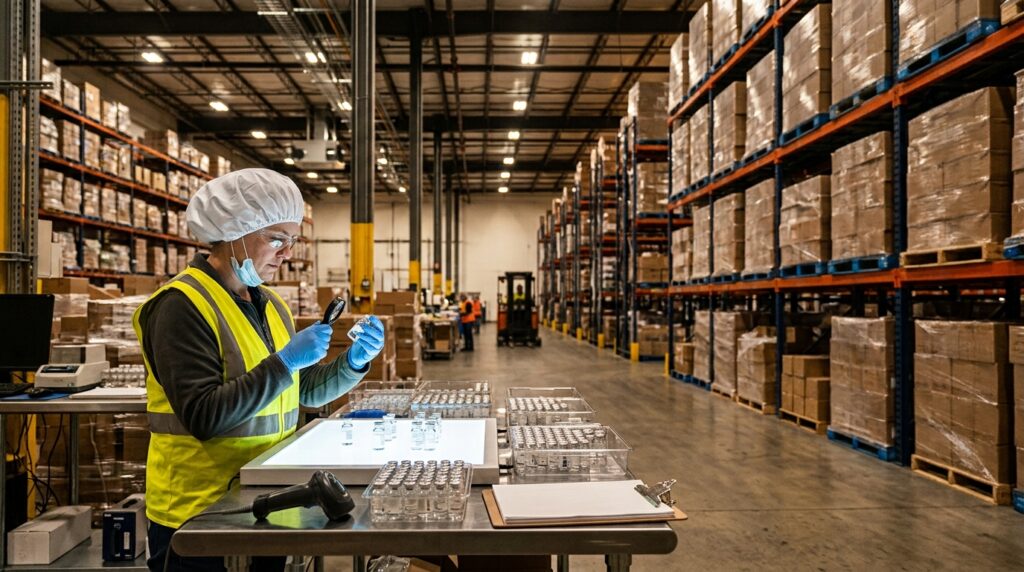
Foreign particulate matter and medical device software anomalies accounted for the remaining 12 recall events in August 2026.
Foreign Particulate Adulteration – 7 Recalls (13.0%)
Particulate contamination triggered seven recalls across parenterals and reconstituted antibiotic solutions. Laboratory testing identified stainless steel wear particles, glass delamination flakes, and silicone elastomer fragments inside sealed liquid vials. In four cases, investigators traced the particles directly to unlubricated filling pumps and degraded vial stopper handling machinery. Under 21 CFR 211.94, drug containers and closures must remain free of reactive or additive hazards that alter product safety.
Medical Device Field Safety Corrections
Although pharmaceutical and supplement products dominated raw counts, medical technology faced critical interventions. Five device recalls addressed battery management firmware defects and infusion pump flow rate drift. In two instances, manufacturers issued urgent medical device corrections after firmware bugs caused infusion systems to deliver medication boluses unexpectedly. Regulators closely scrutinized whether firms maintained complete Design History Files (DHF) and conducted robust software regression testing under 21 CFR Part 820.
| Classification Level | Hazard Severity Definition | Total Actions | Percentage | Regulatory Action Required |
| Class I | High probability of serious adverse health events or death | 18 | 33.3% | Immediate public warning, consignee quarantine, 100% reconciliation |
| Class II | Temporary or medically reversible adverse health consequences | 29 | 53.7% | Direct customer notification, warehouse stock recovery, CAPA initiation |
| Class III | Low probability of causing adverse health consequences | 7 | 13.0% | Wholesale distribution halt, labeling correction, batch documentation update |
Key Insights: Commercial Repercussions for Life Sciences Leadership
Industry Perspective and Commercial Risk
The empirical trends documented in this Monthly Recall Summary demonstrate that market recalls carry devastating financial consequences. When the FDA publishes an enforcement notification, distributors, pharmacy benefit managers, and hospital buying groups freeze purchase agreements instantly. For Contract Development and Manufacturing Organizations (CDMOs), a single client product recall frequently leads to contract termination, indemnification claims, and protracted litigation.
Operational Bottlenecks and Root Cause Failures
Modern manufacturers face major supply chain vulnerabilities due to lean manufacturing models. Operating with minimal safety stock forces facilities to compress quality control testing cycles. Furthermore, companies frequently outsource active ingredients and packaging supplies to unvetted overseas suppliers. When a supplier substitutes excipients or alters chemical synthesis pathways without notification, finished batches fail commercial stability, triggering catastrophic market withdrawals.
                 CHALLENGE                                        IMPACT                                          SOLUTION
┌──────────────────────────────────────────┐    ┌──────────────────────────────────────────┐    ┌──────────────────────────────────────────┐
│ Ineffective Line Clearance Procedures    │───>│ Label Mix-ups & Undeclared Allergens     │───>│ Automated Optical Machine Vision Barcodes│
└──────────────────────────────────────────┘    └──────────────────────────────────────────┘    └──────────────────────────────────────────┘
┌──────────────────────────────────────────┐    ┌──────────────────────────────────────────┐    ┌──────────────────────────────────────────┐
│ Unmonitored Microbial Bioburden          │───>│ Cleanroom Excursions & Contaminated Lots │───>│ Validated Sanitization & Daily TOC Logs │
└──────────────────────────────────────────┘    └──────────────────────────────────────────┘    └──────────────────────────────────────────┘
┌──────────────────────────────────────────┐    ┌──────────────────────────────────────────┐    ┌──────────────────────────────────────────┐
│ Compressed Release Testing Schedules     │───>│ Premature Commercial Product Releases    │───>│ Independent Quality Unit Hold Controls   │
└──────────────────────────────────────────┘    └──────────────────────────────────────────┘    └──────────────────────────────────────────┘
Cost, Timeline, and Compliance Realities
The financial differential between proactive quality governance and reactive recall management is severe:
- Proactive Readiness: Maintaining validated line clearance protocols, executing continuous environmental monitoring, and running periodic mock recalls require modest, predictable capital investments.
- Emergency Recall Execution: Coordinating a nationwide Class I recall routinely costs between $1,500,000 and $5,000,000 in reverse logistics, destruction fees, customer reimbursements, specialized legal defense, and independent audit oversight.
If your organization sources international active ingredients or finished formulations, evaluate your supplier verification posture with When Do You Need an FSVP Consultant? 10 Warning Signs Your Program Isn’t Inspection-Ready and streamline international vendor compliance using FDA FSVP Inspection: What Importers Should Expect and How to Prepare.
Five-Step Strategic Framework for Recall Prevention and Execution
To protect your facility from the systemic compliance breakdowns identified in this Monthly Recall Summary, implement this five-stage operational framework:
  [1. LINE AUDIT]  ──>  [2. BIOBURDEN TEST] ──>  [3. CAPA REVISION]
                                                         │
  [5. MOCK RECALL] <──  [4. VENDOR AUDIT]   <────────────┘
- Automate Packaging Line Clearances: First, install machine-vision barcode scanners on all packaging and labeling lines. Automating verification prevents undeclared allergen label mix-ups completely.
- Audit Aseptic Bioburden Controls: Next, review cleanroom environmental monitoring trends across all ISO 5 and ISO 7 spaces. Ensure that any out-of-specification microbial recovery triggers immediate root cause investigations.
- Strengthen Deviation Investigation Rigor: In addition, eliminate generic “operator error” conclusions from manufacturing investigation files. Deploy multi-disciplinary engineering teams to evaluate mechanical and procedural root causes.
- Enforce Inbound Supplier Verification: Furthermore, discontinue accepting vendor Certificates of Analysis without laboratory verification. Conduct rigorous identity, purity, and particulate testing on every received excipient and component lot.
- Execute Annual Mock Recalls: Finally, challenge your logistics and quality teams with unannounced mock recall exercises. Verify that your inventory management systems can account for 100% of distributed units within four hours.
Conclusion
The regulatory intelligence compiled in this Monthly Recall Summary highlights a definitive operational truth: the FDA acts swiftly to eliminate public health risks caused by manufacturing negligence. Superficial investigations, uncontrolled microbial growth, and unverified supplier components inevitably lead to market removals and public enforcement. By automating packaging controls, executing robust environmental monitoring, and testing recall readiness, you protect public health, preserve brand reputation, and ensure continuous cGMP compliance.
Frequently Asked Questions (FAQs)
1. How many total recalls are examined in this Monthly Recall Summary?
This report evaluates 54 official commercial product recalls and market withdrawals monitored by the FDA during August 2026.
2. What was the most frequent root cause of product recalls in August 2026?
Microbial contamination and sterility assurance compromises formed the largest category, accounting for 40.7% of all recorded recall actions.
3. What constitutes a Class I recall under FDA regulations?
A Class I recall involves situations where there is a reasonable probability that the use of, or exposure to, a violative product will cause serious adverse health consequences or death.
4. How quickly must a manufacturer initiate recall communications?
Under 21 CFR Part 7, a firm must begin notifying wholesale consignees and commercial accounts immediately upon discovering that distributed lots present significant public health hazards.
5. Why are undeclared allergens cited as Class I emergencies?
Undeclared allergens, such as milk, soy, and peanuts, present severe risks of life-threatening systemic anaphylaxis in sensitized individuals, prompting urgent agency intervention.
6. What is the operational value of conducting an annual mock recall?
A mock recall verifies that a company’s ERP traceability systems can accurately identify, locate, and reconcile 100% of a distributed production lot within regulatory timeframes.
Primary Regulatory References
- eCFR Title 21: Part 7 — Enforcement Policy and Recalls — Federal statutory regulations governing voluntary recalls, mandatory recall authorities, consignee notifications, and strategy definitions.
- FDA Recalls, Market Withdrawals, & Safety Alerts Database — Official regulatory portal providing real-time data on public recalls, classifications, and safety alerts.
- eCFR Title 21: Part 211 — Current Good Manufacturing Practice for Finished Pharmaceuticals — Statutory federal regulations governing sterile production, deviation investigations, and container integrity.
- FDA Regulatory Procedures Manual Chapter 7: Recall Procedures — Standard operating procedures and policy guidelines utilized by agency coordinators during recall monitoring.
- FDA Guidance for Industry: Initiation of Voluntary Recalls Under 21 CFR Part 7, Subpart C — Regulatory guidance outlining industry best practices for timely recall initiation and supply chain notifications.
Secure Your Manufacturing Operations With FDAInspections
Do not wait for a distributed quality defect or uncontained microbial excursion to force an emergency product recall, market withdrawal, or regulatory warning letter. The financial and reputational cost of a Class I recall far exceeds the investment in proactive compliance defense.
Collaborate directly with former FDA recall coordinators and senior regulatory compliance specialists at FDAInspections.com to safeguard your operations:
- Inspection Readiness Review: A focused evaluation of your quality management systems, deviation investigations, and contamination controls.
- Virtual Mock Inspection: A full simulation of an FDA audit to test your quality unit, batch records, and front-line staff readiness.
- Mock Recall Planning & Execution Services: Rigorous testing of your warehouse quarantine protocols, reconciliation speed, and consignee communication workflows.
- Warning Letter Defense: Rapid, authoritative technical response drafting and CAPA remediation strategy within the statutory 15-day window.