
MONTHLY FDA-483 SUMMARY – August 2026: Critical Inspection Citations, Root Cause Gaps, and Facility Trends

FDA investigators maintained an aggressive operational tempo throughout August 2026. Specifically, our analysis in this Monthly FDA-483 Summary captures 142 discrete inspectional observations documented across 38 domestic and international facility audits. The enforcement data indicates that field investigators focused directly on systemic quality governance. Regulators identified chronic weaknesses in deviation investigations, digital audit trail controls, cleanroom physical maintenance, and out-of-specification test handling.
A Form 483 notifies facility leadership of conditions that violate Current Good Manufacturing Practice (cGMP) regulations. When an investigator issues citations, the firm must provide an evidence-backed written response within 15 business days. Furthermore, unaddressed or superficial responses quickly escalate into Warning Letters or product seizures. Therefore, this Monthly FDA-483 Summary provides the exact data counts, statutory patterns, and remediation strategies required to defend your manufacturing site against regulatory action.
================================================================================
          AUGUST 2026 FORM 483 CITATIONS BY REGULATORY CODE (N = 142)
================================================================================
 [48 Citations | 33.8%]  ███████████████████ 21 CFR 211.192 (CAPA & Deviations)
 [34 Citations | 23.9%]  █████████████        21 CFR 211.68 / Part 11 (Data Integrity)
 [28 Citations | 19.7%]  ███████████          21 CFR 211.42 (Facility & Cleanroom)
 [19 Citations | 13.4%]  ███████              21 CFR 211.160 (Laboratory Controls)
 [13 Citations |  9.2%]  █████                21 CFR 211.100 (Written SOP Execution)
================================================================================
 TOTAL INSPECTIONS AUDITED: 38 Facilities  |  AVERAGE CITATIONS PER SITE: 3.74
================================================================================
What Were the Top Inspection Citations in the August 2026 Data?
The 142 observations recorded in August 2026 show that investigators concentrated heavily on execution failures. Instead of penalizing simple formatting errors, auditors targeted operational negligence across five core regulatory sections.
Take decisive action before an investigator arrives at your facility. Schedule our $495 Inspection Readiness Review to assess your quality management gaps. In addition, you can book a $1,250 Virtual Mock Inspection to test your team’s audit defense capabilities with experienced regulatory specialists.
1. Inadequate Root Cause Investigations (21 CFR 211.192) – 48 Citations (33.8%)
Citations under 21 CFR 211.192 represented the largest share of inspection findings. Investigators cited 48 instances where facilities failed to conduct thorough root cause analyses following batch discrepancies. For example, 22 manufacturing sites blamed deviations on generic operator error without evaluating underlying procedural clarity or machine performance. As a result, the agency rejected these investigations as unscientific. Review How FDA Investigators Review Batch Records During Drug Inspections to identify documentation gaps before an audit.
2. Compromised Data Integrity and Electronic Records (21 CFR 211.68 & Part 11) – 34 Citations (23.9%)
Data integrity violations formed the second largest category, totaling 34 citations. Field teams cited 19 laboratories for maintaining shared administrative accounts on High-Performance Liquid Chromatography (HPLC) platforms. Furthermore, auditors identified disabled audit trails, deleted testing sequences, and unrecorded trial injections. Learn How FDA Uses AI and Data Analytics During Modern Inspections to understand how automated agency surveillance detects testing anomalies.
3. Facility Maintenance and Environmental Controls (21 CFR 211.42) – 28 Citations (19.7%)
Physical facility maintenance comprised 28 citations across sterile and non-sterile sites. Investigators documented unmonitored differential pressure reversals between ISO 7 preparation corridors and ISO 5 filling zones. Moreover, inspectors noted damaged cleanroom coving, peeling epoxy coatings, and rust around dynamic pass-through airlocks. For sterile fill-finish operations, consult FDA Pre-Approval Inspections (PAIs) for Biologics: Common Readiness Gaps.
                    DATA INTEGRITY REMEDIATION WORKFLOW
  ┌──────────────────┐     ┌──────────────────┐     ┌────────────────────────┐
  │ Analytical Run   │ ──> │ Automated Audit  │ ──> │ Mandatory Quality Unit │
  │ Execution (HPLC) │     │ Trail Generation │     │ Verification & Signoff │
  └──────────────────┘     └──────────────────┘     └────────────────────────┘
                                    │
                                    ▼
                          [ANOMALY IDENTIFIED?]
                                    │
                      ┌─────────────┴─────────────┐
                      ▼                           ▼
                   [YES]                        [NO]
         Formal OOS Investigation      Batch Release Approval
How Did Laboratory Controls and Written Procedures Fail Audit Scrutiny?
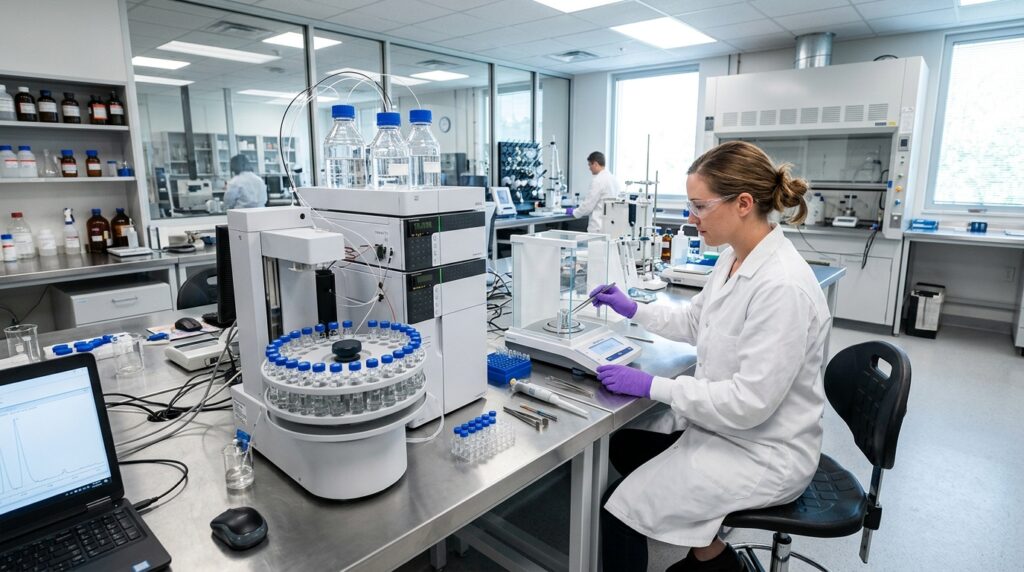
Beyond CAPA and cleanroom maintenance, laboratory controls and Standard Operating Procedure (SOP) execution accounted for 32 combined citations in August 2026.
Laboratory Controls and Out-of-Specification Handling (21 CFR 211.160) – 19 Citations (13.4%)
Field officers cited 19 analytical laboratories for inadequate testing standards. Specifically, analysts repeatedly tested samples into compliance without opening formal Out-of-Specification (OOS) investigations. When analytical runs failed, technicians invalidated results based on unsupported assumptions of instrument contamination. Consequently, regulators treated these unvalidated repeats as deliberate efforts to mask batch failures.
Failure to Follow Written Procedures (21 CFR 211.100) – 13 Citations (9.2%)
Investigators documented 13 separate instances where operators bypassed established manufacturing instructions. For instance, staff adjusted blending durations, altered liquid filling speeds, and changed holding periods without obtaining written Quality Unit authorization. These unauthorized operational deviations compromise batch uniformity and undermine validated processes.
| Regulatory Code | Core Citation Finding | Total Count | Percentage | Mandatory Corrective Control |
| 21 CFR 211.192 | Incomplete deviation investigations | 48 | 33.8% | Structured 5-Why root cause methodology |
| 21 CFR 211.68 | Inadequate computer system controls | 34 | 23.9% | Locked admin roles and daily audit trail reviews |
| 21 CFR 211.42 | Poor cleanroom facility design/upkeep | 28 | 19.7% | Differential pressure alarms and resurfacing |
| 21 CFR 211.160 | Unscientific testing and OOS handling | 19 | 13.4% | Validated methods and strict re-test SOPs |
| 21 CFR 211.100 | Deviations from written procedures | 13 | 9.2% | QA floor oversight and change control logging |
Key Insights: Strategic Implications for Life Sciences Executives
Industry Perspective and Commercial Exposure
The metrics compiled in this Monthly FDA-483 Summary demonstrate that FDA investigators actively cross-examine documentation against physical practices. For Contract Development and Manufacturing Organizations (CDMOs), receiving an observation-laden Form 483 threatens ongoing commercial viability. Pharmaceutical sponsors regularly audit their CDMO partners and will pause technology transfers if an inspection reveals uncontrolled data integrity or contamination risks.
Operational Bottlenecks and Resource Realities
Quality departments frequently face heavy operational constraints. Lean operational staffing forces quality units to prioritize daily batch disposition over thorough deviation management. Consequently, minor equipment non-conformances sit in backlogs for months. When an unannounced audit occurs, investigators review these lingering records, identify chronic overdue CAPAs, and issue extensive 483 citations.
                 CHALLENGE                                        IMPACT                                          SOLUTION
┌──────────────────────────────────────────┐    ┌──────────────────────────────────────────┐    ┌──────────────────────────────────────────┐
│ Understaffed Investigation Teams         │───>│ Overdue Deviation and CAPA Backlogs      │───>│ Dedicated Technical Strike Teams         │
└──────────────────────────────────────────┘    └──────────────────────────────────────────┘    └──────────────────────────────────────────┘
┌──────────────────────────────────────────┐    ┌──────────────────────────────────────────┐    ┌──────────────────────────────────────────┐
│ Legacy Chromatography Systems            │───>│ Shared Accounts and Data Integrity Gaps  │───>│ Software Upgrades and Restricted Access  │
└──────────────────────────────────────────┘    └──────────────────────────────────────────┘    └──────────────────────────────────────────┘
┌──────────────────────────────────────────┐    ┌──────────────────────────────────────────┐    ┌──────────────────────────────────────────┐
│ Tight Commercial Delivery Timelines      │───>│ Bypassed Equipment Maintenance Schedules │───>│ Scheduled Maintenance Downtime Windows   │
└──────────────────────────────────────────┘    └──────────────────────────────────────────┘    └──────────────────────────────────────────┘
Cost, Timeline, and Compliance Realities
The financial difference between proactive compliance and reactive remediation is immense:
- Proactive Readiness: Conducting annual mock inspections, validating computer systems, and running structured deviation triage programs requires modest operational expenditure while protecting enterprise value.
- Emergency Remediation: Responding to an escalated Form 483 or resulting Warning Letter requires retaining emergency crisis teams, legal counsel, and third-party auditors, easily costing hundreds of thousands of dollars.
If your company imports active ingredients or finished medical products, evaluate your foreign supply chain with When Do You Need an FSVP Consultant? 10 Warning Signs Your Program Isn’t Inspection-Ready and streamline documentation with FDA FSVP Inspection: What Importers Should Expect and How to Prepare.
Five-Step Remediation Framework for Inspection Readiness
To defend your facility against the citations detailed in this Monthly FDA-483 Summary, apply this structured five-step remediation roadmap:
  [1. MOCK AUDIT]  ──>  [2. PART 11 AUDIT] ──>  [3. CAPA TRIAGE]
                                                        │
  [5. WAR ROOM]    <──  [4. HVAC CONTROLS] <────────────┘
- Execute Rigorous Mock Audits: First, retain independent compliance specialists to conduct unannounced facility inspections. These mock audits expose hidden documentation gaps before the agency arrives.
- Lock Down Digital Systems: Next, audit every laboratory analytical software system. Eliminate shared administrative logins, enforce unique credentials, and mandate regular Quality Unit audit trail reviews.
- Triage Deviation Backlogs: In addition, establish a dedicated engineering strike team to close lingering CAPAs. Ensure every investigation includes scientific root cause analysis and statistical effectiveness checks.
- Verify Cleanroom Integrity: Furthermore, inspect cleanroom surfaces, verify differential pressure alarms, and perform dynamic airflow smoke pattern studies in all aseptic filling areas.
- Train Front-Line Personnel: Finally, prepare your technical personnel for investigator interviews. Train staff to answer questions factually without offering unverified speculation.
Conclusion
The data in our Monthly FDA-483 Summary for August 2026 confirms that regulatory scrutiny remains intense. The FDA expects companies to execute thorough investigations, maintain pristine digital audit trails, and maintain reliable cleanroom infrastructure. By addressing recurring deviation backlogs, updating computerized systems, and fortifying cleanroom controls, you safeguard public health, protect your manufacturing license, and maintain continuous inspection readiness.
Frequently Asked Questions (FAQs)
1. What is the total citation count in the August 2026 Monthly FDA-483 Summary? This review analyzed 142 discrete Form 483 citations issued across 38 manufacturing audits conducted during August 2026.
2. What was the most frequently cited violation in August 2026? Inadequate deviation and root cause investigations under 21 CFR 211.192 formed the leading category, representing 33.8% of all recorded citations.
3. What is the legal significance of receiving an FDA Form 483? A Form 483 lists observational conditions noted by investigators during an audit. It does not represent a final agency determination, but failing to respond effectively can lead to a Warning Letter.
4. How many days does a site have to respond to Form 483 observations? A facility has exactly 15 business days following the close of an inspection to submit a formal written response outlining corrective actions and providing objective evidence.
5. Why are shared laboratory logins a critical data integrity violation? Shared credentials violate 21 CFR Part 11 because they prevent the attribution of actions to specific individuals, rendering all electronic analytical data legally unreliable.
6. How do mock inspections reduce regulatory enforcement risk? Mock inspections simulate real-world FDA audits, identifying procedural, environmental, and documentation weaknesses so quality teams can correct them proactively.
Primary Regulatory References
- FDA Form 483 Frequently Asked Questions — Official regulatory definitions, procedural handling, and submission guidance for inspectional observations.
- eCFR Title 21: Part 211 — Current Good Manufacturing Practice for Finished Pharmaceuticals — The statutory federal regulation governing production, process controls, laboratory testing, facility engineering, and deviation investigations.
- FDA Data Integrity and Compliance With Drug CGMP Guidance for Industry — Comprehensive FDA guidelines defining ALCOA+ data integrity, electronic audit trails, and computerized system validation.
- FDA Inspections, Compliance, Enforcement, and Criminal Investigations Portal — Primary source database for public Form 483 inspection citations, Warning Letters, and corporate enforcement metrics.
- eCFR Title 21: Part 11 — Electronic Records; Electronic Signatures — Regulatory criteria under which the FDA considers electronic records, audit trails, and digital signatures equivalent to paper records.
Protect Your Facility With FDAInspections
Do not wait for an unannounced FDA inspection to expose systemic gaps in your deviation investigations, laboratory audit trails, or cleanroom controls. The operational cost of an escalated Form 483 or Warning Letter far exceeds the investment in proactive quality readiness.
Collaborate directly with former FDA investigators and senior regulatory compliance specialists at FDAInspections.com to safeguard your manufacturing operations:
- Inspection Readiness Review: A focused, rapid assessment of your current QMS posture, open deviations, and high-risk regulatory gaps.
- Virtual Mock Inspection: A comprehensive simulation of an FDA audit to test your document retrieval speed and staff interview readiness.
- 483 Review and Response Services: Rapid, authoritative technical response drafting and CAPA remediation strategy within the mandatory 15-day window.