
MONTHLY FDA INSPECTION REVIEW – AUGUST 2026: Dietary Top 21 CFR Part 111 Violations

FDA investigators are conducting stringent audits of dietary supplement packaging, blending, and distribution facilities nationwide. Specifically, our analysis of the Dietary Supplement FDA Inspection data from August 2026 highlights aggressive regulatory action against foundational quality system failures. Regulatory officers continue to target companies that rely on vendor Certificates of Analysis (COAs) without establishing scientific specifications. Consequently, these operational shortcuts trigger immediate Form 483 observations and rapid Warning Letter escalations.
Brand owners often assume that contract manufacturing organizations (CMOs) bear sole legal responsibility for Current Good Manufacturing Practice (cGMP) execution. However, the FDA strictly enforces the principle that product distributors maintain ultimate regulatory accountability for product safety and label claims. Therefore, preparing for a Dietary Supplement FDA Inspection requires complete oversight of component verification, Master Manufacturing Records (MMRs), batch production documentation, and consumer complaint handling.
          AUGUST 2026 TOP 21 CFR PART 111 AUDIT FINDINGS
  ┌───────────────────────────────────────────────────────────────────────────┐
  │ Finished Product Specifications (21 CFR 111.70 / 111.75)   [████████] 36% │
  │ 100% Component Identity Testing Failures                   [██████]   28% │
  │ Incomplete Master Manufacturing Records (21 CFR 111.210)   [████]     20% │
  │ Failure to Establish Written SOPs & Quality Unit Controls  [██]       16% │
  └───────────────────────────────────────────────────────────────────────────┘
What Are the Leading Specification and Testing Failures Under 21 CFR 111.70?
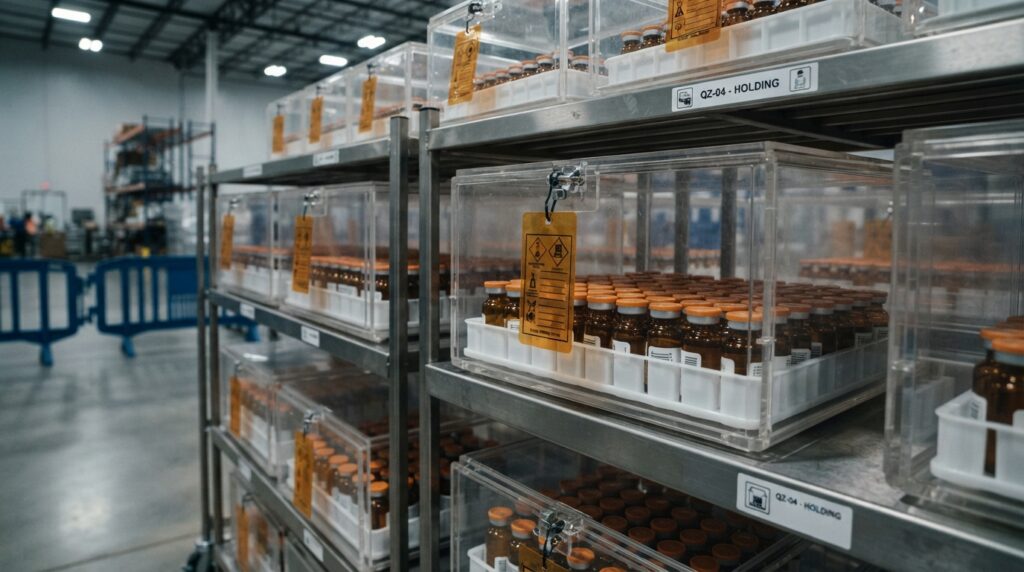
A significant proportion of citations during an audit stem from inadequate product specifications. Under 21 CFR 111.70, manufacturers must establish explicit criteria for identity, purity, strength, and composition. Furthermore, facilities must set rigorous limits on biological and chemical contaminants.
Take immediate action before field investigators examine your warehouse. Schedule our Inspection Readiness Review to assess your quality management gaps. Alternatively, secure a Virtual Mock Inspection to evaluate your analytical testing protocols with experienced regulatory specialists.
Bypassing 100% Identity Testing on Inbound Components
Under 21 CFR 111.75(a)(1)(i), companies must conduct at least one appropriate test to verify the identity of every component lot received. Nevertheless, field officers frequently discover brand owners relying entirely on raw material supplier COAs without performing independent laboratory verification. The FDA explicitly prohibits relying on vendor paperwork for raw dietary ingredients unless an approved exemption exists. As a result, skipping identity testing remains an immediate trigger for regulatory escalation.
Relying on Non-Specific Analytical Methods
Additionally, investigators scrutinize the scientific validity of laboratory testing methods. For instance, using generic non-specific chemical assays fails to distinguish active botanical compounds from synthetic adulterants. Therefore, your Quality Unit must utilize validated chromatographic methods such as High-Performance Thin-Layer Chromatography (HPTLC) or HPLC. Learn How FDA Investigators Review Batch Records During Drug Inspections to align your laboratory documentation with current agency expectations.
How Do Inadequate Master Manufacturing Records (MMRs) Trigger Form 483 Citations?
Master Manufacturing Records serve as the definitive blueprint for dietary supplement production. During a modern Dietary Supplement FDA Inspection, investigators cross-reference batch production records directly against your registered MMRs to confirm absolute formulation consistency.
                    DIETARY INGREDIENT RELEASE WORKFLOW
  ┌─────────────────┐     ┌──────────────────┐     ┌────────────────────────┐
  │ Raw Botanical   │ ──> │ Mandatory 100%   │ ──> │ Independent QA Review  │
  │ Lot Arrival     │     │ Identity Assay   │     │ & Quarantine Release   │
  └─────────────────┘     └──────────────────┘     └────────────────────────┘
                                   │
                                   ▼
                       [SPECIFICATION CONFIRMED?]
                                   │
                     ┌─────────────┴─────────────┐
                     ▼                           ▼
                  [YES]                        [NO]
        Release to Production           Reject / Return to Vendor
Omission of Critical Process Controls and Tolerances
Under 21 CFR 111.210, an MMR must state specific manufacturing steps, equipment controls, and mixing parameters. However, investigators frequently cite firms for vague instructions that leave blend times, machine speeds, or temperatures to operator discretion. Without rigid production parameters, batch-to-batch uniformity cannot be verified scientifically.
Incomplete Yield Calculations and Material Reconciliations
Similarly, batch manufacturing records must document actual material additions and theoretical yield calculations. If an operator adds extra excipients to compensate for machine binding without documenting a deviation, the batch record becomes non-compliant. Review How FDA Uses AI and Data Analytics During Modern Inspections to understand how automated agency surveillance identifies manufacturing discrepancies across production history.
Why Are Brand Owners Held Accountable for Contract Manufacturer cGMP Violations?

A common compliance misconception among private-label distributors is that outsourcing manufacturing transfers regulatory risk entirely to the third party. However, federal enforcement actions confirm that brand owners introduce products into interstate commerce under their own names, maintaining non-delegable legal responsibility.
| Regulatory Area | Primary Citation Trigger | Mandatory cGMP Governance |
| Vendor Qualification | Unaudited contract packaging and blending facilities | On-site technical audits and formal supplier qualification files |
| Quality Agreements | Absence of defined batch release responsibilities | Bilateral agreements outlining QA change-control authority |
| Finished Batch Release | Commercial distribution without internal QA review | Direct review of MMRs and analytical release testing logs |
| Product Complaints | Uninvestigated consumer adverse event reports | Written SOPs for logging, investigating, and 15-day MedWatch reporting |
If your brand develops hybrid products bridging dietary supplements and functional ingredients, consult our technical brief on FDA Pre-Approval Inspections (PAIs) for Biologics: Common Readiness Gaps.
Industry Insights: Strategic Analysis for Supplement Brands, CMOs, and Executives
Business Impact and Commercial Ramifications
The regulatory climate surrounding a modern Dietary Supplement FDA Inspection carries significant enterprise risk. When the FDA issues an escalated Warning Letter, it uploads the document to a public enforcement database. Consequently, major online retailers, pharmacy chains, and international distributors often delist flagged product lines immediately. For CMOs, an unaddressed Form 483 halts customer acquisition and compromises ongoing contract manufacturing agreements.
Operational Challenges and Complex Supply Chains
Modern supplement brands frequently source exotic botanical extracts and minerals across complex international supply chains. Consequently, verifying ingredient purity requires sophisticated supply-chain governance. In addition, rapid market demand often strains production capacity, leading to backlogs in deviation reviews and stability testing.
                 CHALLENGE                                        IMPACT                                          SOLUTION
┌──────────────────────────────────────────┐    ┌──────────────────────────────────────────┐    ┌──────────────────────────────────────────┐
│ Unverified International Raw Materials   │───>│ Contamination & Identity Test Failures   │───>│ Rigorous Supplier Audit & HPTLC Testing  │
└──────────────────────────────────────────┘    └──────────────────────────────────────────┘    └──────────────────────────────────────────┘
┌──────────────────────────────────────────┐    ┌──────────────────────────────────────────┐    ┌──────────────────────────────────────────┐
│ Lack of CMO Quality Unit Oversight       │───>│ Uncontrolled Production Deviations       │───>│ Comprehensive Quality Agreements & Audits│
└──────────────────────────────────────────┘    └──────────────────────────────────────────┘    └──────────────────────────────────────────┘
┌──────────────────────────────────────────┐    ┌──────────────────────────────────────────┐    ┌──────────────────────────────────────────┐
│ Inadequate Complaint Investigation SOPs  │───>│ Unreported Serious Adverse Events (SAER) │───>│ Formalized 15-Day MedWatch Escalation    │
└──────────────────────────────────────────┘    └──────────────────────────────────────────┘    └──────────────────────────────────────────┘
Cost and Timeline Implications
The financial disparity between proactive audit readiness and reactive enforcement defense is substantial:
- Proactive Compliance: Conducting supplier qualification audits, establishing validated analytical testing methods, and maintaining mock inspections require predictable operational capital.
- Reactive Remediation: Responding to Warning Letters, executing national product recalls, and hiring emergency crisis consultants cost hundreds of thousands of dollars in direct expenses and lost revenue.
If your company imports dietary ingredients or finished products from overseas suppliers, evaluate your import controls with When Do You Need an FSVP Consultant? 10 Warning Signs Your Program Isn’t Inspection-Ready and streamline your documentation using our guide on FDA FSVP Inspection: What Importers Should Expect and How to Prepare.
Proactive Inspection Readiness Roadmap
To defend your operations during an unannounced regulatory audit, implement this five-stage compliance framework:
  [1. VENDOR AUDIT] ──> [2. 100% ID TESTING] ──> [3. MMR REVISION]
                                                        │
  [5. WAR ROOM]     <── [4. COMPLAINT SOPs]   <─────────┘
- Audit Contract Manufacturers: First, conduct thorough on-site audits of your contract blenders and packagers. Verify that their physical facility controls align with 21 CFR Part 111.
- Enforce Inbound Identity Testing: Next, implement mandatory analytical identity testing for every inbound raw ingredient lot. Discontinue releasing components based solely on unverified supplier COAs.
- Standardize Master Manufacturing Records: In addition, audit all active MMRs. Ensure that records contain precise operational tolerances, equipment specifications, and detailed yield reconciliations.
- Formalize Serious Adverse Event Procedures: Furthermore, establish written procedures for logging customer complaints. Ensure your team investigates quality issues and reports serious adverse events within 15 business days.
- Train Key Audit Personnel: Finally, prepare your front-line personnel for investigator interactions. Train subject matter experts to retrieve requested batch documentation quickly and accurately.
Conclusion
The regulatory intelligence from August 2026 reinforces that the FDA expects strict adherence to 21 CFR Part 111 standards. Investigators will not accept unverified supplier claims, informal quality agreements, or missing batch records. Therefore, both brand owners and contract manufacturers must maintain continuous audit readiness. By implementing validated testing protocols, establishing robust MMRs, and qualifying suppliers, you protect your brand reputation, ensure consumer safety, and maintain full compliance during any regulatory audit.
Frequently Asked Questions (FAQs)
1. What is the most common violation cited during a Dietary Supplement FDA Inspection?
The most frequent citation is the failure to establish finished product specifications for identity, purity, strength, and composition under 21 CFR 111.70, followed by the failure to perform 100% identity testing on incoming components.
2. Can a dietary supplement brand owner rely entirely on a contract manufacturer’s quality unit?
No. The FDA holds brand owners legally responsible for ensuring that finished supplements meet all cGMP requirements under 21 CFR Part 111, regardless of who manufactures the product.
3. What constitutes valid component identity testing under 21 CFR 111.75?
Valid identity testing requires at least one appropriate, scientifically valid test—such as HPTLC, FTIR, or HPLC—conducted on incoming raw ingredient lots prior to manufacturing use.
4. How quickly must a dietary supplement firm report a serious adverse event to the FDA?
Firms must submit a formal Serious Adverse Event Report (SAER) via MedWatch Form FDA 3500A within 15 business days of receiving notice of an event associated with their product.
5. What is the deadline to respond to a Form 483 received during an audit?
Facilities must submit a comprehensive, evidence-backed written response within 15 business days from the close of the inspection to prevent regulatory escalation to a Warning Letter.
6. Why is a Certificate of Analysis (COA) insufficient for incoming component identity?
Under 21 CFR 111.75(a)(1)(i), manufacturers cannot rely on a supplier’s COA to establish component identity; independent, laboratory-verified identity testing is legally mandatory for all raw dietary ingredients.
Primary Regulatory References
- eCFR Title 21: Part 111 — Current Good Manufacturing Practice in Manufacturing, Packaging, Labeling, or Holding Operations for Dietary Supplements — The statutory federal regulation governing production, quality control, packaging, and holding of dietary supplements.
- FDA Dietary Supplement Current Good Manufacturing Practices (CGMPs) and Interim Final Rule — Official FDA guidance detailing regulatory expectations for component testing, MMRs, and quality control systems.
- FDA Guidance for Industry: Substantiating Dietary Supplement Label Claims — Comprehensive regulatory guidelines for substantiating nutritional, structure/function, and purity claims.
- FDA Inspections, Compliance, Enforcement, and Criminal Investigations Portal — Primary source database for public Form 483 inspection citations, Warning Letters, and supplement enforcement actions.
- eCFR Title 21: Part 11 — Electronic Records; Electronic Signatures — Federal standards for maintaining electronic batch records, laboratory data integrity, and automated signature systems.
Protect Your Supplement Brand With FDAInspections
Do not wait for an unannounced FDA inspection to uncover non-conformance in your contract manufacturing network, testing protocols, or Master Manufacturing Records. A regulatory Warning Letter or import detention can paralyze your distribution pipeline and permanently damage brand equity.
Partner with former FDA investigators and senior dietary supplement compliance specialists at FDAInspections.com to audit and secure your quality operations:
- Inspection Readiness Review: A targeted, high-impact assessment of your current 21 CFR Part 111 compliance posture, vendor testing records, and quality agreements.
- Virtual Mock Inspection: A full simulation of an FDA audit to test your quality unit, batch record retrieval speed, and staff interview readiness.
- Warning Letter Defense Services: Rapid technical response drafting, root-cause investigation, and corrective action remediation within the statutory 15-day window.
Contact our regulatory defense team today to safeguard your supplement operations before your next regulatory audit.