
FDA Foreign Inspections Are Increasing Again: What Global Manufacturers Should Expect
The Resurgence of Cross-Border Regulatory Enforcement
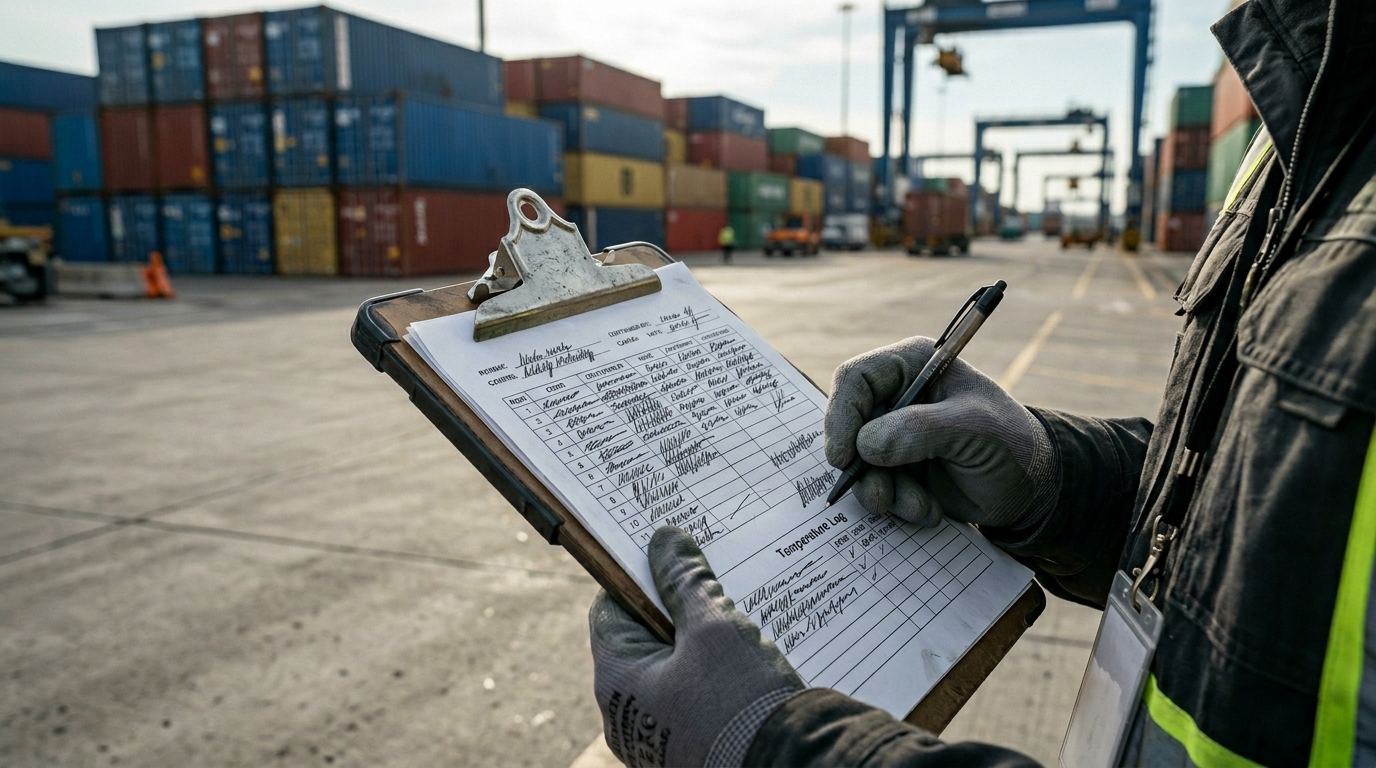
The global life sciences supply chain is currently navigating a period of rapid structural modernization. For several operational cycles, cross-border facility assessments experienced significant logistical constraints due to international travel restrictions. However, the regulatory environment has transitioned back to maximum enforcement intensity. Consequently, managing the unique operational complexities of FDA foreign inspections has emerged as a top corporate priority for international medical technology sponsors, pharmaceutical developers, and ingredient suppliers. The agency has systematically accelerated its overseas deployment schedules to secure the integrity of materials entering American markets.
This operational surge stems from a centralized determination to enforce identical current Good Manufacturing Practice (cGMP) standards globally. Field investigators now deploy across international hubs backed by localized foreign offices and specialized translation resources. Furthermore, international processing sites can no longer rely on extensive advanced notification windows. Instead, the agency is actively implementing unannounced tracking blocks to capture real-time facility conditions accurately. This comprehensive guide details the critical operational trends defining modern FDA foreign inspections, delivering the structural blueprints your quality assurance unit needs to guarantee regulatory continuity.
FDA Inspection Trends in 2026: Biologics, AI, Foreign Facilities, and Remote Assessments
The Shift Toward Short-Notice and Unannounced Field Visits
Historically, international manufacturing facilities operated with a distinct logistical cushion. The agency typically provided weeks of advanced planning notice to coordinate investigator travel, visas, and facility access logs. However, under the current oversight matrix, the baseline strategy for executing FDA foreign inspections has shifted fundamentally. The agency now utilizes a streamlined short-notice or completely unannounced entry model across major manufacturing hubs like India, China, and the European Union.
This sudden change removes the historic “window of preparation” that facilities used to clean up processing spaces and organize documents retrospectively. Investigators want to see your facility operating in its true everyday state. Therefore, your front-room hosting teams, back-room runners, and facility operators must live in a state of continuous readiness. If an investigator arrives at your facility gate and experiences administrative delays or restricted entry logs, the agency will flag the interaction as a structural refusal. This can trigger immediate Import Alerts that block your shipments completely.
- ゲートプロトコル (Gate Protocols): Front-line security personnel must possess pre-approved validation checklists to verify investigator credentials instantly.
- Rapid Room Activation: Your document staging networks must transition from standard operations to active audit hosting within two hours of arrival.
- Contemporaneous Readiness: All facility floor personnel must follow written cleanroom standard operating procedures (SOPs) flawlessly every single shift.
The FDA Inspection Lifecycle: From Form 482 to Warning Letter
Forensic Data Integrity Interventions in Foreign Laboratories
A major target area during cross-border site evaluations involves the forensic breakdown of your analytical testing ecosystems. Investigators frequently uncover severe tracking failures inside international quality control laboratories. They focus deeply on scanning electronic system audit trails, searching specifically for deleted chromatographic data points or unlogged sample trial runs executed before official testing.
Under the statutory parameters of 21 CFR Part 211, your laboratory software platforms must maintain permanent, unalterable system metadata histories. During active FDA foreign inspections, field teams will cross-reference your physical sample preparation logs directly against raw computer network timestamps. If an investigator uncovers an unrecorded product re-test or an unapproved modification of integration parameters, the scientific integrity of your batches falls apart completely. Therefore, investing in advanced automated access blocks and fully validated software configurations is the only mechanism available to defend your data.
How FDA Investigators Review Batch Records During Drug Inspections
Thought Leadership: Managing Cross-Border Compliance as a Core Business Driver
Industry Perspective & Expert Strategic Analysis
In the globalized life sciences market, managing the complexities of FDA foreign inspections serves as a direct indicator of corporate longevity. For international pharmaceutical sponsors, biotech innovators, and specialized contract manufacturing organizations (CDMOs), a facility’s compliance ranking determines its commercial viability. The business impact of an overseas audit failure is exceptionally severe, routinely leading to immediate application holds, terminal brand erosion, and devastating multi-million dollar asset write-downs. Therefore, true strategic value lies in abandoning reactive, seasonal audit clean-up habits to embed a permanent, risk-based “Quality Culture” across all international processing nodes.
Key Operational Challenges & Digital Opportunities
The dominant operational challenge across international manufacturing hubs involves the “Language and Culture Disconnect” during active investigator interviews. Translation errors can easily turn a minor processing detail into a critical Form 483 observation due to miscommunication. However, this organizational friction creates an incredible opportunity for the deployment of “Compliance Automation Systems.” By transitioning to cloud-native electronic quality platforms (eQMS) that feature dual-language translation interfaces, international facilities can present fully indexed validation data instantly. This advanced technical integration transforms a complex data handshake into a smooth, transparent display of your operational control.
Compliance Considerations for Global Decision-Makers
Senior executive leadership must recognize that the federal inspectorate views the domestic brand sponsor and the foreign manufacturing site as a single functional entity. During a technical facility check, investigators will review your formal quality agreements to evaluate sponsor oversight metrics forensically. If an international partner drops into an Official Action Indicated (OAI) status, your domestic drug application portfolio faces instant disruption. Consequently, compliance demands that both parties operate within a synchronized quality environment. You must maintain fully transparent communication paths and joint deviation tracking networks to protect your global supply chain integrity.
FDA Food Facility Inspections After FSMA: What Has Changed?
The Strict Verification of Raw Material Lineage
The integrity of incoming active pharmaceutical ingredients (APIs) and excipients remains a high-priority tracking metric during cross-border checks. Investigators executing FDA foreign inspections will select random raw material lot numbers directly from your staging bays and demand complete supply chain traceability documentation. The agency expects international manufacturers to prove that their chemical components are sourced from qualified, fully audited chemical facilities.
If your procurement team accepts materials from an international broker without conducting independent confirmatory testing, your facility is exposed to significant citation risks. Investigators use centralized database queries to match your material certificates of analysis (COAs) against known international counterfeit or contamination alerts. Therefore, maintaining a fully searchable database of supplier quality agreements, material safety sheets, and manufacturing site registrations is an absolute requirement for passing modern audits.
How FDA Inspects mRNA and Advanced Therapy Manufacturing Facilities
Surviving the Post-Inspection 15-Day Administrative Window
If investigators uncover cGMP non-conformances during their overseas visit, they will issue a formal Form 483 at the close-out meeting. For international facilities, receiving this document triggers a critical, time-sensitive administrative window. To prevent the observations from escalating into catastrophic Import Alerts or formal Warning Letters, your organization must submit a comprehensive written response within exactly 15 business days.
Your response must move far beyond surface-level fixes; it must target the systemic root cause behind every individual citation. For instance, if an investigator flags an unvalidated cleanroom pressure drop, your response cannot simply state that the gauge has been recalibrated. Instead, you must deliver a thorough root-cause evaluation, execute a global impact analysis across all historical batches, and implement a robust Corrective and Preventive Action (CAPA) plan. Furthermore, your response must be delivered in flawless, technically precise English, removing any ambiguity for center reviewers.
- Root-Cause Analysis: Avoid generic human error explanations; instead, isolate underlying mechanical, software, or system design failures.
- Global Impact Tracing: Deliver scientific proof demonstrating that a localized processing deviation did not compromise adjacent batches.
- CAPA Implementation: Provide clear empirical timelines showing when automated process modifications will be completed permanently.
How to Prepare Employees for FDA Investigator Interviews
Conclusion: Reclaiming Certainty Through Continuous Readiness
The complete revitalization of the FDA foreign inspections program demonstrates a permanent federal commitment to securing the global drug supply chain. The agency has successfully combined classic legal authority with modern forensic technology to build a highly uniform facility evaluation engine. For international manufacturing organizations, surviving this high-intensity cycle requires an absolute transformation of everyday corporate habits.
True operational resilience is achieved only when an organization treats compliance not as an administrative hurdle, but as a continuous feature of daily manufacturing culture. By automating your batch tracking tracks, validating your data networks under Part 11 parameters, and enforcing strict floor discipline across all shifts, your team can face short-notice audits with total confidence. Ultimately, embracing these rigorous global verification trends is the definitive mechanism for protecting your product pipeline, securing your brand equity, and safely delivering crucial health discoveries to patients worldwide.
Frequently Asked Questions (FAQs)
1. Why are FDA foreign inspections increasing again? The agency is actively clearing the backlog of overseas audits that accumulated during past travel constraints, while simultaneously intensifying checks to protect the globalized health supply chain from quality failures.
2. What happens if an international manufacturer refuses an unexpected FDA audit? Refusing or delaying an investigator’s entry into an overseas facility results in an immediate administrative shutdown, causing the agency to place the facility on an Import Alert and halt all pending product applications.
3. How long does a foreign site have to submit its response to a Form 483? Just like domestic facilities, international plants must deliver a highly comprehensive, science-based written response within exactly 15 business days of the close-out meeting to avoid a formal Warning Letter.
4. How does the agency handle translation issues during an international inspection? While facilities must provide qualified technical translators, investigators utilize automated text-mining and mobile translation platforms to review your localized SOPs and system logs forensically.
5. Can a negative audit score at an overseas API plant impact a domestic drug sponsor? Yes. The FDA views the supply chain as a single unit. If an international ingredient provider falls into an OAI standing, the domestic sponsor’s product approvals are paused instantly.
6. What is the Foreign Supplier Verification Program (FSVP) connection to these audits? The FSVP requires domestic importers to actively audit and prove that their international partners operate under the exact same cGMP standards required of domestic facilities.
References & Citations
- FDA ORA Investigations Operations Manual (IOM) Chapter 5 – International Protocols: FDA Official Portal – The foundational federal manual outlining the specific logistics, credentials, and legal parameters governing international facility checks.
- FDA Guidance for Industry – Planning and Executing cGMP Inspections Abroad: FDA Guidance Library – Official regulatory documentation detailing the agency’s strict expectations for short-notice entries and supply chain lineage tracking.
- 21 CFR Part 211 – Current Good Manufacturing Practice for Finished Pharmaceuticals: Government Publishing Office – The baseline statutory regulation used by international investigators to evaluate cleanroom parameters, batch record execution, and laboratory controls.
- ICH Q10 – Modernized Global Pharmaceutical Quality Systems: ICH Quality Guidelines – International consensus standards establishing the criteria for executive management reviews, data integrity validation, and vendor qualification metrics.
- ORA Global Inspection Classification and Import Alert Database Dashboard: FDA Data Portal – The public tracking repository displaying the real-time statistical distribution of NAI, VAI, and OAI scores across international sectors.
Secure Your Global Operations with Elite Compliance Solutions
Successfully managing the complexities of modern international manufacturing standards requires more than a basic checklist; it demands a deep, proactive understanding of evolving FDA foreign inspection protocols. We help you eliminate critical technical and documentation vulnerabilities across your international facility network by providing the advanced engineering expertise, electronic validation frameworks, and strategic oversight necessary to protect your commercial assets. Our comprehensive platform bridges the communication divide between domestic brand sponsors and international contract partners, converting complex federal regulations into transparent, actionable quality metrics. Whether you are validating a localized laboratory data network or preparing an overseas production facility for an unannounced site visit, you can find the strategic guidance and expert solutions required to drive business success right here. Join FDA inspection today to ensure your processing operations maintain an unblemished compliance score and your products reach the market with total regulatory confidence.