
Top 20 Reasons Companies Fail FDA Inspections
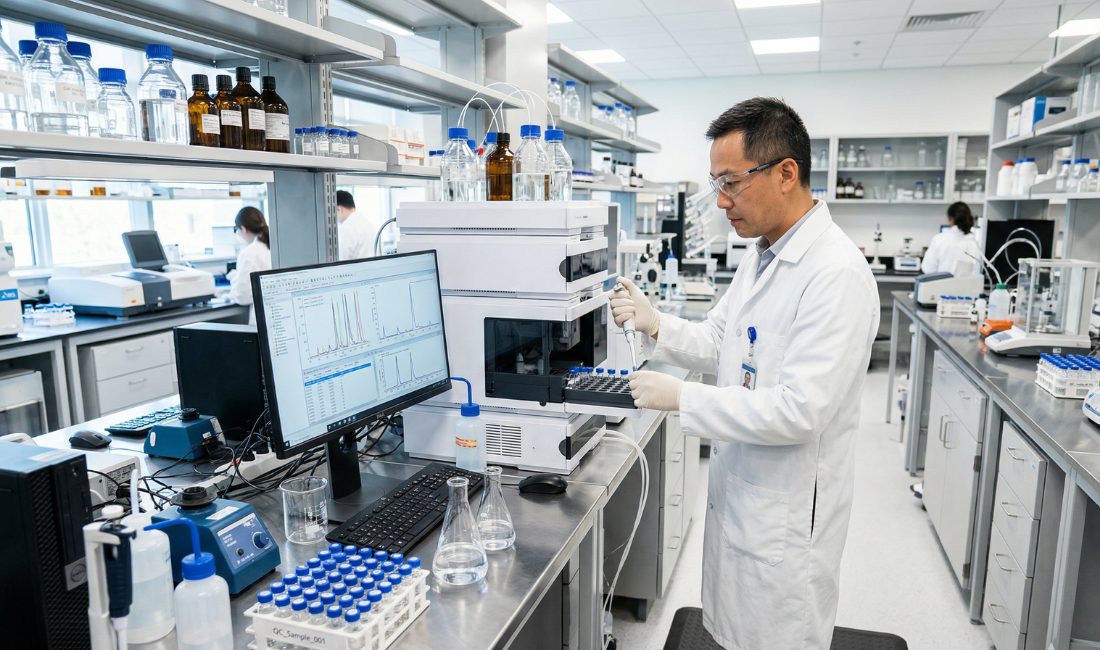
Navigating the Challenges of FDA Inspections
FDA inspections represent a critical juncture for any life sciences organization. Whether you manufacture pharmaceuticals, medical devices, or cosmetics, the arrival of an investigator from the Food and Drug Administration determines your operational future. These audits verify that your processes align with Current Good Manufacturing Practices (cGMP). Unfortunately, many firms enter these inspections underprepared, leading to documented deficiencies known as Form 483 observations.
A successful inspection requires more than just clean floors; it demands a culture of quality that permeates every level of the organization. From executive leadership to the shop floor, everyone must understand their role in maintaining compliance. When a company fails to meet these rigorous standards, the consequences range from minor administrative hurdles to severe legal actions, including consent decrees and product seizures. Understanding the common reasons for failure allows your team to bridge gaps before the “knock on the door” happens.
1. Fragmented Quality Management Systems (QMS)
A disjointed Quality Management System is a primary red flag during FDA inspections. Investigators look for a unified system that controls every phase of production. If your quality unit operates in silos or lacks oversight of manufacturing processes, the FDA will likely cite a lack of control. A robust QMS serves as the backbone of your compliance strategy, ensuring that every action is deliberate and documented.
To understand how investigators approach these systems, you should review our FDA Inspection Checklist: What Investigators Review During GMP Audits. Without a structured QMS, even high-quality products may fail an audit due to a lack of demonstrable control.
2. Inadequate Documentation and Data Integrity
The mantra of the FDA remains: “If it is not written down, it did not happen.” Many companies fail inspections because their records are incomplete, inconsistent, or not contemporaneous. Data integrity has become a massive focus for the agency, specifically the ALCOA+ principles. Any sign of “testing into compliance”—deleting failed results to show only passing ones—will lead to immediate and severe enforcement actions.
3. Failure to Investigate Deviations Properly
When a manufacturing process deviates from the norm, the FDA expects a deep-dive investigation. Many firms fail because their deviation reports are superficial. Simply stating “human error” as a root cause without implementing retraining or process changes is unacceptable. Investigators look for a clear link between the deviation, the investigation, and the subsequent corrective action.
4. Weak Corrective and Preventive Action (CAPA) Plans
A CAPA system should prevent the recurrence of problems. However, many companies treat CAPA as a “check-the-box” exercise. If an investigator sees the same issue appearing repeatedly in your logs, they will conclude that your CAPA system is ineffective. This lack of systemic improvement is one of the most cited issues in Warning Letters today.
5. Poor Facility Design and Maintenance
The physical environment must support clean and safe manufacturing. Peeling paint, evidence of leaks, or uncalibrated HVAC systems suggest a facility that is out of control. FDA investigators perform thorough walkthroughs to identify cross-contamination risks and ensure that the facility’s layout prevents mix-ups of materials or products.
6. Equipment Calibration and Validation Gaps
All equipment must be validated for its intended use and maintained on a strict calibration schedule. Failing to provide validation protocols or using equipment that has missed its scheduled maintenance is a common path to a Form 483. You must prove that your machines consistently produce the expected results under varying conditions.
7. Inadequate Employee Training Programs
Training records are often the first thing an investigator asks to see. If your staff cannot explain their specific tasks or if their training files are outdated, the FDA will question the competency of your entire workforce. Training must be ongoing and specific to the Current Good Manufacturing Practices (cGMP) relevant to the employee’s role.
For teams preparing for a first-time audit, our How to Prepare for an FDA Inspection: Complete GMP Readiness Guide provides a structured approach to staff readiness.
8. Lack of Management Responsibility
Compliance is not just the responsibility of the Quality Assurance department; it starts with executive leadership. The FDA expects senior management to provide the resources necessary for a functioning quality system. If management is disconnected from quality metrics or ignores red flags, investigators will cite a failure of management oversight under 21 CFR 820.20 or similar regulations.
9. Issues with Complaint Handling Systems
The FDA views customer complaints as early warning signs of product failure. If your company fails to investigate complaints or neglects to report adverse events within the required timelines, you are in direct violation of safety regulations. Your complaint handling must be integrated with your CAPA system to ensure product safety.
10. Non-Compliant Labeling and Packaging
Incorrect labeling is a leading cause of product recalls in the United States. Whether it is an incorrect expiration date, a missing allergen warning, or a typo in the dosage, the FDA treats these as significant risks to public health. Investigators will scrutinize your labeling reconciliation process to ensure no mix-ups occur.
Understanding the fallout of these errors is crucial. Learn more about What Happens After an FDA Inspection? Understanding the 483 and Warning Letter Process.
11. Unvalidated Computerized Systems
As industry 4.0 takes over, the FDA has increased its focus on software validation. Any software used to manage quality data or control manufacturing processes must be validated according to 21 CFR Part 11. Using “off-the-shelf” software without a proper Validation Master Plan (VMP) is a major compliance gap that investigators frequently identify.
12. Poor Change Control Management
Every change in a validated process, whether minor or major, must undergo a formal change control process. If you modify a piece of equipment or change a raw material supplier without documenting the impact on the final product, you risk failing your next inspection. The FDA expects a documented rationale for every change implemented in the facility.
13. Inadequate Laboratory Controls
The laboratory is often the most scrutinized area during an FDA inspection. Investigators look for proper storage of reagents, accurate calibration of analytical instruments, and strict adherence to testing protocols. Failing to investigate Out-of-Specification (OOS) results properly is a guaranteed way to receive a citation.
14. Weak Vendor and Supplier Oversight
Manufacturers are responsible for the quality of the raw materials they receive. If you do not perform regular audits of your suppliers or fail to maintain an Approved Supplier List (ASL), you are not in compliance. You cannot rely solely on a supplier’s Certificate of Analysis (CoA) without periodic verification.
15. Sterilization and Aseptic Processing Failures
For companies producing sterile injectables or biologics, sterilization is the most critical process. Investigators look for gaps in environmental monitoring, improper gowning techniques, and failures in media fills. These deficiencies are considered high-risk and often lead to immediate production halts.
To see how these issues manifest in specific industries, read Common Deficiencies Cited in FDA Cosmetic Inspections and How to Avoid Enforcement Actions.
16. Inadequate Risk Management
The FDA has moved toward a risk-based approach to inspections. They expect companies to use tools like FMEA (Failure Mode and Effects Analysis) to identify and mitigate risks throughout the product lifecycle. If your risk management files are thin or do not reflect actual manufacturing challenges, the investigator will note a lack of proactive quality control.
17. Cosmetic Compliance and MoCRA Gaps
With the Modernization of Cosmetics Regulation Act (MoCRA), cosmetic firms are now under a much tighter microscope. Many of these companies are failing because they are not used to the level of documentation the FDA now requires. For insights into these new requirements, see FDA Cosmetics Inspection: What the Draft Guidance on Records Access Means for Manufacturers.
18. Process Validation Failures
Companies must prove their manufacturing process consistently produces products meeting quality standards. This involves three stages: Process Design, Process Qualification, and Continued Process Verification. Firms that skip these stages or maintain weak validation reports face significant hurdles during Pre-Approval Inspections (PAIs).
19. Repeated Regulatory Violations
The quickest way to receive a Warning Letter is failing to fix an issue identified in a previous inspection. When an investigator returns, they immediately check your progress on past deficiencies. If you haven’t implemented the promised changes, the FDA views this as a “repeat violation,” which indicates systemic failure.
Ensure you know the right steps for remediation by reading How to Respond to an FDA Form 483 (Step-by-Step Guide).
20. Inadequate Stability Testing
The FDA requires manufacturers to prove that their products remain safe and effective until the expiration date. Failing to maintain a robust stability testing program or ignoring “out-of-trend” data in your stability logs is a common reason for inspection failure.
Conclusion: Achieving Audit Readiness
Failing an FDA inspection is not just an administrative error; it is a threat to your business continuity and reputation. By focusing on these 20 key areas, QA Directors and Regulatory managers can build a “constant state of readiness.” Compliance should not be an event that you prepare for once a year; it should be the standard by which you operate every day. A culture of transparency, thorough documentation, and proactive risk management is the only foolproof way to pass an FDA inspection.
Frequently Asked Questions (FAQs)
1. What is an FDA Form 483? An FDA Form 483 is a report issued at the end of an inspection when investigators observe conditions that violate federal requirements. It lists specific observations that the company must address.
2. How should a company prepare for a Pre-Approval Inspection (PAI)? Preparation involves ensuring the CMC (Chemistry, Manufacturing, and Controls) section of the application matches the actual processes on the floor and that all validation data is readily available.
3. What happens if a company ignores a Warning Letter? Ignoring a Warning Letter can lead to serious legal consequences, including product seizures, injunctions, and criminal prosecution of the company’s leadership.
4. How does the FDA prioritize which companies to inspect? The FDA uses a risk-based model, considering the complexity of the product, the compliance history of the facility, and whether the product is critical to public health.
5. What is the role of an “Internal Audit” in FDA readiness? Internal audits allow a company to identify and fix compliance gaps before a government inspector finds them. They are a critical component of a healthy QMS.
6. Can a remote assessment replace an on-site FDA inspection? While the FDA uses Remote Regulatory Assessments (RRAs) in some cases, they are usually a supplement to, rather than a total replacement for, on-site inspections for high-risk facilities.
References & External Citations
- FDA Inspectional Observations (Official Data): Review the official annual data on the most frequent citations issued by the agency. FDA.gov Inspection Observations
- Current Good Manufacturing Practices (cGMP): Access the full text of 21 CFR Part 211 governing pharmaceutical manufacturing. Electronic Code of Federal Regulations
- FDA Data Integrity Guidance: Detailed expectations for electronic records and signatures in a GMP environment. FDA.gov Guidance Documents
- Compliance Program Guidance Manuals: These manuals explain how FDA investigators are trained to conduct their audits. FDA Manuals
- Modernization of Cosmetics Regulation Act (MoCRA): Comprehensive requirements for the cosmetic industry updated for 2026. FDA.gov MoCRA Resource Center
Alternative Strategic Insight:
Regulatory leaders often uncover these hidden vulnerabilities by conducting a professional gap analysis. These simulations, led by former FDA investigators, ensure your team is prepared for high-stakes audits. To secure your facility against 483s and ensure long-term compliance, discover the benefits of expert FDA Inspection Readiness and Gap Analysis services at FDA Inspection.